
What is minimalism?
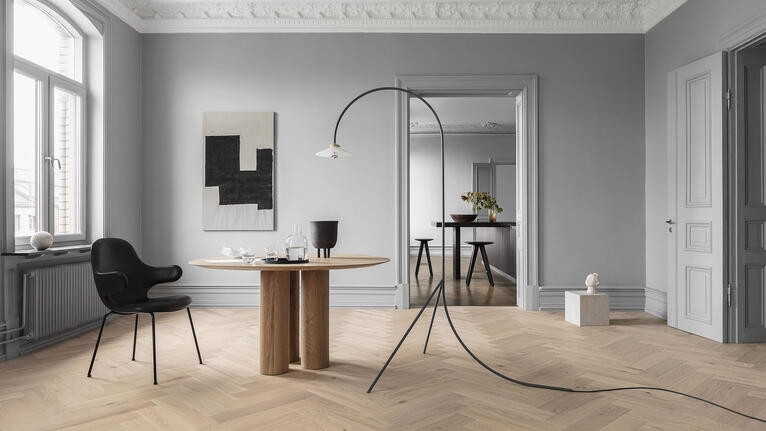
What Is Minimalism?
Minimalism is a philosophy and lifestyle approach centered on intentionally reducing excess and focusing on what truly adds value to life. At its core, minimalism is not about deprivation or living with as little as possible. Instead, it is about removing distractions—physical, mental, and emotional—so that more time, energy, and resources can be directed toward what matters most.
While often associated with clean, simple spaces and sparse aesthetics, minimalism extends far beyond design or material possessions. It is a mindset that can be applied to consumption habits, time management, relationships, work, digital life, and even thought patterns.
This article provides a comprehensive explanation of minimalism, its principles, benefits, applications, and common misconceptions.
The Core Idea Behind Minimalism
Minimalism is fundamentally about intentional living. It asks a simple but powerful question:
“Does this add value to my life?”
If the answer is no, minimalism encourages either removing it or reducing its importance.
This applies to:
-
Physical possessions
-
Commitments and obligations
-
Digital content and media consumption
-
Relationships and social interactions
-
Mental clutter and unnecessary worries
The goal is not emptiness, but clarity.
The Origins of Minimalism
Minimalism is not a modern invention. It has roots in multiple historical, cultural, and philosophical traditions.
Philosophical Roots
Ancient philosophies such as Stoicism and Buddhism emphasize detachment from excess and focus on inner peace over material accumulation.
-
Stoicism teaches control over desires and acceptance of what is essential
-
Buddhism encourages detachment from material craving and suffering caused by attachment
These ideas strongly align with modern minimalism.
Artistic and Design Movements
In the 20th century, minimalism emerged as an art movement emphasizing simplicity, geometric forms, and the removal of unnecessary elements. This later influenced architecture, interior design, and product design.
Modern minimalist design often features:
-
Clean lines
-
Neutral colors
-
Functional layouts
-
Absence of unnecessary decoration
Minimalism as a Lifestyle
Today, minimalism is widely recognized as a lifestyle choice rather than just an aesthetic preference.
Key Principle: Less but Better
Minimalism does not necessarily mean owning very few things. It means owning fewer, better-quality things that serve a purpose.
For example:
-
Instead of 10 rarely used kitchen tools, you keep 3 high-quality ones
-
Instead of a cluttered wardrobe, you build a versatile, functional collection
Physical Minimalism
Decluttering Physical Space
One of the most visible aspects of minimalism is reducing physical clutter.
Common practices include:
-
Removing unused items
-
Donating or selling excess belongings
-
Organizing remaining possessions efficiently
The goal is to create a living environment that feels open, calm, and functional.
Benefits of a Minimalist Space
A simplified environment can lead to:
-
Reduced stress
-
Easier cleaning and maintenance
-
Improved focus
-
Greater sense of control
Clutter often competes for attention, even when not actively used.
Digital Minimalism
In the modern world, digital clutter can be just as overwhelming as physical clutter.
What Is Digital Minimalism?
Digital minimalism involves intentionally managing technology use to reduce distractions and improve focus.
This includes:
-
Reducing social media usage
-
Unsubscribing from unnecessary emails
-
Organizing digital files
-
Limiting app usage
Why It Matters
Excessive digital consumption can lead to:
-
Reduced attention span
-
Increased stress
-
Constant distraction
-
Information overload
Digital minimalism helps restore control over attention.
Mental Minimalism
Minimalism also applies to thoughts and mental processes.
Reducing Mental Clutter
Mental minimalism involves:
-
Letting go of unnecessary worries
-
Avoiding overthinking
-
Focusing on one task at a time
A cluttered mind can be just as exhausting as a cluttered home.
Practices That Support Mental Minimalism
-
Journaling thoughts to clear mental space
-
Mindfulness and meditation
-
Prioritizing important decisions
-
Avoiding constant multitasking
The goal is clarity and focus.
Minimalism in Time Management
Time is one of the most limited resources, and minimalism can significantly improve how it is used.
Applying Minimalism to Time
-
Eliminating unnecessary commitments
-
Focusing on high-value tasks
-
Saying no to low-priority activities
This is sometimes called “essentialism” in productivity contexts.
Benefits
-
More free time
-
Reduced stress
-
Increased productivity
-
Better work-life balance
Financial Minimalism
Minimalism also influences how people handle money.
Core Idea
Spend intentionally on what matters and eliminate wasteful spending.
Practices
-
Avoid impulse purchases
-
Focus on long-term value over short-term gratification
-
Prioritize savings and financial independence
Financial minimalism does not mean avoiding spending entirely—it means spending with purpose.
Minimalism and Consumer Culture
Modern society encourages constant consumption. Advertising, social media, and trends often push people to acquire more than they need.
Minimalism challenges this by asking:
-
Do I actually need this?
-
Will this improve my life long-term?
-
Am I buying this out of habit or pressure?
It encourages resistance to unnecessary consumption.
The Psychological Benefits of Minimalism
Minimalism can have significant mental health benefits.
Reduced Stress
Fewer possessions and commitments often lead to less mental overload.
Improved Focus
With fewer distractions, attention can be directed toward meaningful tasks.
Greater Satisfaction
Minimalism encourages appreciation of what you already have rather than constant desire for more.
Common Misconceptions About Minimalism
1. Minimalism Means Owning Almost Nothing
False. Minimalism is about intentional ownership, not extreme deprivation.
2. Minimalism Is Only About Aesthetics
While minimalist design is popular, the philosophy extends far beyond appearance.
3. Minimalism Is Expensive
Although minimalism often encourages buying higher-quality items, it usually leads to reduced overall spending over time.
4. Minimalism Is a Strict Set of Rules
Minimalism is flexible. It adapts to individual needs and lifestyles.
Minimalism vs. Extreme Frugality
Minimalism is often confused with extreme frugality, but they are different.
-
Frugality focuses on spending as little money as possible
-
Minimalism focuses on intentional value and reducing excess
You can be frugal without being minimalist, and minimalist without being extremely frugal.
How to Start Practicing Minimalism
Step 1: Start Small
Begin with one area:
-
A drawer
-
A closet
-
A digital folder
Step 2: Ask Value-Based Questions
For each item or commitment, ask:
-
Do I use this?
-
Does it improve my life?
-
Would I buy it again today?
Step 3: Remove Gradually
Avoid overwhelming yourself. Small, consistent changes are more sustainable.
Step 4: Focus on Systems, Not One-Time Efforts
Minimalism is not a single cleanup event—it is an ongoing process.
Minimalism in Relationships
Minimalism can even extend to social life.
Key Idea
Focus on meaningful relationships rather than large social circles.
Benefits
-
Deeper connections
-
Less emotional exhaustion
-
More time for important people
Minimalism in Work and Career
In professional life, minimalism means focusing on what truly matters.
-
Prioritize high-impact tasks
-
Avoid unnecessary meetings
-
Reduce multitasking
-
Streamline workflows
This leads to better productivity and less burnout.
Challenges of Minimalism
While minimalism has many benefits, it also has challenges:
-
Emotional attachment to possessions
-
Social pressure to consume
-
Difficulty letting go of habits
-
Misunderstanding from others
Overcoming these requires patience and self-awareness.
The Long-Term Impact of Minimalism
When consistently applied, minimalism can lead to:
-
Greater financial freedom
-
Reduced stress and anxiety
-
More time for meaningful activities
-
Improved focus and productivity
-
A clearer sense of purpose
It is not just a lifestyle change—it is a shift in perspective.
Conclusion
Minimalism is a philosophy of intentional living that encourages individuals to focus on what truly matters by removing excess. It is not about living with as little as possible, but about living with purpose and clarity.
Whether applied to physical space, digital life, finances, time, or relationships, minimalism helps reduce distraction and increase fulfillment. It challenges the idea that more is always better and instead promotes the idea that better is better.
Ultimately, minimalism is not about less for the sake of less—it is about making room for more of what matters most.
- Arts
- Business
- Computers
- Juegos
- Health
- Home
- Kids and Teens
- Money
- News
- Personal Development
- Recreation
- Regional
- Reference
- Science
- Shopping
- Society
- Sports
- Бизнес
- Деньги
- Дом
- Досуг
- Здоровье
- Игры
- Искусство
- Источники информации
- Компьютеры
- Личное развитие
- Наука
- Новости и СМИ
- Общество
- Покупки
- Спорт
- Страны и регионы
- World

 English
 Russian
 French
 Portuguese
 Deutsch
 Turkish
 Dutch
Dutch
 Italiano
 Arabic
 Romaian
 Portuguese (Brazil)
 Greek
Greek
