
How do I organize my room efficiently?
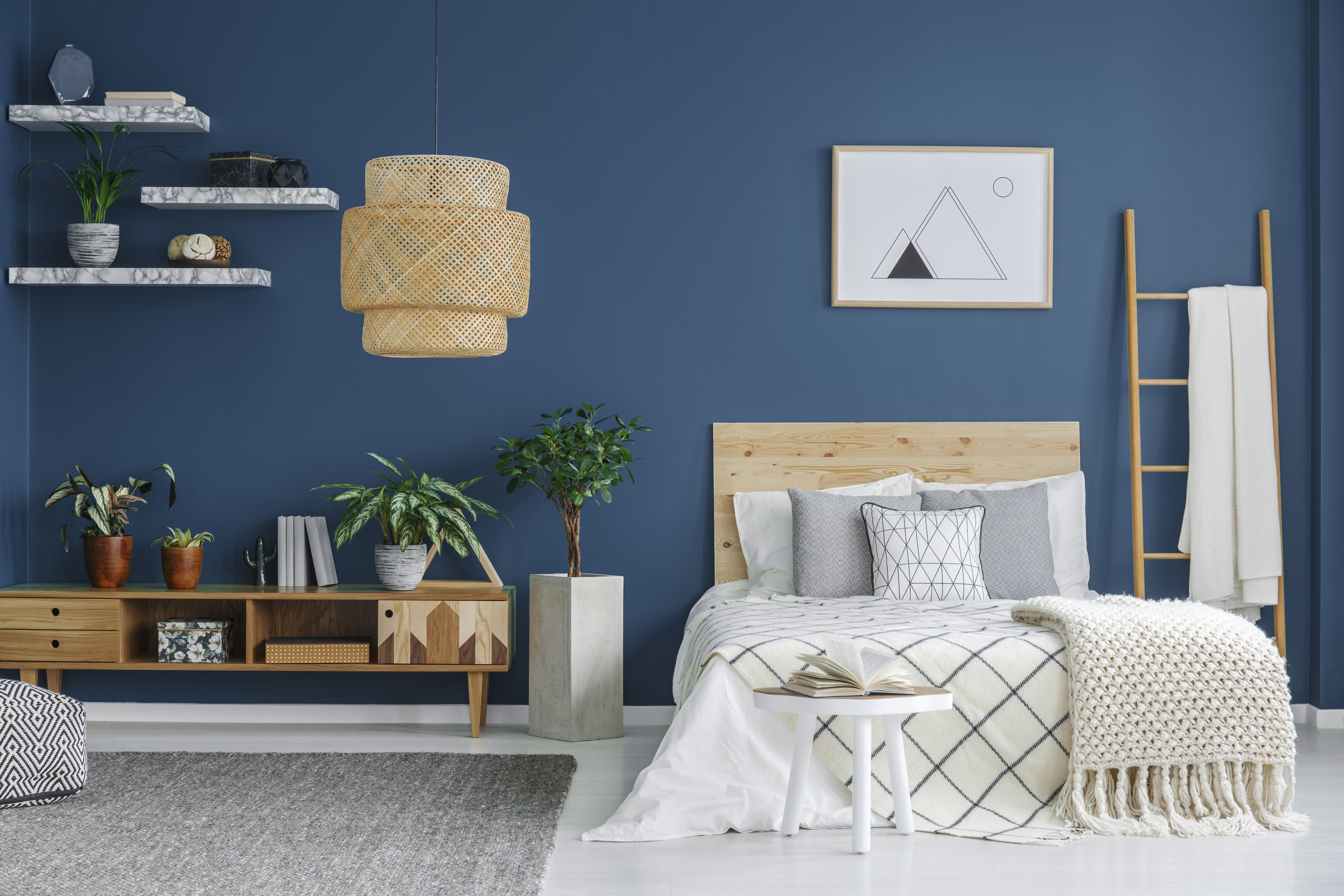
How Do I Organize My Room Efficiently?
Organizing your room efficiently is not just about making it look clean—it’s about designing a functional, stress-reducing environment that supports your daily routines. A well-organized room can improve productivity, reduce anxiety, and even save you time and money. The key is to approach organization systematically rather than randomly tidying things up. This guide breaks the process down into practical, repeatable steps so you can transform your space into something both efficient and sustainable.
1. Understand the Purpose of Your Room
Before you start moving things around, clarify what your room is supposed to do for you. Many people struggle with organization because their space is trying to serve too many conflicting purposes without clear boundaries.
Ask yourself:
-
Is your room primarily for sleeping, working, relaxing, or all three?
-
Do you need dedicated zones (e.g., desk, bed, storage, hobby area)?
-
What activities do you perform daily?
Once you define the room’s function, organizing becomes a matter of aligning everything to support those functions. For example, if productivity is important, your desk area should be distraction-free and easily accessible.
2. Declutter First — Always
Efficiency starts with elimination. You cannot organize clutter—you can only hide it. The first major step is to reduce the number of items you own.
Use the four-pile method:
-
Keep
-
Donate
-
Trash
-
Relocate
Be ruthless but rational. If you haven’t used something in the past 6–12 months and it has no clear future use, it’s likely just consuming space.
A useful mental model:
Every item in your room should justify the space it occupies.
Decluttering benefits:
-
Frees up physical space
-
Reduces visual noise
-
Makes cleaning faster
-
Simplifies organization systems
3. Categorize Everything You Own
Once you’ve decluttered, group similar items together. This is a critical but often skipped step.
Examples of categories:
-
Clothes (further divided into daily wear, formal, seasonal)
-
Electronics
-
Books
-
Personal care items
-
Documents
-
Hobby equipment
Why this matters:
-
You understand how much of each type you have
-
You can assign appropriate storage solutions
-
It prevents duplication and overbuying
Think of this like building a database—everything needs a logical classification before it can be stored efficiently.
4. Design Functional Zones
Divide your room into zones based on activities. This is how you turn a room into a system rather than a random collection of furniture.
Common zones:
-
Sleep zone (bed, nightstand)
-
Work/study zone (desk, chair, lighting)
-
Storage zone (closet, shelves)
-
Relaxation zone (chair, entertainment setup)
Each zone should contain only items relevant to its purpose. Avoid cross-contamination—for example, don’t let work materials pile up on your bed.
This separation:
-
Improves focus
-
Reduces clutter spread
-
Makes cleaning more intuitive
5. Optimize Storage (Think Vertical and Hidden)
Efficient organization relies heavily on how you use space, not just how much space you have.
Use Vertical Space
-
Shelves above desks or beds
-
Wall hooks for bags, jackets, or accessories
-
Tall bookcases instead of wide ones
Use Hidden Storage
-
Under-bed containers
-
Storage ottomans
-
Drawer organizers
Use Modular Storage
-
Stackable bins
-
Adjustable shelving
-
Dividers for drawers
The goal is to maximize usable volume, not just floor area.
6. Make Frequently Used Items Accessible
A common mistake is storing everything equally. In reality, accessibility should match frequency of use.
Use the “reach rule”:
-
Daily items → within arm’s reach
-
Weekly items → slightly less accessible
-
Rarely used items → high shelves or storage boxes
For example:
-
Keep your phone charger near your bed
-
Place everyday clothes at eye level
-
Store seasonal items (like winter jackets) out of the way
This reduces friction in your daily routine and keeps things from piling up.
7. Create a Logical System (Not Just Aesthetic)
A room that looks organized but lacks a system will fall apart quickly.
Each item should have:
-
A designated location
-
A clear return path
For example:
-
Keys → always in a tray near the door
-
Laundry → specific basket
-
Books → arranged by category or frequency
If you ever find yourself asking, “Where should this go?” your system needs improvement.
8. Use Containers Strategically
Containers are powerful tools—but only when used correctly.
Best practices:
-
Use transparent bins for visibility
-
Label everything (especially closed storage)
-
Avoid overfilling containers
Types of containers:
-
Drawer dividers for small items
-
Boxes for seasonal storage
-
Baskets for flexible, quick-access items
Avoid buying containers before decluttering—you need to know what you’re storing first.
9. Maintain Visual Simplicity
Visual clutter creates mental clutter. Even if your room is technically organized, too many visible items can feel overwhelming.
Tips:
-
Keep surfaces (desk, nightstand) mostly clear
-
Limit decorative items
-
Use consistent color schemes for storage
-
Hide cables and wires
A clean visual field:
-
Improves focus
-
Creates a sense of calm
-
Makes the room feel larger
10. Build Daily and Weekly Habits
Organization is not a one-time task—it’s a maintenance system.
Daily Habits (5–10 minutes)
-
Put items back in their place
-
Make your bed
-
Clear surfaces
Weekly Habits
-
Light cleaning (dusting, vacuuming)
-
Reorganize anything that drifted out of place
-
Empty trash and unnecessary items
Consistency prevents the need for major cleanups.
11. Avoid Common Mistakes
Even with good intentions, certain habits can sabotage your organization.
Mistake 1: Overcomplicating Systems
If your system is too complex, you won’t follow it. Simplicity wins.
Mistake 2: Keeping “Just in Case” Items
This leads to clutter accumulation. Be realistic about actual use.
Mistake 3: Ignoring Maintenance
Even the best system fails without upkeep.
Mistake 4: Buying Storage Instead of Decluttering
Storage is not a solution to excess—it’s a tool for managing necessary items.
12. Personalize Your System
No two people organize the same way. Your system should match your behavior, not fight it.
Examples:
-
If you tend to drop clothes on a chair, consider a designated “worn but not dirty” basket
-
If you forget where things are, use visible or labeled storage
-
If you’re busy, prioritize quick-access solutions
Efficiency comes from alignment between your habits and your environment.
13. Optimize Your Layout
Furniture placement plays a major role in efficiency.
Guidelines:
-
Keep pathways clear
-
Place frequently used items close to where they’re used
-
Avoid blocking natural light
-
Ensure easy access to storage
A good layout minimizes unnecessary movement and makes your room intuitive to navigate.
14. Apply the “One In, One Out” Rule
To maintain organization long-term, control what enters your space.
Rule:
-
For every new item you bring in, remove one item
This prevents accumulation and keeps your room at a stable level of organization.
15. Periodically Reset Your Space
Even with good habits, things drift over time.
Schedule a reset:
-
Monthly: quick reorganization
-
Every 3–6 months: deeper decluttering
This ensures your system evolves with your needs.
Conclusion
Organizing your room efficiently is less about cleaning and more about designing a system that supports your life. The process can be summarized into a few core principles:
-
Reduce what you own
-
Categorize everything
-
Create functional zones
-
Optimize storage and accessibility
-
Maintain simple, consistent habits
When done correctly, your room stops being a source of stress and becomes a tool that enhances your productivity, relaxation, and overall well-being.
The key takeaway is this:
An organized room is not about perfection—it’s about control, clarity, and sustainability.
- Arts
- Business
- Computers
- Games
- Health
- Home
- Kids and Teens
- Money
- News
- Personal Development
- Recreation
- Regional
- Reference
- Science
- Shopping
- Society
- Sports
- Бизнес
- Деньги
- Дом
- Досуг
- Здоровье
- Игры
- Искусство
- Источники информации
- Компьютеры
- Личное развитие
- Наука
- Новости и СМИ
- Общество
- Покупки
- Спорт
- Страны и регионы
- World

 Russian
 French
 Spanish
 Portuguese
 Deutsch
 Turkish
 Dutch
Dutch
 Italiano
 Arabic
 Romaian
 Portuguese (Brazil)
 Greek
Greek