
How do central banks control inflation?
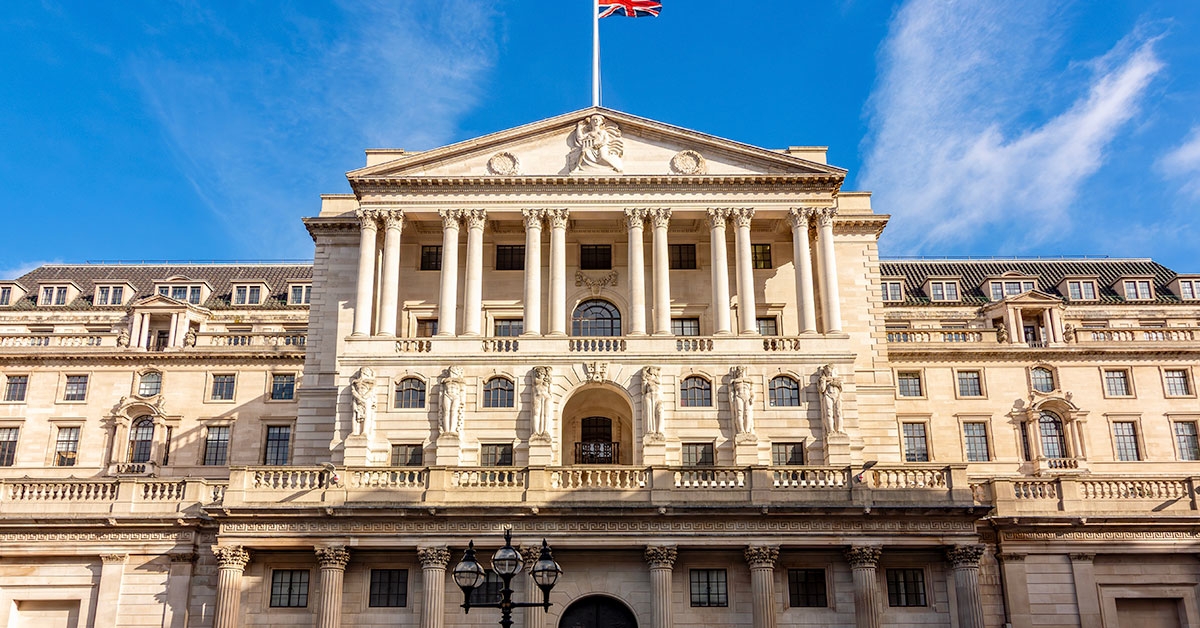
Central banks play a critical role in maintaining economic stability, and one of their most important responsibilities is controlling inflation. Inflation refers to the general rise in prices over time, which reduces the purchasing power of money. While moderate inflation is considered a normal part of a growing economy, high or unpredictable inflation can create uncertainty, distort investment decisions, and harm living standards. To manage this, central banks use a variety of tools and strategies designed to influence economic activity and keep inflation within a target range.
Understanding Inflation and Its Causes
Before exploring how central banks control inflation, it is important to understand what drives it. Inflation can arise from several sources:
-
Demand-pull inflation occurs when demand for goods and services exceeds supply.
-
Cost-push inflation happens when production costs (like wages or raw materials) increase, forcing businesses to raise prices.
-
Built-in inflation develops when workers demand higher wages, leading firms to increase prices further.
Central banks cannot directly control all these factors, but they can influence overall demand in the economy, which is often the most powerful lever for stabilizing prices.
The Primary Tool: Monetary Policy
The main way central banks control inflation is through monetary policy. This involves managing the money supply and influencing interest rates to either stimulate or slow down economic activity.
Interest Rates
The most widely used tool is the adjustment of interest rates, particularly the policy rate (also known as the benchmark or key interest rate).
-
Raising interest rates: When inflation is too high, central banks increase interest rates. This makes borrowing more expensive for consumers and businesses. As loans for homes, cars, and investments become costlier, spending and investment tend to decrease. Lower demand reduces upward pressure on prices.
-
Lowering interest rates: When inflation is too low or the economy is slowing down, central banks may cut interest rates to encourage borrowing and spending.
Interest rate changes ripple through the economy via commercial banks, affecting everything from mortgage rates to business loans.
Open Market Operations
Central banks also conduct open market operations, which involve buying or selling government securities (such as bonds) in financial markets.
-
Selling securities: When a central bank sells bonds, it takes money out of the financial system. This reduces liquidity, making it harder for banks to lend and slowing down spending.
-
Buying securities: When it buys bonds, it injects money into the system, increasing liquidity and encouraging lending and spending.
Through these actions, central banks directly influence the amount of money circulating in the economy.
Reserve Requirements
Another tool is reserve requirements—the minimum amount of funds that commercial banks must hold in reserve rather than lend out.
-
Increasing reserve requirements reduces the amount banks can lend, tightening the money supply.
-
Decreasing them allows banks to lend more, boosting economic activity.
While effective, this tool is used less frequently because it can be disruptive to the banking system.
Unconventional Tools
In times of economic crisis or when interest rates are already very low, central banks may turn to unconventional monetary policy tools.
Quantitative Easing (QE)
Quantitative easing involves large-scale purchases of financial assets, such as government bonds or even corporate securities.
By buying these assets, central banks inject significant amounts of money into the economy, lower long-term interest rates, and encourage investment and spending. While QE is often used to combat deflation or weak growth, it can also be reversed to help control inflation.
Forward Guidance
Central banks also use communication as a tool. Forward guidance refers to signaling future policy intentions to influence expectations.
If businesses and consumers believe that interest rates will rise in the future, they may reduce spending now, helping to cool inflation. Clear communication helps shape economic behavior without immediate policy changes.
Inflation Targeting
Many central banks operate under an inflation-targeting framework. This means they publicly announce a desired inflation rate—often around 2%—and adjust policy to achieve it.
This approach has several advantages:
-
It anchors expectations, making inflation more predictable.
-
It increases transparency and accountability.
-
It helps prevent both high inflation and deflation.
When people trust that the central bank will maintain stable prices, they are less likely to overreact to short-term fluctuations.
Transmission Mechanisms
The effectiveness of central bank actions depends on how policy changes are transmitted through the economy. These transmission channels include:
-
Interest rate channel: Changes in borrowing costs affect spending and investment.
-
Credit channel: Monetary policy influences banks’ willingness to lend.
-
Exchange rate channel: Higher interest rates can strengthen a country’s currency, making imports cheaper and reducing inflation.
-
Expectations channel: Public confidence in central bank policy affects economic behavior.
These channels work together, though with time lags. It may take months or even years for policy changes to fully impact inflation.
Challenges in Controlling Inflation
Controlling inflation is not always straightforward. Central banks face several challenges:
Time Lags
Monetary policy does not have an immediate effect. By the time inflation rises and is detected, and policy is adjusted, the economy may already be shifting. Acting too late or too aggressively can lead to instability.
External Shocks
Events such as oil price spikes, global supply chain disruptions, or geopolitical conflicts can drive inflation independently of domestic demand. Central banks have limited control over these factors.
Balancing Growth and Stability
Raising interest rates to fight inflation can slow economic growth and increase unemployment. Central banks must carefully balance their goals to avoid causing a recession.
Credibility and Expectations
If people lose confidence in a central bank’s ability to control inflation, expectations can become unanchored. This can make inflation harder to control, as businesses and workers adjust prices and wages more aggressively.
Coordination with Fiscal Policy
Although central banks are responsible for monetary policy, inflation control often requires coordination with fiscal policy (government spending and taxation).
For example:
-
Excessive government spending can fuel inflation, making the central bank’s job harder.
-
Fiscal discipline can support monetary efforts to stabilize prices.
However, central banks are typically independent institutions to prevent political pressures from influencing inflation control decisions.
Conclusion
Central banks control inflation primarily by influencing the level of demand in the economy through monetary policy tools such as interest rates, open market operations, and reserve requirements. In more complex situations, they may use unconventional measures like quantitative easing and forward guidance.
Their success depends not only on the tools they use but also on their credibility, communication, and ability to anticipate economic changes. While they cannot control every source of inflation, especially external shocks, central banks remain the most important institutions for maintaining price stability.
Ultimately, effective inflation control supports sustainable economic growth, protects purchasing power, and fosters confidence in the financial system—making it a cornerstone of modern economic policy.
- Arts
- Business
- Computers
- Games
- Health
- Home
- Kids and Teens
- Money
- News
- Personal Development
- Recreation
- Regional
- Reference
- Science
- Shopping
- Society
- Sports
- Бизнес
- Деньги
- Дом
- Досуг
- Здоровье
- Игры
- Искусство
- Источники информации
- Компьютеры
- Личное развитие
- Наука
- Новости и СМИ
- Общество
- Покупки
- Спорт
- Страны и регионы
- World

 Russian
 French
 Spanish
 Portuguese
 Deutsch
 Turkish
 Dutch
Dutch
 Italiano
 Arabic
 Romaian
 Portuguese (Brazil)
 Greek
Greek