
What role do taxes play in economic conditions?
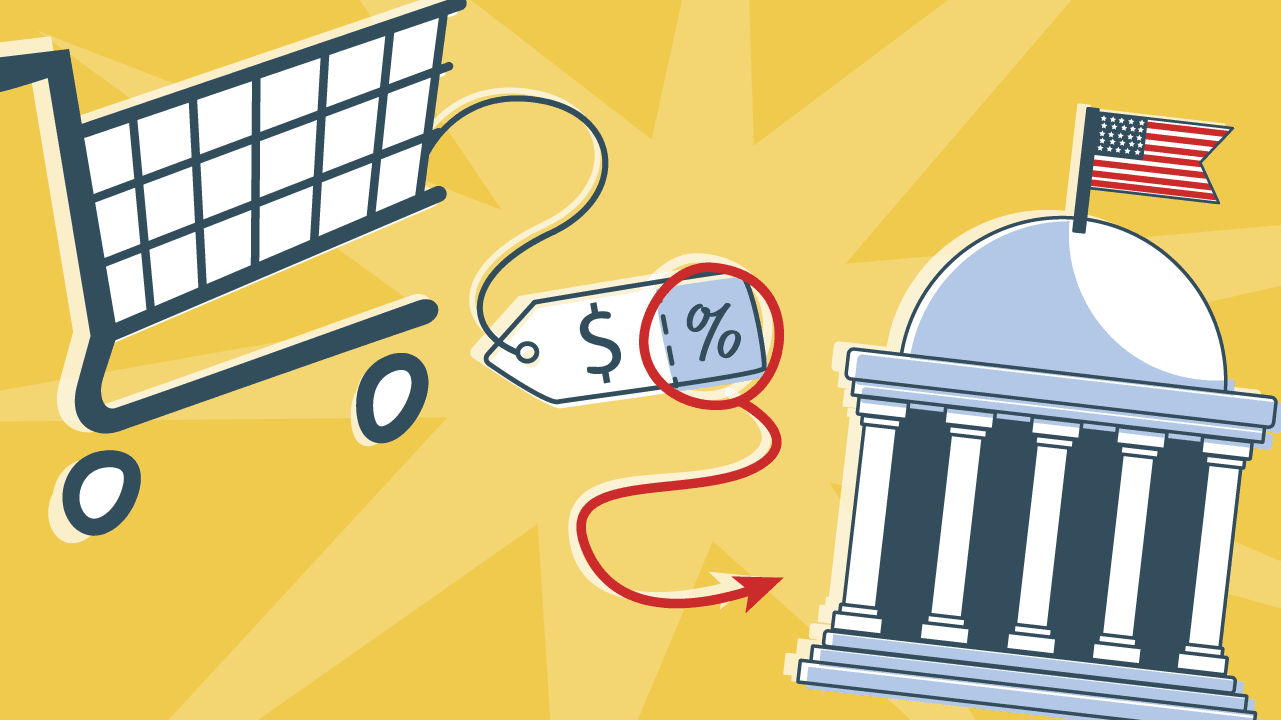
Taxes are one of the most powerful tools governments use to shape economic conditions. By influencing how much individuals and businesses earn, spend, save, and invest, taxation plays a central role in determining the pace and stability of economic activity. From funding public services to redistributing income and stabilizing economic cycles, taxes affect nearly every aspect of an economy.
Funding Public Goods and Services
At the most basic level, taxes provide the revenue governments need to operate. This includes funding essential public goods such as infrastructure, education, healthcare, defense, and law enforcement. These services are critical for economic development. For example, well-maintained roads and transportation systems reduce business costs, while education systems improve workforce productivity.
Without sufficient tax revenue, governments would struggle to provide these services, leading to weaker economic performance. In this sense, taxes are not merely a burden but also an investment in the economy’s long-term capacity to grow.
Influencing Economic Growth
Taxes can either encourage or discourage economic growth depending on how they are structured. Lower taxes on income and business profits can increase incentives to work, invest, and innovate. When individuals keep more of their earnings, they are more likely to spend or save, both of which can stimulate economic activity.
On the other hand, excessively high taxes may reduce these incentives. For instance, if businesses face high corporate taxes, they may invest less or relocate to countries with more favorable tax policies. Similarly, high personal income taxes might discourage additional work or entrepreneurship.
However, the relationship is not always straightforward. If tax revenue is used efficiently—for example, to invest in infrastructure or education—it can actually boost long-term growth, even if tax rates are relatively high.
Redistributing Income and Reducing Inequality
Taxes are also a key mechanism for redistributing income within a society. Progressive tax systems, where higher-income individuals pay a larger percentage of their income in taxes, are designed to reduce income inequality.
Redistribution can help create more balanced economic conditions. When lower-income households receive support through government programs funded by taxes, they tend to spend a larger portion of that income, which stimulates demand in the economy. This can lead to increased production and job creation.
At the same time, there is ongoing debate about how much redistribution is appropriate. While some level of redistribution can promote social stability and economic participation, excessive taxation on high earners may discourage investment and productivity.
Stabilizing the Business Cycle
Taxes play an important role in stabilizing economic fluctuations. During periods of economic expansion, tax revenues typically increase as incomes and profits rise. This can help cool down the economy and prevent overheating.
Conversely, during economic downturns, tax revenues fall, leaving more money in the hands of individuals and businesses. This automatic reduction in tax burden can help cushion the impact of a recession by supporting consumption and investment.
Governments can also actively adjust tax policies to manage economic cycles. For example, they may cut taxes during a recession to stimulate demand or increase taxes during periods of rapid growth to control inflation. These deliberate changes are part of fiscal policy aimed at maintaining economic stability.
Encouraging or Discouraging Certain Behaviors
Taxes are often used to influence behavior in ways that align with public policy goals. For example, governments may impose higher taxes on goods like tobacco, alcohol, or carbon emissions to discourage their use. These are sometimes called “sin taxes” or environmental taxes.
On the other hand, tax incentives can encourage desirable activities. Governments may offer tax credits or deductions for investments in renewable energy, research and development, or education. These incentives can guide resources toward sectors that are considered beneficial for long-term economic development.
In this way, taxes serve not only as a revenue tool but also as a mechanism for shaping the structure of the economy.
Impact on Consumption and Saving
Taxes directly affect how people allocate their income between consumption and saving. Consumption taxes, such as sales taxes or value-added taxes (VAT), increase the cost of goods and services, which can reduce consumer spending.
Income taxes, meanwhile, influence how much disposable income individuals have. Higher income taxes generally reduce consumption, while lower taxes increase it. However, the effect also depends on how individuals respond—some may choose to save more instead of spending.
Savings and investment are crucial for long-term economic growth, as they provide the funds needed for capital formation. Tax policies that encourage saving—such as tax-advantaged retirement accounts—can help support economic development over time.
Effects on Business Investment
Taxation significantly affects business decisions, particularly regarding investment. Corporate taxes, depreciation rules, and investment tax credits all influence whether and where firms choose to invest.
Lower corporate tax rates can make a country more attractive to both domestic and foreign investors. This can lead to increased capital formation, job creation, and technological advancement. Conversely, high or complex tax systems may discourage investment and reduce competitiveness.
However, tax incentives must be carefully designed. If they are too generous or poorly targeted, they can lead to inefficiencies, such as businesses investing in projects that are not economically viable without tax benefits.
Government Debt and Fiscal Sustainability
Taxes are closely linked to government borrowing and fiscal sustainability. If a government consistently spends more than it collects in taxes, it must borrow to cover the deficit. Over time, this can lead to rising public debt.
High levels of debt can create economic risks, including higher interest rates and reduced investor confidence. To maintain fiscal sustainability, governments must balance taxation and spending in a way that supports economic growth while keeping debt under control.
In some cases, increasing taxes may be necessary to reduce deficits and stabilize the economy. In others, lowering taxes to stimulate growth may be more appropriate, depending on the economic context.
International Competitiveness
In a globalized economy, tax policy also affects a country’s competitiveness. Businesses and investors often compare tax rates across countries when deciding where to locate operations.
Countries with lower or more favorable tax regimes may attract more foreign direct investment. This can boost economic growth, employment, and technological development. However, it can also lead to tax competition, where countries lower taxes to attract investment, potentially reducing government revenues.
Balancing competitiveness with the need to fund public services is a key challenge for policymakers.
Conclusion
Taxes play a multifaceted role in shaping economic conditions. They provide the revenue necessary for public services, influence economic growth, redistribute income, stabilize economic cycles, and guide behavior. Their impact extends to consumption, saving, investment, and even international competitiveness.
The effectiveness of tax policy depends not only on tax rates but also on how the system is structured and how the revenue is used. Well-designed tax systems can support sustainable economic growth and social well-being, while poorly designed ones can hinder development and create inefficiencies.
Ultimately, taxes are more than just a financial obligation—they are a central component of economic policy, with far-reaching consequences for individuals, businesses, and society as a whole.
- Arts
- Business
- Computers
- Games
- Health
- Home
- Kids and Teens
- Money
- News
- Personal Development
- Recreation
- Regional
- Reference
- Science
- Shopping
- Society
- Sports
- Бизнес
- Деньги
- Дом
- Досуг
- Здоровье
- Игры
- Искусство
- Источники информации
- Компьютеры
- Личное развитие
- Наука
- Новости и СМИ
- Общество
- Покупки
- Спорт
- Страны и регионы
- World

 Russian
 French
 Spanish
 Portuguese
 Deutsch
 Turkish
 Dutch
Dutch
 Italiano
 Arabic
 Romaian
 Portuguese (Brazil)
 Greek
Greek