
What are easy fitness hacks?
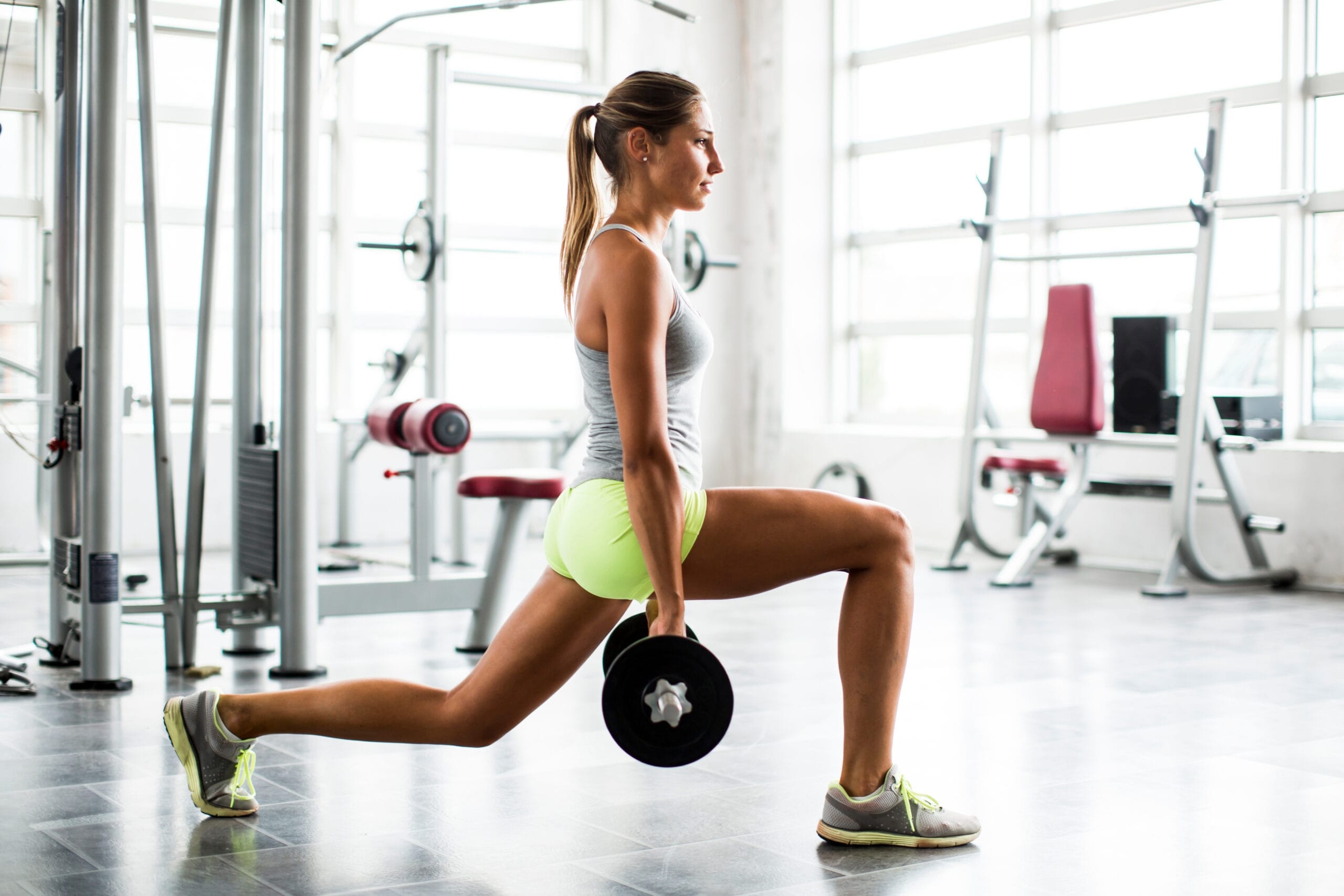
What Are Easy Fitness Hacks?
Fitness is often portrayed as something complicated—requiring strict meal plans, long gym sessions, and highly disciplined routines. While structured training is valuable, most people struggle not because they lack knowledge, but because their approach is too complex to maintain. This is where “fitness hacks” come in.
Fitness hacks are simple, low-friction strategies that improve health, movement, strength, or endurance without requiring drastic lifestyle changes. They are designed to integrate into your existing routine and produce meaningful results through consistency rather than intensity alone.
The most effective fitness hacks are not shortcuts—they are efficiency multipliers. They help you get more results from the same amount of effort.
1. The “10-Minute Rule” for Consistency
One of the biggest barriers to fitness is starting. Many people skip workouts because they feel they need a full hour or perfect conditions.
The Hack:
Commit to just 10 minutes of movement daily.
Why It Works:
-
Removes psychological resistance
-
Builds habit momentum
-
Often leads to longer workouts naturally
Once you start moving, your body usually wants to continue. Even if you don’t, 10 minutes still provides a baseline of activity that compounds over time.
2. Walk More Without Thinking About It
Walking is one of the most underrated fitness tools available.
Easy Ways to Increase Steps:
-
Take calls while walking
-
Park farther from entrances
-
Use stairs instead of elevators
-
Walk during short breaks
Why It Matters:
Walking improves:
-
Cardiovascular health
-
Fat metabolism
-
Mental clarity
It is low-impact but highly sustainable, making it one of the easiest long-term fitness hacks.
3. Use “Habit Stacking” for Exercise
Habit stacking means attaching a new habit to an existing one.
Examples:
-
Do push-ups after brushing your teeth
-
Stretch while waiting for coffee to brew
-
Squats before showering
Why It Works:
You don’t rely on motivation—you rely on existing routines. This makes fitness automatic rather than optional.
4. The “Two-Minute Start” Principle
Starting is often harder than continuing.
The Hack:
Tell yourself you will only exercise for two minutes.
Why It Works:
-
Reduces mental resistance
-
Eliminates excuses
-
Builds momentum quickly
In many cases, those two minutes turn into a full workout. Even if they don’t, you maintain consistency.
5. Keep Workout Clothes Visible
Environment strongly influences behavior.
Hack:
Lay out workout clothes where you can see them.
Why It Works:
-
Reduces friction to start exercising
-
Acts as a visual cue
-
Increases accountability
Small environmental changes often outperform willpower-based strategies.
6. Micro-Workouts Throughout the Day
Instead of one long session, break movement into smaller chunks.
Example:
-
10 push-ups in the morning
-
5-minute walk at lunch
-
10 squats in the evening
Benefits:
-
Easier to fit into busy schedules
-
Less fatigue per session
-
Higher total activity over the day
This approach is especially effective for people with inconsistent time availability.
7. Use “Exercise Snacks”
Exercise snacks are very short bursts of movement performed multiple times per day.
Examples:
-
20 jumping jacks
-
1-minute plank
-
Stair climbing
Why It Works:
These bursts improve:
-
Blood flow
-
Energy levels
-
Metabolic activity
They are particularly useful for sedentary lifestyles.
8. Make Fitness Part of Entertainment
Pair exercise with activities you already enjoy.
Examples:
-
Walk while listening to podcasts
-
Watch shows while doing light cardio
-
Listen to music during workouts
Why It Works:
You associate exercise with pleasure instead of effort, which increases consistency.
9. The “Always Leave 2 Reps in the Tank” Rule
For strength training, avoid going to absolute failure every time.
Hack:
Stop each set when you feel you could still do 1–2 more reps.
Benefits:
-
Reduces injury risk
-
Improves recovery
-
Increases long-term consistency
This makes workouts more sustainable and less draining.
10. Optimize Your Environment for Movement
Your surroundings influence your behavior more than motivation does.
Simple Changes:
-
Keep dumbbells visible
-
Place yoga mat in open space
-
Reduce barriers to movement
Why It Works:
If exercise requires setup effort, you are less likely to do it. Removing friction increases participation.
11. Use the “Never Miss Twice” Rule
Missing a workout is normal. The problem is repetition.
Rule:
Never miss two workouts in a row.
Why It Works:
-
Prevents habit breakdown
-
Maintains consistency
-
Reduces guilt spiral
This is one of the most powerful behavioral consistency tools in fitness.
12. Stretch While Doing Other Activities
Flexibility training often gets ignored because it feels like an extra task.
Hack:
Stretch during passive moments:
-
While watching TV
-
While on phone calls
-
Before bed
Benefits:
-
Improves mobility
-
Reduces stiffness
-
Enhances recovery
It integrates fitness into idle time.
13. Use Water as a Performance Trigger
Hydration affects physical performance more than most people realize.
Hack:
Drink water before any physical activity.
Why It Works:
-
Improves energy levels
-
Enhances muscle function
-
Reduces fatigue
Even mild dehydration reduces performance significantly.
14. Lower the Activation Energy for Workouts
Activation energy refers to how hard it feels to start.
Ways to Reduce It:
-
Prepare gear in advance
-
Keep routines simple
-
Avoid complicated plans
Principle:
The easier it is to start, the more likely you will do it.
15. The “3-Exercise Full Body Routine”
You don’t need complex programs to stay fit.
Simple Structure:
-
Push movement (push-ups)
-
Pull movement (rows or pull-ups)
-
Leg movement (squats or lunges)
Why It Works:
It covers all major muscle groups efficiently with minimal complexity.
16. Use Time-Based Workouts Instead of Reps
Instead of counting repetitions, use time intervals.
Example:
-
30 seconds work
-
30 seconds rest
Benefits:
-
Simplifies training
-
Keeps intensity consistent
-
Easier to follow
This reduces decision-making during workouts.
17. Make Fitness Social
Accountability increases consistency.
Examples:
-
Work out with a friend
-
Share progress with someone
-
Join online fitness communities
Why It Works:
Social pressure and support increase adherence to routines.
18. Walk Immediately After Meals
This is a simple but powerful metabolic hack.
Benefits:
-
Improves digestion
-
Stabilizes blood sugar
-
Supports fat metabolism
Even a 5–10 minute walk is effective.
19. Use “Anchor Points” in Your Day
Anchor points are fixed moments that trigger action.
Examples:
-
After waking up → stretch
-
After work → short workout
-
Before bed → light mobility work
These anchors create structure without requiring motivation.
20. Prioritize Consistency Over Intensity
The biggest misconception in fitness is that intensity matters more than consistency.
Reality:
-
Moderate exercise done regularly beats intense exercise done occasionally
Hack:
Focus on showing up, not pushing to extremes.
Conclusion
Easy fitness hacks are not about replacing serious training—they are about making fitness sustainable, accessible, and consistent. The most effective strategies reduce friction, simplify decisions, and integrate movement into daily life.
Key principles include:
-
Lowering barriers to starting
-
Making movement automatic
-
Using small, consistent actions
-
Designing your environment for success
When applied consistently, these hacks create a foundation of health that does not depend on motivation or perfect conditions.
Fitness becomes easiest when it becomes part of your life—not a separate task you have to fight for.
- Arts
- Business
- Computers
- Games
- Health
- Home
- Kids and Teens
- Money
- News
- Personal Development
- Recreation
- Regional
- Reference
- Science
- Shopping
- Society
- Sports
- Бизнес
- Деньги
- Дом
- Досуг
- Здоровье
- Игры
- Искусство
- Источники информации
- Компьютеры
- Личное развитие
- Наука
- Новости и СМИ
- Общество
- Покупки
- Спорт
- Страны и регионы
- World

 Russian
 French
 Spanish
 Portuguese
 Deutsch
 Turkish
 Dutch
Dutch
 Italiano
 Arabic
 Romaian
 Portuguese (Brazil)
 Greek
Greek