
What Is Onshore Outsourcing?
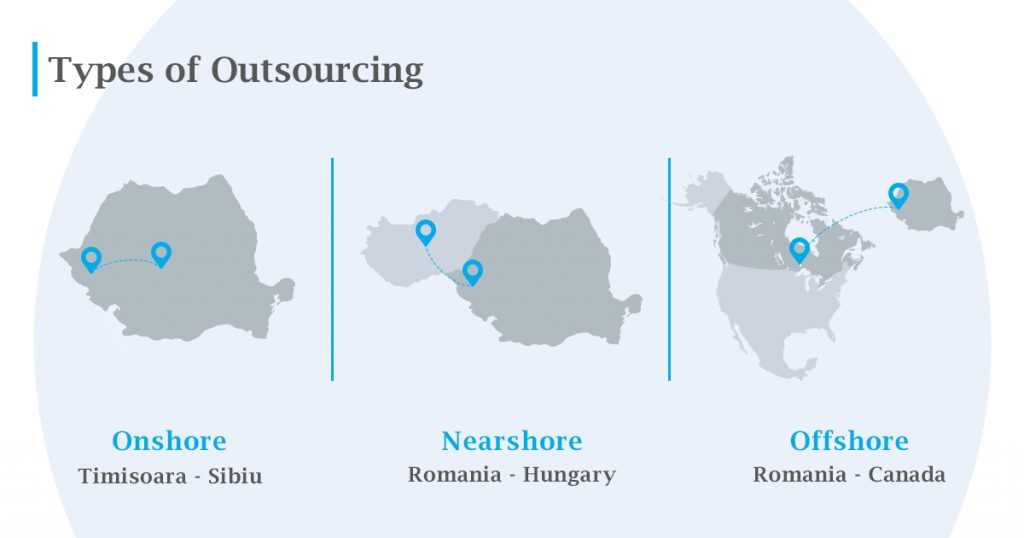
Onshore outsourcing is a business strategy where a company outsources services or tasks to a third-party provider located within the same country. Unlike offshore or nearshore outsourcing, onshore outsourcing eliminates international barriers such as time zone differences, language issues, and cultural gaps.
While it may not offer the same level of cost savings as offshore outsourcing, onshore outsourcing provides advantages in communication, quality control, and regulatory compliance. For many businesses—especially those handling sensitive data or complex projects—it can be the most practical and reliable outsourcing model.
In this article, we’ll explore what onshore outsourcing is, how it works, its benefits and challenges, and when it makes the most sense for businesses.
What Is Onshore Outsourcing?
Onshore outsourcing (also known as domestic outsourcing) involves contracting a third-party service provider within the same country to perform specific business functions.
Examples:
- A company in Armenia outsourcing IT support to another Armenian firm
- A U.S. company hiring a domestic marketing agency
- A UK business outsourcing accounting to a local provider
The key distinction is that both the client and the service provider operate within the same national boundaries.
How Onshore Outsourcing Works
The process of onshore outsourcing is similar to other outsourcing models but typically involves fewer logistical challenges.
Steps:
- Identify tasks to outsource
- Find a domestic service provider
- Define scope and expectations
- Sign contracts and SLAs
- Transition the work
- Monitor performance
Because both parties are in the same country, coordination is usually faster and simpler.
Key Characteristics of Onshore Outsourcing
- Same country location
- Shared language and culture
- Similar legal and regulatory environment
- Minimal time zone differences
- Easier communication
These characteristics make onshore outsourcing more straightforward compared to offshore options.
Common Services Outsourced Onshore
Many businesses choose to outsource specific functions domestically.
Examples:
1. IT Services
- Technical support
- Cybersecurity
- Software development
2. Marketing
- Digital marketing
- Content creation
- Branding
3. Customer Support
- Call centers
- Helpdesk services
4. Finance and Accounting
- Bookkeeping
- Payroll
5. Legal Services
- Compliance
- Contract management
Benefits of Onshore Outsourcing
Onshore outsourcing offers several important advantages.
1. Easier Communication
Since both parties share the same language and cultural context, communication is clearer and more effective.
Benefits:
- Fewer misunderstandings
- Faster responses
- Better collaboration
2. No Time Zone Barriers
Working within the same time zone allows real-time communication and faster decision-making.
3. Better Quality Control
Proximity and shared standards make it easier to maintain quality.
Why:
- Easier monitoring
- Faster feedback
- More consistent expectations
4. Stronger Legal Protection
Operating within the same legal system simplifies contracts and compliance.
Includes:
- Data protection laws
- Employment regulations
- Contract enforcement
5. Improved Security
Sensitive data is often safer when handled within the same country.
6. Easier Collaboration
Face-to-face meetings are possible when needed, improving teamwork.
Challenges of Onshore Outsourcing
Despite its benefits, onshore outsourcing has limitations.
1. Higher Costs
Labor and operational costs are usually higher compared to offshore outsourcing.
2. Limited Talent Pool
Compared to global outsourcing, the domestic talent pool may be smaller.
3. Reduced Cost Savings
Companies may not achieve the same level of cost reduction as with offshore options.
4. Competition for Local Talent
High demand for local providers can increase prices.
Onshore vs Offshore vs Nearshore
Understanding how onshore outsourcing compares to other models is important.
| Factor | Onshore | Nearshore | Offshore |
|---|---|---|---|
| Location | Same country | Nearby country | Distant country |
| Cost | High | Moderate | Low |
| Communication | Excellent | Good | Challenging |
| Time Zone | Same | Similar | Different |
| Control | High | Medium | Lower |
Each model has its own advantages depending on business needs.
When Should Businesses Use Onshore Outsourcing?
Onshore outsourcing is ideal in the following situations:
1. Sensitive Data Handling
When security and compliance are critical.
2. Complex Projects
When close collaboration is required.
3. Strong Communication Needs
When frequent interaction is necessary.
4. Regulatory Requirements
When local laws must be strictly followed.
5. High-Quality Standards
When consistency and precision are essential.
Industries That Prefer Onshore Outsourcing
Some industries rely more heavily on onshore outsourcing.
Examples:
- Healthcare
- Finance
- Legal services
- Government projects
These industries often require strict compliance and high security.
Cost Considerations
While onshore outsourcing is more expensive, it may reduce indirect costs.
Direct Costs:
- Higher labor rates
Indirect Savings:
- Fewer communication issues
- Lower management overhead
- Reduced risk
Total cost should be evaluated holistically.
Hybrid Outsourcing Approach
Many companies combine onshore outsourcing with offshore or nearshore models.
Example:
- Onshore team for strategy and communication
- Offshore team for execution
This approach balances cost and efficiency.
Best Practices for Onshore Outsourcing
To maximize success, businesses should:
1. Choose the Right Partner
Evaluate experience and reputation.
2. Define Clear Expectations
Set scope, goals, and deliverables.
3. Use SLAs
Establish performance metrics.
4. Maintain Communication
Ensure regular updates and feedback.
5. Monitor Performance
Track results and adjust as needed.
Future Trends in Onshore Outsourcing
Onshore outsourcing continues to evolve.
Trends:
- Increased demand for local expertise
- Growth in specialized services
- Integration with remote work models
- Focus on data security and compliance
Businesses are increasingly valuing reliability and quality over cost alone.
Conclusion
Onshore outsourcing is a reliable and effective strategy for businesses that prioritize communication, quality, and compliance. While it may not offer the same cost savings as offshore outsourcing, it provides significant advantages in collaboration, control, and risk management.
By working with providers within the same country, companies can simplify operations, improve efficiency, and maintain high standards. For many organizations—especially those handling sensitive or complex tasks—onshore outsourcing is the best choice.
Ultimately, the decision to use onshore outsourcing depends on balancing cost with the need for quality, security, and seamless collaboration.
- Arts
- Business
- Computers
- Spiele
- Health
- Startseite
- Kids and Teens
- Geld
- News
- Personal Development
- Recreation
- Regional
- Reference
- Science
- Shopping
- Society
- Sports
- Бизнес
- Деньги
- Дом
- Досуг
- Здоровье
- Игры
- Искусство
- Источники информации
- Компьютеры
- Личное развитие
- Наука
- Новости и СМИ
- Общество
- Покупки
- Спорт
- Страны и регионы
- World

 English
 Russian
 French
 Spanish
 Portuguese
 Turkish
 Dutch
Dutch
 Italiano
 Arabic
 Romaian
 Portuguese (Brazil)
 Greek
Greek