
How Can Small Businesses Use Outsourcing?
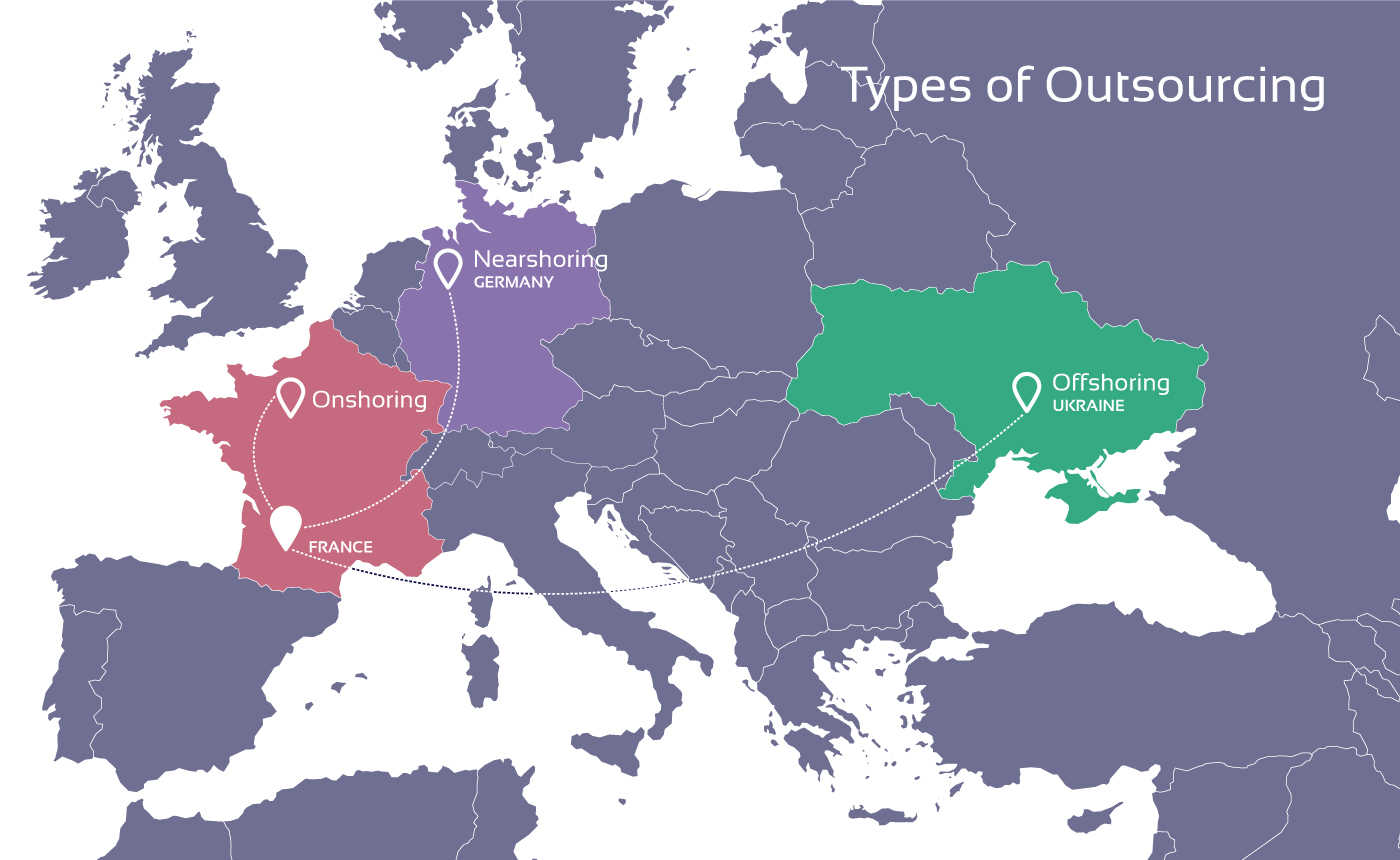
Outsourcing is no longer just a strategy for large corporations. Today, small businesses and startups are increasingly using outsourcing to compete with bigger players, operate more efficiently, and scale faster without massive upfront investments.
For small businesses with limited budgets, time, and resources, outsourcing can be a game-changer. It allows entrepreneurs to access expert skills, reduce operational burdens, and focus on growth—all without hiring full-time staff.
In this article, we’ll explore how small businesses can use outsourcing effectively, what tasks to outsource, the benefits and challenges, and practical strategies for getting started.
Why Outsourcing Matters for Small Businesses
Small businesses often face constraints that larger companies don’t.
Common Challenges:
- Limited budgets
- Small teams
- Lack of specialized expertise
- Time constraints
Outsourcing helps overcome these challenges by providing flexible access to external talent and resources.
Key Benefits of Outsourcing for Small Businesses
1. Cost Savings
Hiring full-time employees can be expensive.
Outsourcing Reduces:
- Salaries
- Benefits
- Office space costs
Small businesses can pay only for the services they need.
2. Access to Expertise
Outsourcing allows small businesses to work with specialists.
Examples:
- Graphic designers
- Marketing experts
- IT professionals
This improves quality without hiring in-house experts.
3. Increased Efficiency
External providers often have optimized processes and tools.
Result:
- Faster task completion
- Better productivity
4. Focus on Core Activities
Outsourcing frees up time for business owners to focus on growth.
Core Areas:
- Strategy
- Sales
- Customer relationships
5. Scalability
Outsourcing allows businesses to scale operations easily.
Example:
- Increase support during busy seasons
- Reduce workload during slow periods
Common Tasks Small Businesses Can Outsource
Small businesses can outsource a wide range of functions.
1. Administrative Tasks
- Email management
- Scheduling
- Data entry
Often handled by virtual assistants.
2. Marketing
- Social media management
- Content creation
- SEO and advertising
Helps build brand visibility.
3. Accounting and Finance
- Bookkeeping
- Payroll
- Tax preparation
Ensures accuracy and compliance.
4. Customer Support
- Call handling
- Live chat support
- Email responses
Improves customer experience.
5. IT Services
- Website development
- Technical support
- Cybersecurity
Keeps systems running smoothly.
6. Design and Creative Work
- Logo design
- Branding
- Video editing
Enhances professional image.
When Should Small Businesses Start Outsourcing?
Timing is critical for successful outsourcing.
Signs It’s Time to Outsource:
- You’re overwhelmed with tasks
- Work quality is declining
- You lack specific skills
- Growth is slowing down
- Tasks are repetitive and time-consuming
Outsourcing at the right time can accelerate growth.
How to Get Started with Outsourcing
1. Identify Tasks to Outsource
Focus on non-core or repetitive tasks.
2. Set Clear Goals
Define what you want to achieve.
Example:
- Save time
- Improve quality
- Reduce costs
3. Choose the Right Provider
Look for:
- Experience
- Reviews
- Communication skills
4. Start Small
Begin with a small project to test the provider.
5. Use Clear Communication
Provide detailed instructions and expectations.
6. Monitor Performance
Track results and make improvements.
Budgeting for Outsourcing
Small businesses must manage costs carefully.
Tips:
- Set a clear budget
- Compare multiple providers
- Consider value, not just price
- Account for hidden costs
Smart budgeting ensures sustainable outsourcing.
Challenges Small Businesses May Face
1. Trust Issues
Working with external providers requires trust.
2. Communication Barriers
Remote work can lead to misunderstandings.
3. Quality Control
Ensuring consistent results can be challenging.
4. Dependency on Providers
Over-reliance can create risks.
How to Overcome Outsourcing Challenges
Solutions:
- Use detailed contracts and SLAs
- Maintain regular communication
- Start with trial projects
- Build long-term relationships
Proactive management reduces risks.
Tools That Help with Outsourcing
Technology makes outsourcing easier.
Popular Tools:
- Project management tools (e.g., Trello, Asana)
- Communication tools (e.g., Slack, Zoom)
- File sharing (e.g., Google Drive)
These tools improve collaboration and efficiency.
Freelancers vs Agencies
Small businesses can choose between freelancers and agencies.
Freelancers:
- Lower cost
- Flexible
- Ideal for small tasks
Agencies:
- More resources
- Higher cost
- Suitable for larger projects
Choosing the right option depends on your needs.
Real-World Example
A small e-commerce business might outsource:
- Product photography
- Social media marketing
- Customer support
This allows the owner to focus on product development and sales.
Long-Term Benefits of Outsourcing
When done correctly, outsourcing can lead to:
- Faster business growth
- Improved efficiency
- Better quality work
- Increased competitiveness
It enables small businesses to operate like larger organizations.
Future Trends for Small Business Outsourcing
Trends:
- Increased use of freelancers
- Growth of remote work
- AI-assisted outsourcing
- Global talent access
Small businesses will have even more opportunities to leverage outsourcing.
Conclusion
Outsourcing is a powerful tool that allows small businesses to overcome limitations, access expertise, and grow efficiently. By outsourcing non-core tasks, entrepreneurs can focus on what truly matters—building and scaling their business.
While there are challenges, they can be managed with careful planning, clear communication, and the right partnerships. Starting small and gradually expanding outsourcing efforts is often the best approach.
Ultimately, outsourcing enables small businesses to compete on a larger scale, operate more efficiently, and achieve long-term success in an increasingly competitive market.
- Arts
- Business
- Computers
- الألعاب
- Health
- الرئيسية
- Kids and Teens
- مال
- News
- Personal Development
- Recreation
- Regional
- Reference
- Science
- Shopping
- Society
- Sports
- Бизнес
- Деньги
- Дом
- Досуг
- Здоровье
- Игры
- Искусство
- Источники информации
- Компьютеры
- Личное развитие
- Наука
- Новости и СМИ
- Общество
- Покупки
- Спорт
- Страны и регионы
- World

 English
 Russian
 French
 Spanish
 Portuguese
 Deutsch
 Turkish
 Dutch
Dutch
 Italiano
 Romaian
 Portuguese (Brazil)
 Greek
Greek
