
How Do Personnel Managers Improve Workforce Skills?
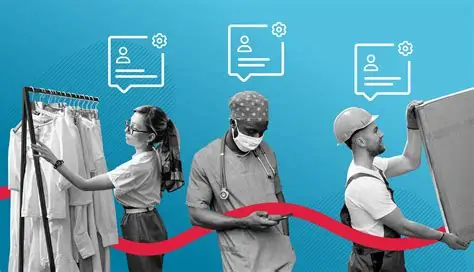
In today’s fast-changing business environment, workforce skills can quickly become outdated. New technologies, evolving customer expectations, and global competition require employees to continuously upgrade their abilities. This is where personnel managers play a crucial role.
Personnel managers are responsible for improving workforce skills through structured learning programs, on-the-job experience, performance feedback, and continuous development initiatives. Their goal is to ensure employees remain competent, productive, and aligned with organizational needs.
In this article, we’ll explore how personnel managers improve workforce skills, the strategies they use, the tools involved, and why skill development is essential for modern organizations.
Understanding Workforce Skill Improvement
Workforce skill improvement refers to the continuous process of enhancing employees’ technical, soft, and managerial abilities.
Key Skill Types:
- Technical skills (job-specific abilities)
- Soft skills (communication, teamwork)
- Digital skills (technology use)
- Leadership skills (decision-making, management)
Personnel managers ensure all these areas are developed systematically.
Importance of Workforce Skill Improvement
Improving skills is essential for both employees and organizations.
Why It Matters:
- Increases productivity
- Reduces errors
- Improves adaptability
- Enhances career growth
- Supports business innovation
A skilled workforce is a competitive advantage.
How Personnel Managers Improve Workforce Skills
Personnel managers use multiple methods to develop employee skills.
1. Training Programs
Training is the most common method.
Includes:
- Classroom training
- Online learning
- Workshops and seminars
These programs focus on specific job skills.
2. On-the-Job Training (OJT)
Employees learn while performing real tasks.
Benefits:
- Practical experience
- Immediate application
- Faster learning
3. Mentoring and Coaching
Experienced employees guide junior staff.
Advantages:
- Personalized learning
- Continuous feedback
- Career guidance
4. Job Rotation
Employees are moved across different roles.
Purpose:
- Broaden experience
- Build multiple skill sets
- Improve flexibility
5. Performance Feedback
Regular feedback helps identify skill gaps.
Methods:
- Performance appraisals
- One-on-one meetings
- 360-degree feedback
6. E-Learning Platforms
Digital learning systems provide flexible education.
Features:
- Self-paced courses
- Video tutorials
- Interactive modules
7. Workshops and Seminars
Expert-led sessions improve specific skills.
8. Cross-Functional Projects
Employees work with different departments.
Benefits:
- Collaboration skills
- Problem-solving abilities
- Broader knowledge
9. Skill Assessments
Evaluating current skill levels helps identify gaps.
10. Continuous Learning Culture
Encouraging employees to learn independently.
Role of Personnel Managers in Skill Development
Personnel managers act as facilitators of learning.
Their Responsibilities:
- Identifying skill gaps
- Designing development programs
- Allocating training resources
- Monitoring progress
- Evaluating outcomes
Types of Skills Developed
1. Technical Skills
Job-specific knowledge and expertise.
2. Communication Skills
Improving verbal and written communication.
3. Leadership Skills
Preparing employees for managerial roles.
4. Problem-Solving Skills
Enhancing decision-making abilities.
5. Digital Skills
Using modern tools and software.
Benefits of Workforce Skill Improvement
1. Higher Productivity
Skilled employees work more efficiently.
2. Better Quality Output
Improved accuracy and performance.
3. Employee Retention
Employees stay longer when they grow.
4. Organizational Growth
Skilled workers drive innovation.
5. Improved Adaptability
Employees adjust to changes faster.
Challenges in Improving Workforce Skills
1. Limited Training Budget
Not all organizations can invest heavily.
2. Resistance to Learning
Some employees avoid training.
3. Time Constraints
Work schedules may limit learning opportunities.
4. Measuring Skill Improvement
Difficult to quantify progress accurately.
Role of Technology in Skill Development
Technology has transformed how skills are developed.
Tools:
- Learning Management Systems (LMS)
- AI-based learning platforms
- Virtual training environments
- Mobile learning apps
Benefits:
- Flexible learning
- Personalized training paths
- Scalable programs
Best Practices for Skill Improvement
1. Conduct Regular Skill Assessments
2. Provide Continuous Learning Opportunities
3. Align Training with Job Roles
4. Encourage Self-Learning
5. Use Real-World Practice
Impact on Organizations
Workforce skill improvement leads to:
- Stronger performance
- Higher innovation
- Better customer satisfaction
- Competitive advantage
Conclusion
Personnel managers play a vital role in improving workforce skills by implementing structured training, mentoring, feedback systems, and development programs. Their efforts ensure that employees remain capable, adaptable, and ready for future challenges.
In a rapidly evolving business world, continuous skill development is no longer optional—it is essential. Organizations that invest in workforce skill improvement gain stronger performance, higher retention, and long-term success.
Ultimately, improving workforce skills is about empowering employees to grow while strengthening the organization as a whole.
- Arts
- Business
- Computers
- الألعاب
- Health
- الرئيسية
- Kids and Teens
- مال
- News
- Personal Development
- Recreation
- Regional
- Reference
- Science
- Shopping
- Society
- Sports
- Бизнес
- Деньги
- Дом
- Досуг
- Здоровье
- Игры
- Искусство
- Источники информации
- Компьютеры
- Личное развитие
- Наука
- Новости и СМИ
- Общество
- Покупки
- Спорт
- Страны и регионы
- World

 English
 Russian
 French
 Spanish
 Portuguese
 Deutsch
 Turkish
 Dutch
Dutch
 Italiano
 Romaian
 Portuguese (Brazil)
 Greek
Greek