
How Does Personnel Management Handle Payroll?
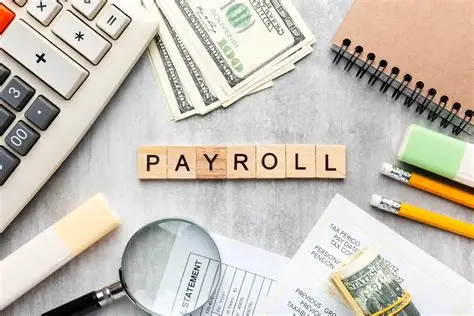
Payroll management is a critical function of personnel management that ensures employees are paid accurately and on time. It involves calculating wages, managing deductions, processing payments, and maintaining compliance with tax and labor regulations.
An effective payroll system not only ensures financial accuracy but also builds employee trust and satisfaction. Errors in payroll can lead to dissatisfaction, legal issues, and damage to the organization’s reputation.
In this article, we’ll explore how personnel management handles payroll, the processes involved, tools used, challenges, and best practices.
Understanding Payroll Management
Payroll management refers to the process of compensating employees for their work.
It Includes:
- Salary calculation
- Tax deductions
- Benefits and allowances
- Payment processing
Personnel managers ensure that payroll operations are accurate, timely, and compliant with regulations.
Importance of Payroll Management
1. Ensures Timely Payment
Employees expect to be paid correctly and on schedule.
2. Maintains Employee Satisfaction
Accurate payroll builds trust and morale.
3. Ensures Legal Compliance
Organizations must comply with tax and labor laws.
4. Prevents Financial Errors
Accurate calculations reduce risks of overpayment or underpayment.
Payroll Process in Personnel Management
Personnel managers follow a structured payroll process.
1. Collecting Employee Information
Gathering necessary employee data.
Includes:
- Salary details
- Work hours
- Attendance records
- Tax information
2. Calculating Gross Pay
Determining total earnings before deductions.
Includes:
- Basic salary
- Overtime pay
- Bonuses
- Allowances
3. Calculating Deductions
Subtracting mandatory and voluntary deductions.
Includes:
- Taxes
- Insurance
- Retirement contributions
- Loan repayments
4. Calculating Net Pay
Final salary after deductions.
5. Payroll Processing
Executing payments.
Methods:
- Bank transfers
- Direct deposits
- Checks
6. Generating Payslips
Providing employees with salary details.
7. Maintaining Records
Keeping payroll records for future reference and compliance.
Components of Payroll
1. Earnings
Includes all income received by employees.
2. Deductions
Includes taxes and other contributions.
3. Net Pay
Final amount paid to employees.
Role of Personnel Managers in Payroll
Personnel managers oversee payroll operations.
Responsibilities:
- Ensuring accuracy
- Maintaining confidentiality
- Complying with regulations
- Handling payroll queries
- Updating payroll systems
Payroll Systems and Technology
Technology has transformed payroll management.
Tools:
- Payroll software
- HR management systems
- Automated tax calculation tools
Benefits:
- Faster processing
- Reduced errors
- Better data management
Challenges in Payroll Management
1. Complex Tax Regulations
Changing laws can complicate payroll.
2. Data Accuracy Issues
Incorrect data leads to errors.
3. Confidentiality Concerns
Payroll data must be protected.
4. Time Constraints
Payroll must be processed on time.
5. Compliance Risks
Failure to comply can result in penalties.
Best Practices for Payroll Management
1. Use Reliable Payroll Software
2. Maintain Accurate Records
3. Stay Updated on Regulations
4. Ensure Data Security
5. Conduct Regular Audits
Payroll vs Compensation
| Aspect | Payroll | Compensation |
|---|---|---|
| Focus | Payment processing | Overall rewards |
| Scope | Narrow | Broad |
Payroll is a part of compensation management.
Impact of Effective Payroll Management
1. Employee Satisfaction
2. Legal Compliance
3. Financial Accuracy
4. Organizational Efficiency
Future Trends in Payroll Management
1. Automation and AI
2. Cloud-Based Payroll Systems
3. Real-Time Payments
4. Integrated HR Systems
Conclusion
Personnel management plays a vital role in handling payroll by ensuring accurate, timely, and compliant compensation processes. From calculating salaries to managing deductions and maintaining records, payroll management is essential for organizational efficiency and employee satisfaction.
With the use of modern technology and best practices, payroll systems are becoming more efficient, secure, and reliable. Organizations that manage payroll effectively can build trust, avoid legal issues, and maintain a productive workforce.
Ultimately, payroll management is not just about paying employees—it’s about ensuring fairness, accuracy, and trust within the organization.
- Arts
- Business
- Computers
- Παιχνίδια
- Health
- Κεντρική Σελίδα
- Kids and Teens
- Money
- News
- Personal Development
- Recreation
- Regional
- Reference
- Science
- Shopping
- Society
- Sports
- Бизнес
- Деньги
- Дом
- Досуг
- Здоровье
- Игры
- Искусство
- Источники информации
- Компьютеры
- Личное развитие
- Наука
- Новости и СМИ
- Общество
- Покупки
- Спорт
- Страны и регионы
- World

 English
 Russian
 French
 Spanish
 Portuguese
 Deutsch
 Turkish
 Dutch
Dutch
 Italiano
 Arabic
 Romaian
 Portuguese (Brazil)