
What are minimalist home essentials?
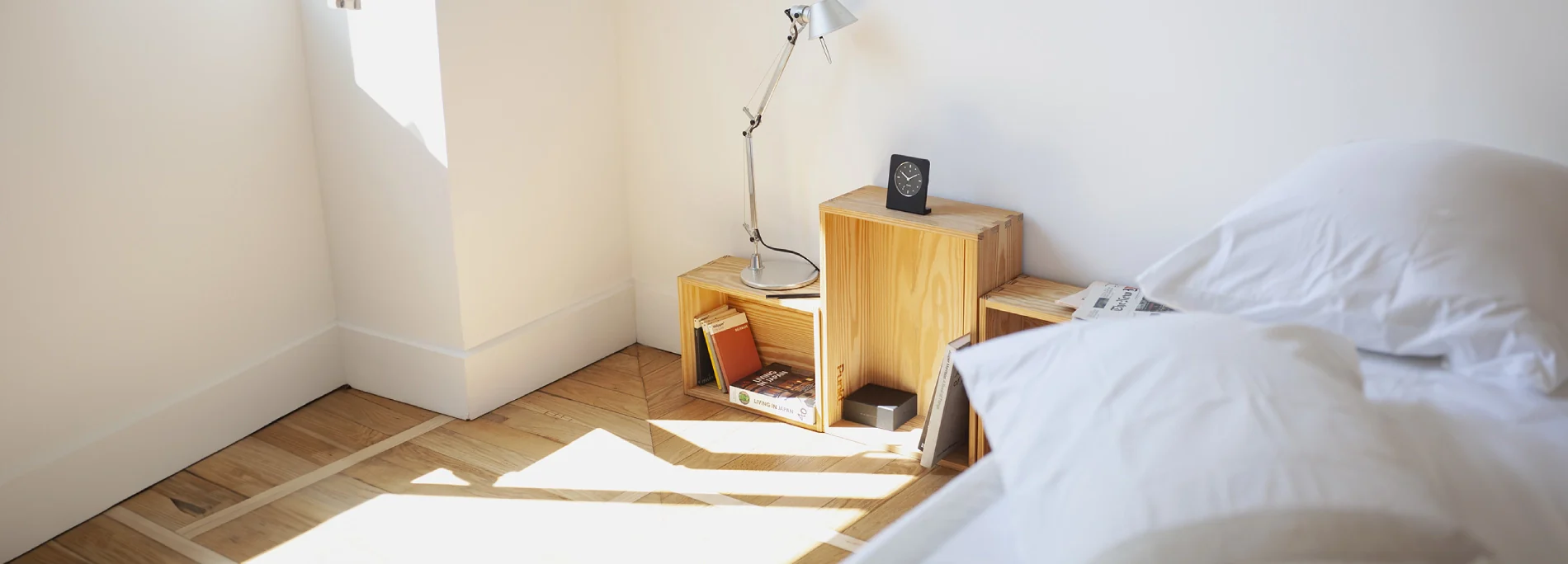
What Are Minimalist Home Essentials?
Minimalism at home is often misunderstood as owning as little as possible. In reality, it is about owning the right things—items that are functional, durable, and aligned with your lifestyle. Minimalist home essentials are not defined by a fixed number, but by their utility, versatility, and intentional presence.
A minimalist home is not empty. It is efficient, uncluttered, and purposeful, where every object contributes either to daily function or meaningful comfort. This guide breaks down what qualifies as an essential, how to choose wisely, and how to structure your home for clarity and efficiency.
Defining “Essential” in Minimalism
An essential item in a minimalist home meets at least one of these criteria:
-
Functional necessity (you use it regularly)
-
Multi-purpose utility (serves more than one role)
-
High-frequency use (used weekly or daily)
-
Meaningful value (adds emotional or aesthetic significance)
Anything outside these categories is a candidate for removal.
Core Principles Behind Minimalist Essentials
Before listing items, it’s important to understand the selection logic.
1. Function Over Quantity
Minimalism prioritizes usefulness. Instead of owning multiple variations of the same item, you keep:
-
One or two high-quality versions
Example:
-
One durable chef’s knife instead of multiple low-quality knives
2. Versatility
Items that serve multiple purposes reduce overall quantity.
Examples:
-
A sofa bed (seating + sleeping)
-
Storage ottoman (seating + storage)
3. Quality and Longevity
Minimalist homes emphasize:
-
Durable materials
-
Timeless design
-
Long-term usability
This reduces replacement cycles and clutter accumulation.
4. Space Efficiency
Essentials should:
-
Fit your space properly
-
Avoid overcrowding
-
Support movement and flow
Living Room Essentials
The living room is often the central space, so its essentials should balance comfort and simplicity.
1. Seating
-
A comfortable sofa or sectional
-
Optional: 1–2 chairs
Choose neutral tones and clean lines to maintain cohesion.
2. Functional Surface
-
Coffee table or side table
This provides a place for:
-
Daily use items
-
Occasional décor
3. Lighting
-
Ambient lighting (ceiling or floor lamp)
-
Optional task lighting
Lighting should enhance usability without adding visual clutter.
4. Storage
-
Minimal shelving or cabinets
Keep storage:
-
Concealed when possible
-
Organized internally
5. Minimal Décor
-
One or two meaningful items
Examples:
-
A plant
-
A single artwork
Bedroom Essentials
The bedroom should prioritize rest and simplicity.
1. Bed and Mattress
-
High-quality mattress
-
Simple bed frame
This is the most important investment in the room.
2. Bedding
-
1–2 sets of sheets
-
A blanket or duvet
-
Minimal pillows
Stick to neutral or calming colors.
3. Nightstand
-
Small, functional surface
Keep it minimal:
-
Lamp
-
One or two personal items
4. Storage
-
Closet or dresser
Organize to avoid overflow:
-
Fold efficiently
-
Remove unused clothing
5. Lighting
-
Soft, warm lighting for relaxation
Kitchen Essentials
The kitchen benefits the most from minimalism due to its tendency to accumulate clutter.
1. Core Cookware
-
1–2 pots
-
1–2 pans
-
Baking tray (optional)
Choose durable, multi-purpose items.
2. Essential Utensils
-
Chef’s knife
-
Cutting board
-
Spatula
-
Wooden spoon
-
Tongs
Avoid duplicates.
3. Dishware
-
2–6 plates
-
2–6 bowls
-
2–6 cups
Adjust based on household size.
4. Appliances
Keep only what you use regularly:
-
Kettle or coffee maker
-
Blender (if used often)
Avoid rarely used gadgets.
5. Food Storage
-
Reusable containers
-
Minimal pantry organization
6. Cleaning Supplies
-
Dish soap
-
Sponge or brush
-
Drying rack or towel
Bathroom Essentials
The bathroom should be clean, functional, and uncluttered.
1. Toiletries
-
Toothbrush and toothpaste
-
Soap or body wash
-
Shampoo and conditioner
-
Razor (if needed)
Avoid excessive product variety.
2. Towels
-
2–3 per person
Keep extras minimal.
3. Storage
-
Small cabinet or shelf
Keep surfaces clear.
4. Cleaning Tools
-
Toilet brush
-
Basic cleaning supplies
Workspace Essentials
A minimalist workspace enhances focus and productivity.
1. Desk
-
Clean, appropriately sized
2. Chair
-
Ergonomic and comfortable
3. Core Tools
-
Computer or laptop
-
Notebook
-
Pen
4. Lighting
-
Task lighting if needed
5. Cable Management
-
Keep wires organized and hidden
Entryway Essentials
The entryway sets the tone for your home.
1. Storage
-
Hooks or small rack
2. Footwear Management
-
Limit visible shoes
3. Functional Additions
-
Mirror (optional)
-
Small tray for keys
Cleaning and Maintenance Essentials
Minimalist homes rely on consistent upkeep.
Core Items
-
Vacuum or broom
-
Mop
-
Multi-purpose cleaner
-
Cloths
Keeping cleaning tools minimal ensures:
-
Easy maintenance
-
Reduced clutter
Multi-Functional Essentials
These are particularly valuable in minimalist homes.
Examples
-
Sofa bed
-
Foldable furniture
-
Storage ottomans
-
Nesting tables
They maximize utility while minimizing item count.
What Is Not Essential?
Understanding what to avoid is just as important.
Common Non-Essentials
-
Duplicate items
-
Rarely used gadgets
-
Excess décor
-
Trend-based purchases
If something is used less than once every few months, it is likely not essential.
How to Identify Your Personal Essentials
Minimalism is not one-size-fits-all.
Ask Yourself
-
Do I use this regularly?
-
Does it serve multiple purposes?
-
Does it add meaningful value?
Your essentials should reflect your:
-
Lifestyle
-
Habits
-
Environment
Building Your Essential Set
Step 1: Start With Basics
Focus on:
-
Sleeping
-
Eating
-
Hygiene
-
Working
Step 2: Add Supporting Items
Include:
-
Storage
-
Lighting
-
Comfort elements
Step 3: Refine
Remove anything that:
-
Isn’t used
-
Doesn’t fit
-
Creates clutter
Maintaining a Minimalist Home
Minimalism requires ongoing discipline.
1. One-In, One-Out Rule
Every new item replaces an old one.
2. Regular Reviews
Every few months:
-
Reassess items
-
Remove unused ones
3. Intentional Purchasing
Before buying:
-
Evaluate necessity
-
Consider alternatives
Benefits of Minimalist Home Essentials
1. Reduced Clutter
Fewer items mean:
-
Cleaner spaces
-
Easier organization
2. Improved Efficiency
You spend less time:
-
Searching for items
-
Cleaning
3. Financial Savings
Fewer purchases lead to:
-
Lower expenses
-
Better investment in quality
4. Mental Clarity
An organized space supports:
-
Focus
-
Calmness
Minimalism vs Deprivation
Minimalism is not about sacrificing comfort.
A well-designed minimalist home still includes:
-
Comfortable furniture
-
Functional tools
-
Personal touches
The difference is that everything is intentional.
Final Thoughts
Minimalist home essentials are defined by purpose, quality, and relevance.
By focusing on:
-
What you actually use
-
What improves your daily life
-
What fits your space
You create a home that is:
-
Efficient
-
Calm
-
Easy to maintain
Minimalism is ultimately about alignment—ensuring that your environment supports your priorities without unnecessary distraction.
- Arts
- Business
- Computers
- Игры
- Health
- Главная
- Kids and Teens
- Деньги
- News
- Personal Development
- Recreation
- Regional
- Reference
- Science
- Shopping
- Society
- Sports
- Бизнес
- Деньги
- Дом
- Досуг
- Здоровье
- Игры
- Искусство
- Источники информации
- Компьютеры
- Личное развитие
- Наука
- Новости и СМИ
- Общество
- Покупки
- Спорт
- Страны и регионы
- World

 English
 French
 Spanish
 Portuguese
 Deutsch
 Turkish
 Dutch
Dutch
 Italiano
 Arabic
 Romaian
 Portuguese (Brazil)
 Greek
Greek