
How Do You Optimize Facility Operations?
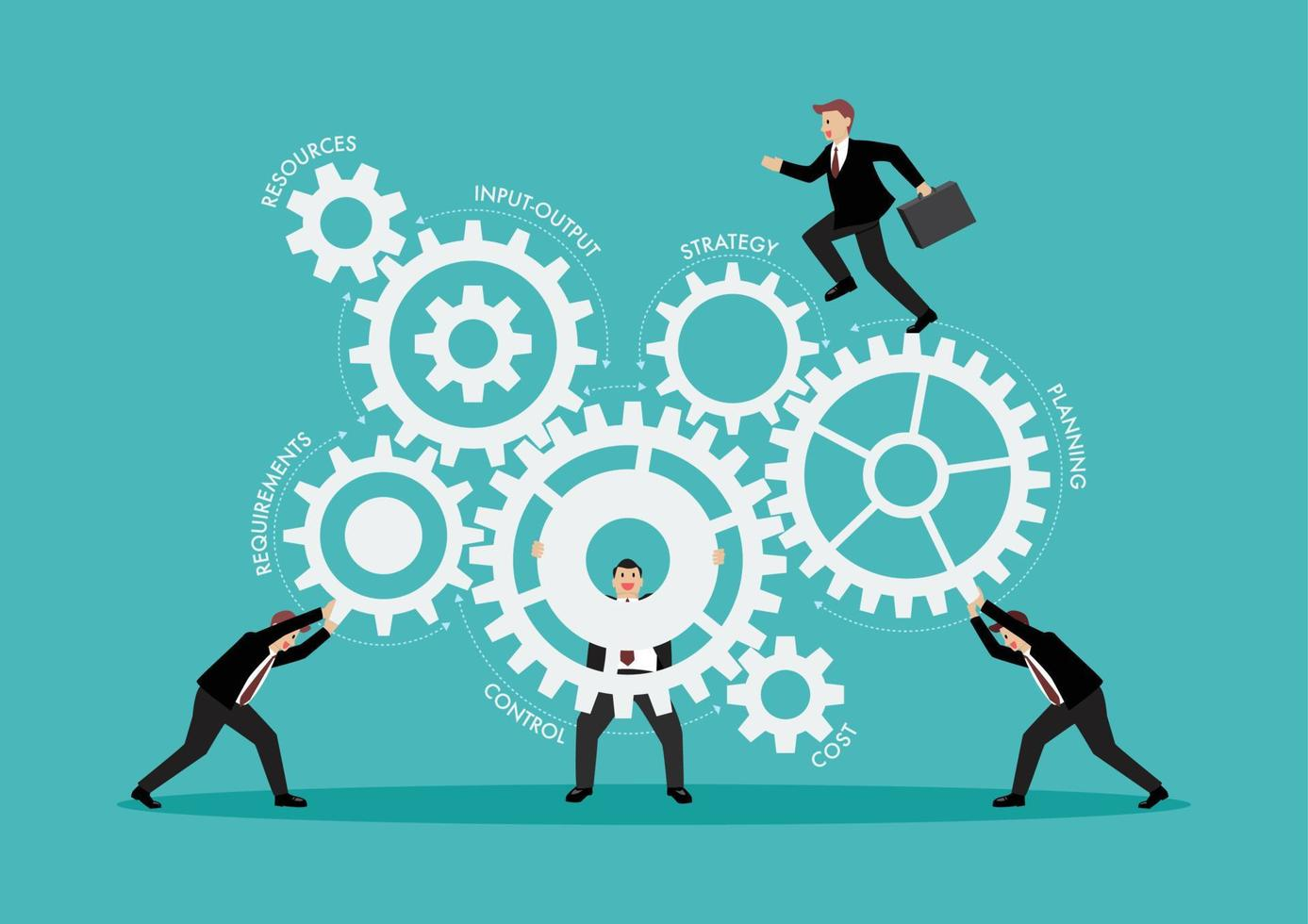
Optimizing facility operations means improving the efficiency, performance, and cost-effectiveness of all building-related activities. It involves coordinating people, processes, technology, and assets to ensure that a facility runs smoothly while supporting organizational goals.
In modern facility management, optimization is not just about reducing costs—it is about maximizing value, improving user experience, and ensuring long-term sustainability.
Understanding Facility Operations Optimization
Facility operations include all daily activities required to run and maintain a building, such as maintenance, cleaning, security, energy management, and space utilization.
Optimizing these operations means:
- Reducing waste and inefficiencies
- Improving workflow and coordination
- Enhancing service quality
- Lowering operational costs
The goal is to achieve maximum output with minimum input while maintaining quality.
Importance of Optimizing Facility Operations
Operational optimization is essential because facilities are often one of the largest cost centers in an organization.
Benefits include:
- Cost reduction: Eliminates unnecessary expenses
- Improved efficiency: Streamlines workflows
- Better asset performance: Extends equipment life
- Enhanced user satisfaction: Improves workplace experience
Efficient operations directly contribute to business success.
Key Strategies to Optimize Facility Operations
There are several proven strategies used to improve facility performance.
1. Implementing Preventive Maintenance
Preventive maintenance ensures equipment is serviced before failures occur.
It includes:
- Scheduled inspections
- Routine servicing
- Early fault detection
This reduces downtime and repair costs while improving reliability.
2. Using Facility Management Software
Technology plays a major role in optimization.
Tools such as:
- CMMS (Computerized Maintenance Management Systems)
- CAFM (Computer-Aided Facility Management systems)
- IWMS (Integrated Workplace Management Systems)
help streamline operations by:
- Automating workflows
- Tracking performance
- Managing resources efficiently
3. Improving Energy Management
Energy optimization reduces operational costs significantly.
Strategies include:
- Using smart HVAC systems
- Installing energy-efficient lighting
- Monitoring real-time energy consumption
Energy management systems help identify waste and optimize usage.
4. Optimizing Space Utilization
Efficient use of space reduces costs and improves productivity.
Facility managers can:
- Analyze occupancy data
- Remove underutilized areas
- Implement flexible workspace designs
This is especially important in hybrid work environments.
5. Automating Building Systems
Automation improves efficiency and reduces manual work.
Examples include:
- Smart lighting controls
- Automated temperature regulation
- Security system automation
Automation ensures consistent and optimized performance.
Role of Technology in Optimization
Technology is the backbone of modern facility optimization.
Key technologies include:
- Internet of Things (IoT) sensors
- Artificial intelligence (AI)
- Building Management Systems (BMS)
- Data analytics platforms
These tools provide real-time insights and automated decision-making.
Data-Driven Decision Making
Data is essential for optimizing operations.
Facility managers use data to:
- Identify inefficiencies
- Track performance trends
- Predict maintenance needs
- Allocate resources effectively
Data-driven insights lead to smarter operational strategies.
Workforce Management and Training
Efficient operations depend on skilled personnel.
Optimization includes:
- Training staff regularly
- Assigning clear responsibilities
- Improving communication workflows
Well-trained teams perform tasks more efficiently and reduce errors.
Vendor and Contract Optimization
External service providers play a key role in facility operations.
Facility managers can optimize costs by:
- Reviewing vendor performance
- Negotiating contracts
- Consolidating service providers
Strong vendor management improves quality and reduces expenses.
Reducing Operational Waste
Waste reduction is a major part of optimization.
This includes:
- Reducing energy waste
- Minimizing material usage
- Eliminating redundant processes
Sustainable practices often align with operational efficiency.
Predictive Maintenance and AI
Advanced technologies enable predictive maintenance.
This involves:
- Using sensors to detect early issues
- Applying AI to predict failures
- Scheduling maintenance proactively
This reduces downtime and improves asset lifespan.
Monitoring and Performance Tracking
Continuous monitoring is essential for optimization.
Facility managers track:
- Maintenance performance
- Energy consumption
- Service response times
This ensures ongoing improvement.
Challenges in Facility Optimization
Organizations may face challenges such as:
- Aging infrastructure
- High implementation costs for technology
- Resistance to change
- Data integration issues
Overcoming these challenges requires strategic planning.
Continuous Improvement Approach
Optimization is an ongoing process, not a one-time effort.
Facility managers:
- Regularly review performance
- Implement improvements
- Adapt to new technologies
Continuous improvement ensures long-term success.
Strategic Importance of Optimization
Optimized facility operations support broader organizational goals.
They help:
- Improve productivity
- Reduce operational risk
- Enhance sustainability
- Support business growth
Efficient facilities create competitive advantages.
Future Trends in Facility Optimization
The future of facility operations will be shaped by innovation.
Key trends include:
- AI-powered automation
- Smart building ecosystems
- Digital twins of facilities
- Advanced predictive analytics
These technologies will make operations more intelligent and autonomous.
Conclusion
Optimizing facility operations is essential for improving efficiency, reducing costs, and enhancing performance. By leveraging technology, improving maintenance strategies, managing energy use, and analyzing data, organizations can create highly efficient and sustainable facilities.
Facility managers play a key role in driving this optimization process, ensuring that every aspect of a facility operates at its best. As technology continues to evolve, facility optimization will become increasingly automated, intelligent, and data-driven.
- Arts
- Business
- Computers
- Jogos
- Health
- Início
- Kids and Teens
- Money
- News
- Personal Development
- Recreation
- Regional
- Reference
- Science
- Shopping
- Society
- Sports
- Бизнес
- Деньги
- Дом
- Досуг
- Здоровье
- Игры
- Искусство
- Источники информации
- Компьютеры
- Личное развитие
- Наука
- Новости и СМИ
- Общество
- Покупки
- Спорт
- Страны и регионы
- World

 English
 Russian
 French
 Spanish
 Portuguese
 Deutsch
 Turkish
 Dutch
Dutch
 Italiano
 Arabic
 Romaian
 Greek
Greek