
What Is Economic Policy?
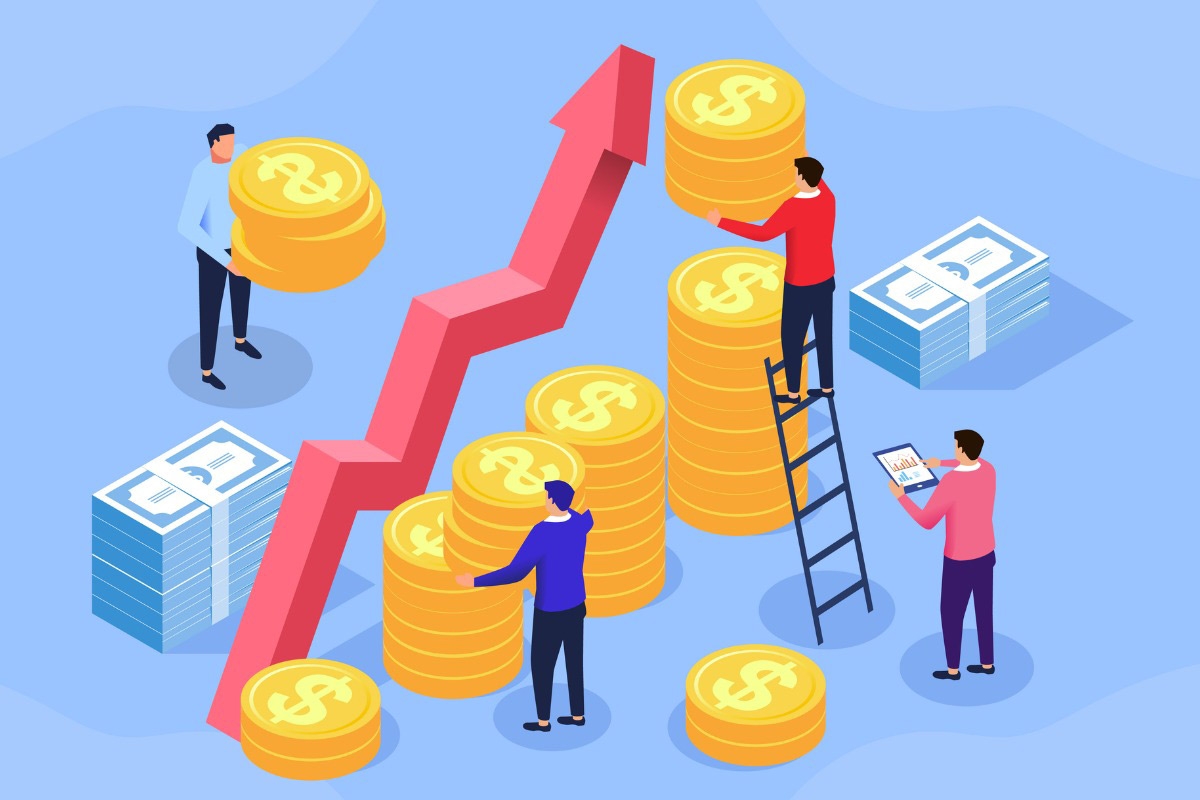
What Is Economic Policy?
Economic policy refers to the actions, strategies, and decisions taken by governments or governing bodies to influence a country’s economic performance. It shapes how resources are allocated, how wealth is distributed, and how economic growth is achieved and sustained. At its core, economic policy is about managing an economy to improve the well-being of its citizens while balancing competing priorities such as growth, stability, and equity.
The Purpose of Economic Policy
Governments do not leave economies entirely to market forces. While markets are powerful mechanisms for allocating resources, they can also produce undesirable outcomes such as inequality, inflation, unemployment, or environmental degradation. Economic policy exists to address these issues.
The main objectives of economic policy typically include:
-
Economic growth: Increasing the production of goods and services over time
-
Price stability: Keeping inflation under control
-
Full employment: Minimizing unemployment
-
Income distribution: Reducing excessive inequality
-
External balance: Managing trade and financial relations with other countries
These goals often conflict with one another. For example, policies that boost growth may increase inflation, while efforts to reduce inflation might slow economic activity. Policymakers must navigate these trade-offs carefully.
Types of Economic Policy
Economic policy is usually divided into several major categories, each focusing on a different aspect of the economy.
1. Fiscal Policy
Fiscal policy involves government decisions about taxation and spending. It is one of the most direct tools for influencing economic activity.
-
Government spending: Investments in infrastructure, education, healthcare, and public services can stimulate economic growth and create jobs.
-
Taxation: Adjusting tax rates can influence consumer behavior, business investment, and income distribution.
For example, during an economic downturn, a government may increase spending or cut taxes to stimulate demand—a strategy known as expansionary fiscal policy. Conversely, to reduce inflation or budget deficits, it may decrease spending or raise taxes, known as contractionary fiscal policy.
2. Monetary Policy
Monetary policy is typically managed by a country’s central bank and focuses on controlling the money supply and interest rates.
Key tools include:
-
Interest rates: Lower rates encourage borrowing and spending; higher rates discourage them.
-
Open market operations: Buying or selling government bonds to influence liquidity in the economy
-
Reserve requirements: Setting how much banks must hold in reserves
The main goal of monetary policy is often to maintain price stability while supporting economic growth. Central banks must also consider financial stability, ensuring that the banking system remains sound.
3. Trade Policy
Trade policy governs how a country interacts economically with the rest of the world. It includes:
-
Tariffs: Taxes on imported goods
-
Quotas: Limits on the quantity of imports
-
Trade agreements: Deals between countries to reduce trade barriers
Trade policy can protect domestic industries, promote exports, and influence international relations. However, protectionist policies can lead to higher prices for consumers and potential retaliation from trading partners.
4. Regulatory Policy
Regulatory policy involves rules and laws that govern economic activity. These regulations aim to ensure fair competition, protect consumers, and safeguard the environment.
Examples include:
-
Antitrust laws to prevent monopolies
-
Labor regulations to protect workers
-
Environmental standards to reduce pollution
While regulation can correct market failures, excessive or poorly designed regulation can hinder innovation and efficiency.
5. Industrial and Development Policy
Industrial policy focuses on supporting specific sectors or industries to promote economic growth. Governments may provide subsidies, tax incentives, or direct investment to encourage development in strategic areas such as technology, manufacturing, or renewable energy.
Development policy, often used in lower-income countries, aims to reduce poverty, improve infrastructure, and build institutional capacity.
How Economic Policy Is Made
Economic policy is shaped through political processes. Elected officials, government agencies, and central banks all play a role. Policymaking typically involves:
-
Identifying a problem: Such as rising unemployment or inflation
-
Analyzing data: Using economic models and evidence
-
Designing policy options: Considering potential outcomes and trade-offs
-
Implementation: Enacting laws or regulations
-
Evaluation: Monitoring results and adjusting policies as needed
Because economic policy affects many stakeholders, it is often influenced by political considerations, public opinion, and interest groups.
The Role of Economic Theory
Economic policy is guided by different schools of thought within economics. These theories provide frameworks for understanding how economies function and how policy interventions may work.
For example:
-
Keynesian economics emphasizes the role of government spending in managing economic cycles
-
Classical and neoclassical economics highlight the efficiency of markets and the importance of limited government intervention
-
Monetarism focuses on controlling the money supply to manage inflation
In practice, most governments use a mix of approaches rather than strictly following one theory.
Challenges in Economic Policy
Designing effective economic policy is difficult for several reasons.
1. Uncertainty
Economic systems are complex and influenced by many unpredictable factors, such as technological change, global events, and consumer behavior. Policies may not always produce the intended results.
2. Time Lags
There is often a delay between when a policy is implemented and when its effects are felt. For example, changes in interest rates may take months to influence investment and spending.
3. Political Constraints
Economic policy decisions are rarely purely technical. Political priorities, elections, and lobbying can shape policy choices, sometimes at the expense of long-term effectiveness.
4. Global Interdependence
In a globalized world, national economic policies are interconnected. Decisions in one country can affect others through trade, investment, and financial markets.
Economic Policy in Practice
Economic policy becomes especially visible during times of crisis. For example:
-
During a recession, governments may increase spending and central banks may lower interest rates to stimulate the economy.
-
In periods of high inflation, policymakers may tighten monetary policy to reduce price pressures.
-
During financial crises, governments may intervene to stabilize banks and restore confidence.
These actions demonstrate how economic policy responds to changing conditions and aims to maintain stability.
The Importance of Economic Policy
Economic policy plays a crucial role in shaping everyday life. It affects:
-
Job opportunities and wages
-
The cost of living
-
Access to public services
-
Business conditions and investment
-
Long-term economic prospects
Good economic policy can foster sustainable growth, reduce poverty, and improve quality of life. Poor policy, on the other hand, can lead to instability, inequality, and economic decline.
Conclusion
Economic policy is the framework through which governments guide and influence economic activity. It encompasses a wide range of tools—from fiscal and monetary measures to trade and regulatory decisions—all aimed at achieving key economic goals.
While there is no one-size-fits-all approach, effective economic policy requires careful analysis, adaptability, and a balance between competing objectives. As economies evolve and face new challenges, the role of economic policy remains central to shaping a stable, prosperous, and equitable society.
- Arts
- Business
- Computers
- Games
- Health
- Home
- Kids and Teens
- Money
- News
- Personal Development
- Recreation
- Regional
- Reference
- Science
- Shopping
- Society
- Sports
- Бизнес
- Деньги
- Дом
- Досуг
- Здоровье
- Игры
- Искусство
- Источники информации
- Компьютеры
- Личное развитие
- Наука
- Новости и СМИ
- Общество
- Покупки
- Спорт
- Страны и регионы
- World

 Russian
 French
 Spanish
 Portuguese
 Deutsch
 Turkish
 Dutch
Dutch
 Italiano
 Arabic
 Romaian
 Portuguese (Brazil)
 Greek
Greek