
How Do Facility Managers Ensure Compliance?
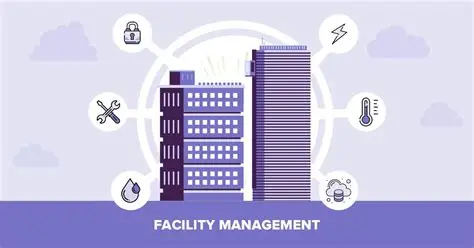
Ensuring compliance is one of the most critical responsibilities in facility management. It means making sure that all building operations, systems, and procedures follow legal regulations, safety standards, environmental rules, and internal policies.
Compliance is not a one-time task—it is an ongoing process that requires monitoring, documentation, training, and continuous improvement. Facility managers act as the central point of coordination to ensure that every aspect of a facility meets required standards.
Understanding Compliance in Facility Management
Compliance in facility management refers to adhering to all applicable laws, codes, and standards that govern building operations and workplace safety.
It typically includes:
- Health and safety regulations
- Fire safety requirements
- Environmental laws
- Building codes and inspections
- Energy efficiency standards
- Accessibility requirements
Facility managers must ensure that both the physical building and its operations remain compliant at all times.
Importance of Compliance in Facilities
Compliance is essential because it protects people, property, and organizations.
Key benefits include:
- Safety assurance: Reduces risks of accidents and hazards
- Legal protection: Avoids fines, lawsuits, and penalties
- Operational continuity: Prevents shutdowns or restrictions
- Reputation management: Builds trust with employees and stakeholders
Without compliance, organizations face serious operational and financial risks.
Role of Facility Managers in Compliance
Facility managers are responsible for implementing and maintaining compliance systems.
Their responsibilities include:
- Understanding applicable regulations
- Ensuring systems meet legal standards
- Coordinating inspections and audits
- Maintaining compliance documentation
- Training staff on safety procedures
They act as the link between regulatory authorities and day-to-day operations.
Developing Compliance Policies and Procedures
Facility managers create internal policies that support regulatory compliance.
These include:
- Safety procedures
- Maintenance schedules
- Emergency response plans
- Environmental management policies
Clear policies ensure that employees understand expectations and follow correct procedures.
Conducting Regular Inspections and Audits
Inspections and audits are essential for identifying compliance gaps.
Facility managers conduct:
- Internal safety inspections
- Equipment and system audits
- Fire safety checks
- Environmental compliance reviews
Regular inspections help detect problems before they become serious issues.
Maintaining Compliance Documentation
Proper documentation is essential for proving compliance during audits or inspections.
Important records include:
- Maintenance logs
- Safety training records
- Inspection reports
- Incident and accident reports
- Equipment certification documents
Accurate records demonstrate accountability and transparency.
Training Employees for Compliance
Employee awareness is a key part of compliance.
Facility managers ensure training programs cover:
- Workplace safety procedures
- Emergency response actions
- Equipment usage guidelines
- Hazard identification and reporting
Well-trained employees reduce risks and support compliance efforts.
Managing Safety Systems and Equipment
Facility managers ensure that all safety systems function properly and meet standards.
This includes:
- Fire alarms and sprinkler systems
- Emergency lighting and exits
- Security systems
- Protective equipment
Regular testing and maintenance are required for compliance.
Using Technology for Compliance Management
Technology plays a major role in modern compliance management.
Common tools include:
- CMMS (Computerized Maintenance Management Systems)
- CAFM (Computer-Aided Facility Management systems)
- Compliance tracking software
- IoT monitoring systems
These tools help automate reporting and improve accuracy.
Monitoring Regulatory Changes
Regulations frequently change, so facility managers must stay updated.
They do this by:
- Following government updates
- Subscribing to industry standards
- Working with compliance consultants
- Attending professional training
Staying informed ensures ongoing compliance.
Risk Assessment and Mitigation
Risk assessment is a key part of compliance management.
Facility managers:
- Identify potential hazards
- Evaluate risk levels
- Implement control measures
- Monitor effectiveness
This proactive approach reduces compliance violations and accidents.
Coordination with External Authorities
Facility managers often work with external regulatory bodies.
This includes:
- Safety inspectors
- Environmental agencies
- Fire departments
- Certification organizations
Cooperation ensures smooth inspections and approvals.
Handling Non-Compliance Issues
When compliance issues are identified, facility managers must act quickly.
Steps include:
- Identifying the root cause
- Implementing corrective actions
- Updating procedures
- Preventing recurrence
Timely response minimizes risk and penalties.
Importance of Standard Operating Procedures (SOPs)
SOPs support compliance by standardizing processes.
They ensure that:
- Tasks are performed correctly
- Safety steps are followed
- Procedures remain consistent
SOPs reduce human error and improve reliability.
Compliance in Outsourced Services
Facility managers must also ensure that vendors comply with regulations.
This involves:
- Checking contractor certifications
- Monitoring service quality
- Including compliance terms in contracts
Outsourced services must meet the same standards as internal operations.
Role of Digital Monitoring Systems
Smart systems help maintain real-time compliance.
Examples include:
- Environmental monitoring sensors
- Fire detection systems
- Energy tracking tools
These systems provide instant alerts for potential violations.
Challenges in Ensuring Compliance
Facility managers face several challenges:
- Changing regulations
- Complex documentation requirements
- Multiple compliance standards
- Limited resources
These challenges require strong systems and continuous attention.
Best Practices for Compliance Management
To ensure effective compliance, organizations should:
- Conduct regular audits
- Maintain updated documentation
- Train employees consistently
- Use digital compliance tools
- Stay informed about regulations
These practices reduce risks and improve reliability.
Strategic Importance of Compliance
Compliance is more than a legal requirement—it is a strategic advantage.
It helps organizations:
- Improve operational safety
- Reduce financial risks
- Strengthen reputation
- Ensure long-term sustainability
Strong compliance systems support business stability.
Future of Compliance in Facility Management
The future of compliance will be shaped by technology and automation.
Key trends include:
- AI-based compliance monitoring
- Real-time regulatory tracking
- Automated audit systems
- Smart building compliance integration
These innovations will make compliance more proactive and efficient.
Conclusion
Facility managers ensure compliance by implementing structured systems, maintaining documentation, conducting inspections, and using technology to monitor operations. Compliance covers safety, environmental, legal, and operational standards, making it a core responsibility in facility management.
By staying proactive and organized, facility managers help organizations avoid risks, meet regulations, and maintain safe and efficient facilities. As regulations become more complex, compliance management will continue to grow in importance.
- Arts
- Business
- Computers
- Oyunlar
- Health
- Home
- Kids and Teens
- Money
- News
- Personal Development
- Recreation
- Regional
- Reference
- Science
- Shopping
- Society
- Sports
- Бизнес
- Деньги
- Дом
- Досуг
- Здоровье
- Игры
- Искусство
- Источники информации
- Компьютеры
- Личное развитие
- Наука
- Новости и СМИ
- Общество
- Покупки
- Спорт
- Страны и регионы
- World

 English
 Russian
 French
 Spanish
 Portuguese
 Deutsch
 Dutch
Dutch
 Italiano
 Arabic
 Romaian
 Portuguese (Brazil)
 Greek
Greek