
What Causes High Prices?
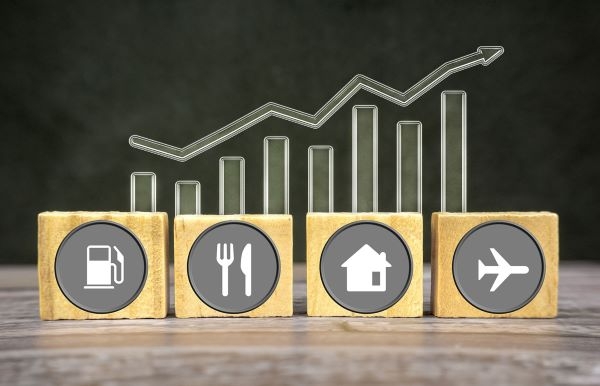
What Causes High Prices?
High prices are a common concern for households, businesses, and governments alike. Whether it’s the rising cost of groceries, housing, or fuel, understanding why prices increase is essential for making informed financial decisions and shaping effective economic policies. High prices are not caused by a single factor; rather, they result from a combination of forces that influence supply, demand, production costs, and monetary conditions. This article explores the key drivers behind high prices and how they interact within the broader economy.
1. Demand-Pull Factors
One of the most fundamental causes of high prices is strong consumer demand. When people have more money to spend—due to wage increases, tax cuts, or government stimulus—they tend to buy more goods and services. If demand rises faster than supply, businesses respond by increasing prices.
For example, during periods of economic growth, consumers feel more confident and spend more freely. This surge in demand can lead to shortages, especially if producers cannot keep up. As a result, prices rise. This phenomenon is often referred to as “demand-pull inflation,” where demand literally pulls prices upward.
2. Cost-Push Pressures
Another major driver of high prices is the increase in production costs. Businesses rely on inputs such as raw materials, labor, and energy. When the cost of these inputs rises, companies often pass those costs on to consumers in the form of higher prices.
For instance, if oil prices increase, transportation and manufacturing costs also rise. Similarly, if wages increase significantly, businesses may raise prices to maintain profitability. This is known as “cost-push inflation,” where higher costs push prices upward across the economy.
3. Supply Chain Disruptions
Modern economies depend on complex global supply chains. When these systems are disrupted, shortages can occur, leading to higher prices. Events such as natural disasters, pandemics, or geopolitical conflicts can interrupt the production and transportation of goods.
A recent example is the global supply chain disruption during the COVID-19 pandemic. Factory shutdowns, shipping delays, and labor shortages reduced the availability of goods, from electronics to automobiles. With fewer products available and demand still strong, prices rose significantly.
4. Monetary Policy and Money Supply
Central banks play a crucial role in influencing price levels through monetary policy. When a central bank increases the money supply—by lowering interest rates or purchasing financial assets—it encourages borrowing and spending. While this can stimulate economic growth, it can also lead to higher prices if too much money chases too few goods.
Low interest rates make loans cheaper, encouraging consumers to spend and businesses to invest. However, if this expansion is not matched by an increase in production, it can create inflationary pressure. Conversely, tightening monetary policy (raising interest rates) is often used to control rising prices.
5. Exchange Rates and Import Costs
In a globalized economy, exchange rates significantly affect prices. When a country’s currency weakens, imports become more expensive. Since many countries rely on imported goods—such as fuel, food, and machinery—this can lead to higher domestic prices.
For example, if a country imports oil and its currency depreciates, it will need to pay more for the same amount of oil. This increase can ripple through the economy, raising transportation costs and, ultimately, the prices of many goods and services.
6. Government Policies and Taxes
Government actions can also contribute to high prices. Taxes, tariffs, and regulations can increase the cost of producing and selling goods. For instance, higher sales taxes directly raise the price consumers pay at checkout.
Tariffs on imported goods are another example. While they may be intended to protect domestic industries, tariffs often make foreign products more expensive. This can reduce competition and allow domestic producers to raise their prices as well.
7. Market Structure and Competition
The level of competition in a market plays a significant role in determining prices. In highly competitive markets, businesses are pressured to keep prices low to attract customers. However, in markets dominated by a few large firms (oligopolies) or a single company (monopolies), there is less incentive to keep prices down.
When competition is limited, companies may have greater control over pricing and can charge higher prices without losing customers. This is particularly evident in industries with high barriers to entry, such as utilities or telecommunications.
8. Expectations and Consumer Behavior
Expectations about future prices can also influence current price levels. If businesses expect costs to rise, they may increase prices in advance. Similarly, if consumers anticipate higher prices in the future, they may rush to buy now, increasing demand and pushing prices up further.
This self-reinforcing cycle can make inflation more persistent. For example, if workers expect higher living costs, they may demand higher wages, which in turn increases production costs and leads to further price increases.
9. Scarcity of Resources
Limited availability of key resources can drive up prices. Natural resources such as oil, minerals, and agricultural products are subject to supply constraints. Factors like poor harvests, environmental changes, or depletion of resources can reduce supply and increase prices.
For instance, droughts can reduce crop yields, leading to higher food prices. Similarly, shortages of critical materials like semiconductors can disrupt entire industries and cause price increases across multiple sectors.
10. Global Events and Uncertainty
Large-scale global events can have a profound impact on prices. Wars, pandemics, and financial crises can disrupt production, trade, and investment. These disruptions often create uncertainty, which can lead to higher costs and reduced supply.
Uncertainty can also cause businesses to act cautiously, limiting production or raising prices to protect against potential losses. At the same time, investors may shift their money into safer assets, affecting currency values and further influencing prices.
Conclusion
High prices are the result of a complex interplay of economic forces rather than a single cause. Demand surges, rising production costs, supply chain disruptions, monetary policy, exchange rates, government actions, market structures, expectations, resource scarcity, and global events all contribute to the overall price level.
Understanding these factors is crucial for individuals managing their budgets, businesses setting strategies, and policymakers designing economic measures. While high prices can pose challenges, they also provide signals about the state of the economy—highlighting imbalances between supply and demand and guiding decisions that can help restore stability.
In the end, addressing high prices requires a balanced approach that considers both short-term pressures and long-term structural factors. By recognizing the underlying causes, societies can better navigate periods of rising prices and work toward sustainable economic growth.
- Arts
- Business
- Computers
- Juegos
- Health
- Home
- Kids and Teens
- Money
- News
- Personal Development
- Recreation
- Regional
- Reference
- Science
- Shopping
- Society
- Sports
- Бизнес
- Деньги
- Дом
- Досуг
- Здоровье
- Игры
- Искусство
- Источники информации
- Компьютеры
- Личное развитие
- Наука
- Новости и СМИ
- Общество
- Покупки
- Спорт
- Страны и регионы
- World

 English
 Russian
 French
 Portuguese
 Deutsch
 Turkish
 Dutch
Dutch
 Italiano
 Arabic
 Romaian
 Portuguese (Brazil)
 Greek
Greek