
Why do people procrastinate?
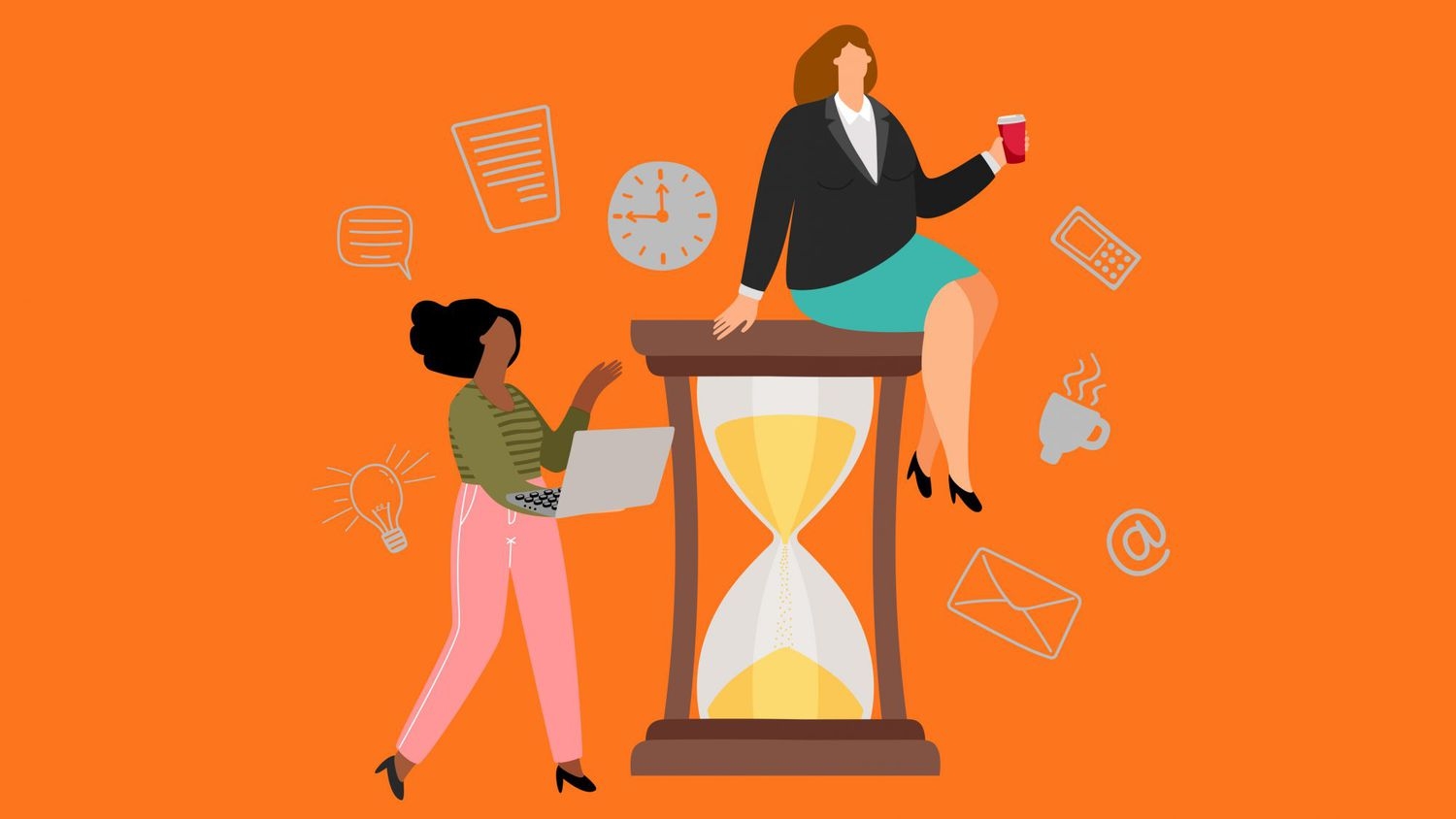
Why Do People Procrastinate?
People procrastinate for a wide range of reasons, but the underlying cause is rarely simple laziness or lack of discipline. In psychological terms, procrastination is a self-regulation failure, where immediate emotional responses override long-term intentions. Even highly capable and motivated individuals procrastinate regularly, which indicates that the behavior is rooted in how the brain processes emotion, reward, time, and cognitive effort—not in intelligence or moral character.
To understand why people procrastinate, we need to analyze it through multiple lenses: emotional regulation, cognitive mechanisms, motivation systems, behavioral conditioning, and environmental influences.
1. Emotional Avoidance: The Primary Driver
The most widely accepted explanation in modern psychology is that procrastination is fundamentally about avoiding negative emotions.
When a task triggers feelings such as:
-
Anxiety
-
Boredom
-
Frustration
-
Self-doubt
-
Overwhelm
The brain tends to prioritize immediate emotional relief over long-term goals.
Instead of engaging with the task, the individual avoids it, which temporarily reduces discomfort.
This creates a reinforcement loop:
-
Task causes discomfort
-
Task is avoided
-
Emotional relief is experienced
-
Avoidance becomes more likely in the future
Over time, the brain learns that avoidance is an effective short-term strategy, even if it leads to negative long-term consequences.
2. Task Aversiveness and Perceived Difficulty
People are more likely to procrastinate tasks that feel emotionally or cognitively unpleasant.
These include tasks that are:
-
Boring or repetitive
-
Complex or mentally demanding
-
Unclear or ambiguous
-
High-stakes (fear of failure or judgment)
Importantly, procrastination is based on perceived difficulty, not objective difficulty.
For example:
-
Writing a simple email may be procrastinated if it feels socially risky
-
A complex task may be avoided if it feels overwhelming or unclear
The brain tends to avoid tasks that generate negative emotional anticipation, regardless of their actual difficulty.
3. The Role of Immediate vs Delayed Rewards
Human motivation is strongly influenced by reward timing.
The brain naturally prefers:
-
Immediate rewards (comfort, entertainment, stimulation)
over -
Delayed rewards (long-term achievement, success, completion)
This is due to a cognitive bias known as temporal discounting, where future rewards are perceived as less valuable than immediate ones.
As a result:
-
Watching videos or scrolling social media feels more rewarding in the moment than studying or working
-
Even if long-term consequences are negative, immediate reward often wins
This imbalance between short-term and long-term valuation is a core reason for procrastination.
4. Executive Function Limitations
Executive function refers to cognitive processes responsible for:
-
Planning
-
Task initiation
-
Inhibitory control
-
Working memory
-
Self-regulation
Procrastination often occurs when executive control is weakened or overloaded.
This can happen due to:
-
Mental fatigue
-
Stress
-
Sleep deprivation
-
Cognitive overload
When executive function is impaired:
-
Starting tasks becomes harder
-
Distractions become more appealing
-
Long-term goals lose cognitive priority
In this state, procrastination becomes more likely even if motivation is present.
5. Task Initiation Difficulty
One of the most critical aspects of procrastination is starting difficulty.
Many people do not struggle with completing tasks once they begin—they struggle with initiating them.
This happens because:
-
The beginning of a task often feels ambiguous
-
Effort must be expended before progress is visible
-
Cognitive resistance is highest at the start
Once momentum is built, the brain shifts into a more engaged state. However, the initiation barrier often causes delay behavior.
6. Anxiety and Fear-Based Avoidance
Anxiety plays a major role in procrastination.
Common anxiety-driven patterns include:
-
Fear of failure → avoidance of starting
-
Fear of imperfection → delaying until “perfect conditions”
-
Fear of evaluation → postponing visible work
These fears create emotional discomfort that the brain seeks to escape through avoidance.
This is particularly common in tasks involving:
-
Academic performance
-
Creative output
-
Public evaluation
-
High personal expectations
The paradox is that avoidance temporarily reduces anxiety but increases it long-term.
7. Cognitive Overload and Decision Fatigue
When tasks are complex or numerous, the brain can become overloaded.
This leads to:
-
Difficulty deciding where to start
-
Mental fatigue before action begins
-
Avoidance due to perceived effort cost
This is often seen in situations where:
-
Multiple tasks compete for attention
-
There is no clear prioritization
-
Tasks require multi-step planning
When cognitive load is high, procrastination becomes a form of mental escape from decision-making pressure.
8. Lack of Clarity and Task Ambiguity
People are more likely to procrastinate when they do not clearly understand:
-
What needs to be done
-
How to begin
-
What the next step is
Ambiguity increases cognitive resistance because the brain prefers structured, predictable tasks.
Unclear tasks create:
-
Mental friction
-
Uncertainty about effort required
-
Reduced motivation to engage
As a result, the task is postponed until clarity improves (often artificially through deadlines).
9. Dopamine and Reward System Imbalance
The brain’s reward system, driven largely by dopamine, plays a significant role in procrastination.
Activities that are:
-
Stimulating
-
Novel
-
Fast-rewarding
(e.g., social media, gaming, entertainment) produce quick dopamine responses.
In contrast, important tasks often:
-
Require sustained effort
-
Provide delayed rewards
-
Lack immediate stimulation
This mismatch leads the brain to favor short-term rewarding activities over long-term productive ones.
Over time, frequent engagement with high-stimulation activities can further reduce tolerance for low-reward tasks.
10. Habit Formation and Behavioral Conditioning
Procrastination is often reinforced through habit loops.
A typical pattern looks like:
-
Task feels uncomfortable
-
Person avoids task
-
Relief or pleasure is experienced
-
Brain reinforces avoidance behavior
Repeated over time, this becomes automatic.
Eventually:
-
Avoidance becomes the default response
-
Starting work feels increasingly unnatural
-
Delaying becomes habitual rather than deliberate
This is why procrastination often feels “automatic” rather than intentional.
11. Perfectionism and Unrealistic Standards
Perfectionism is a major psychological driver of procrastination.
People who hold excessively high standards may:
-
Delay starting until conditions feel ideal
-
Avoid tasks due to fear of imperfect outcomes
-
Engage in excessive planning instead of execution
This creates a paradox:
The desire to do something perfectly prevents doing it at all.
Perfectionism increases the perceived cost of starting, which leads to delay behavior.
12. Low Energy and Physiological Factors
Procrastination is also influenced by physical state.
Factors such as:
-
Fatigue
-
Poor sleep
-
Low nutrition
-
Stress
-
Sedentary behavior
reduce cognitive capacity and executive function.
When energy is low:
-
Tasks feel more difficult
-
Motivation decreases
-
Immediate rewards become more appealing
This makes procrastination more likely as a form of energy conservation.
13. Environmental Distractions and Design
Modern environments are optimized for distraction rather than sustained attention.
Common triggers include:
-
Notifications
-
Social media
-
Easy access to entertainment
-
Multitasking environments
These external cues constantly compete with task-related attention.
Even strong motivation can be disrupted if:
-
The environment repeatedly redirects attention
-
Frictionless distractions are available
Environment therefore plays a significant role in enabling or preventing procrastination.
14. Identity and Self-Concept
People sometimes internalize procrastination as part of their identity:
-
“I work better under pressure”
-
“I always start late but finish somehow”
These beliefs reinforce behavior patterns by:
-
Justifying delay
-
Reducing urgency to change
-
Normalizing avoidance behavior
Identity-based reinforcement makes procrastination more persistent over time.
15. Conclusion
People procrastinate not because of a single cause, but due to an interaction of emotional, cognitive, behavioral, and environmental factors. At its core, procrastination is a short-term emotional regulation strategy that conflicts with long-term goals.
The main drivers include:
-
Emotional avoidance of discomfort
-
Preference for immediate rewards over delayed outcomes
-
Executive function limitations
-
Task initiation difficulty
-
Anxiety and fear-based thinking
-
Cognitive overload and decision fatigue
-
Reward system imbalances (dopamine-driven behavior)
-
Habitual avoidance conditioning
-
Perfectionism and unrealistic standards
-
Low physiological energy
-
Distracting environments
-
Identity-based reinforcement
Ultimately, procrastination is best understood not as a character flaw, but as a predictable outcome of how the human brain balances emotion, effort, and reward under conditions of cognitive constraint and environmental pressure.
- Arts
- Business
- Computers
- Jeux
- Health
- Domicile
- Kids and Teens
- Argent
- News
- Personal Development
- Recreation
- Regional
- Reference
- Science
- Shopping
- Society
- Sports
- Бизнес
- Деньги
- Дом
- Досуг
- Здоровье
- Игры
- Искусство
- Источники информации
- Компьютеры
- Личное развитие
- Наука
- Новости и СМИ
- Общество
- Покупки
- Спорт
- Страны и регионы
- World

 English
 Russian
 Spanish
 Portuguese
 Deutsch
 Turkish
 Dutch
Dutch
 Italiano
 Arabic
 Romaian
 Portuguese (Brazil)
 Greek
Greek