
What Are the Latest Trends in Facility Management?
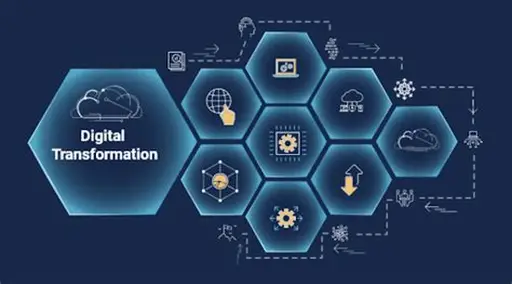
Facility management is rapidly evolving due to technological advancements, changing workplace models, and increasing focus on sustainability. Modern facility managers are no longer just responsible for maintenance—they now play a strategic role in improving efficiency, supporting business operations, and enhancing user experience.
Understanding the latest trends in facility management is essential for organizations that want to remain competitive, reduce costs, and create smarter, more sustainable environments.
Understanding Trends in Facility Management
Trends in facility management reflect the changing priorities of organizations and advancements in technology. These trends influence how facilities are operated, maintained, and optimized.
They are driven by:
- Digital transformation
- Sustainability goals
- Workplace changes
- Cost optimization needs
Facility managers must adapt to these trends to stay effective.
1. Smart Buildings and IoT Integration
One of the most significant trends is the rise of smart buildings.
Smart buildings use:
- IoT sensors
- Automated systems
- Real-time monitoring
These technologies enable:
- Improved energy efficiency
- Predictive maintenance
- Enhanced occupant comfort
Smart buildings are becoming the standard for modern facilities.
2. Data-Driven Decision Making
Data is becoming central to facility management.
Facility managers now rely on:
- Real-time data analytics
- Performance dashboards
- Predictive insights
Data helps:
- Identify inefficiencies
- Optimize operations
- Improve planning
This trend is transforming decision-making processes.
3. Sustainability and Green Practices
Sustainability is a major focus in facility management.
Organizations are adopting:
- Energy-efficient systems
- Renewable energy sources
- Waste reduction programs
- Green building certifications
Sustainable practices reduce environmental impact and operational costs.
4. Hybrid Work and Flexible Spaces
The shift to hybrid work has changed how facilities are used.
Facility managers are adapting by:
- Redesigning office layouts
- Implementing hot-desking
- Optimizing space utilization
Flexible workspaces improve efficiency and reduce unused space.
5. Predictive Maintenance
Predictive maintenance is replacing traditional reactive approaches.
Using AI and IoT, facility managers can:
- Predict equipment failures
- Schedule maintenance proactively
- Reduce downtime
This improves asset performance and reduces costs.
6. Integration of Facility Management Systems
Modern facilities use integrated systems such as:
- CMMS
- CAFM
- IWMS (Integrated Workplace Management Systems)
Integration allows:
- Centralized data management
- Better coordination
- Improved efficiency
This trend simplifies complex operations.
7. Focus on Employee Experience
Facility management is increasingly focused on user experience.
This includes:
- Comfortable working environments
- Improved indoor air quality
- Smart lighting and temperature control
Happy and comfortable employees are more productive.
8. Automation and Artificial Intelligence
Automation and AI are transforming facility operations.
They enable:
- Automated system control
- Intelligent decision-making
- Reduced manual tasks
AI helps facilities operate more efficiently and intelligently.
9. Energy Management and Efficiency
Energy optimization continues to be a top priority.
Facility managers use:
- Energy management systems
- Smart meters
- Real-time monitoring tools
This reduces costs and supports sustainability goals.
10. Cybersecurity in Smart Facilities
As facilities become more connected, cybersecurity is becoming critical.
Facility managers must protect:
- Building management systems
- IoT devices
- Sensitive operational data
Security is now an essential part of facility management.
11. Outsourcing and Integrated Services
Many organizations are outsourcing facility services.
This includes:
- Cleaning
- Maintenance
- Security
Integrated service providers offer:
- Cost efficiency
- Specialized expertise
- Streamlined operations
12. Digital Twins and Simulation
Digital twin technology is an emerging trend.
It involves creating virtual models of buildings to:
- Simulate performance
- Predict issues
- Optimize operations
This technology enhances planning and decision-making.
13. Health and Safety Focus
Health and safety have gained increased importance.
Facility managers are focusing on:
- Air quality monitoring
- Hygiene standards
- Emergency preparedness
This trend has grown significantly in recent years.
14. Mobile and Remote Facility Management
Mobile technology allows facility managers to work remotely.
They can:
- Monitor systems
- Manage work orders
- Access data from anywhere
This improves flexibility and responsiveness.
15. Continuous Learning and Skill Development
As the industry evolves, facility managers must continuously update their skills.
Focus areas include:
- Technology
- Sustainability
- Data analytics
Continuous learning is essential for staying competitive.
Challenges in Adopting New Trends
Organizations may face challenges such as:
- High implementation costs
- Resistance to change
- Integration issues with legacy systems
- Lack of skilled professionals
Proper planning helps overcome these barriers.
Strategic Importance of Following Trends
Adopting modern trends helps organizations:
- Improve efficiency
- Reduce costs
- Enhance sustainability
- Stay competitive
Facility management is becoming a strategic business function.
Future Outlook
The future of facility management will be shaped by:
- Increased automation
- Smarter buildings
- Greater sustainability focus
- Advanced data analytics
These trends will continue to transform the industry.
Conclusion
Facility management is evolving rapidly with the introduction of new technologies, sustainability initiatives, and changing workplace dynamics. From smart buildings and predictive maintenance to hybrid workspaces and AI-driven automation, these trends are redefining how facilities are managed.
Organizations that embrace these trends will be better positioned to improve efficiency, reduce costs, and create high-performing, future-ready environments.
- Arts
- Business
- Computers
- Oyunlar
- Health
- Home
- Kids and Teens
- Money
- News
- Personal Development
- Recreation
- Regional
- Reference
- Science
- Shopping
- Society
- Sports
- Бизнес
- Деньги
- Дом
- Досуг
- Здоровье
- Игры
- Искусство
- Источники информации
- Компьютеры
- Личное развитие
- Наука
- Новости и СМИ
- Общество
- Покупки
- Спорт
- Страны и регионы
- World

 English
 Russian
 French
 Spanish
 Portuguese
 Deutsch
 Dutch
Dutch
 Italiano
 Arabic
 Romaian
 Portuguese (Brazil)
 Greek
Greek