
Best Time Management Techniques for Admins
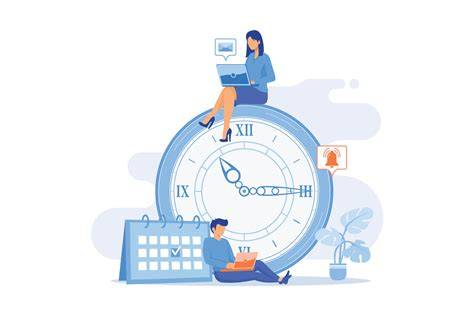
Time management is one of the most critical skills for administrative professionals. Office administrators often juggle multiple responsibilities, including scheduling, communication, document management, and coordination across departments. Without effective time management, tasks can quickly become overwhelming, leading to missed deadlines, increased stress, and reduced productivity.
Mastering time management techniques allows admins to work efficiently, stay organized, and maintain control over their workload—even in fast-paced environments.
Understanding Time Management in Administration
Time management refers to the ability to plan, organize, and control how time is spent on tasks.
For administrative professionals, it involves:
- Prioritizing tasks
- Managing schedules
- Meeting deadlines
- Handling interruptions
Effective time management ensures that important tasks are completed on time without unnecessary stress.
Why Time Management Is Important for Admins
Administrative roles require handling many tasks simultaneously.
Good time management helps:
- Improve productivity
- Reduce stress
- Increase efficiency
- Enhance job performance
- Maintain work-life balance
It is essential for both personal success and organizational effectiveness.
Start with Daily Planning
Planning your day is the foundation of time management.
Each morning:
- List your tasks
- Identify priorities
- Allocate time for each activity
A clear plan helps you stay focused and organized.
Prioritize Tasks Using the Eisenhower Matrix
The Eisenhower Matrix is a popular prioritization method.
Tasks are divided into four categories:
- Urgent and important
- Important but not urgent
- Urgent but not important
- Neither urgent nor important
This helps you focus on what truly matters.
Use Digital Calendar Tools
Calendars are essential for managing time.
Tools like Microsoft Outlook help:
- Schedule meetings
- Set reminders
- Track deadlines
Digital calendars improve organization and efficiency.
Apply Time Blocking
Time blocking involves scheduling specific time slots for tasks.
Benefits include:
- Improved focus
- Reduced multitasking
- Better time control
It helps structure your day effectively.
Break Tasks into Smaller Steps
Large tasks can be overwhelming.
To manage them:
- Divide tasks into smaller parts
- Focus on one step at a time
This makes tasks more manageable and less stressful.
Avoid Multitasking
Multitasking reduces efficiency and increases errors.
Instead:
- Focus on one task at a time
- Complete tasks before switching
Single-tasking improves productivity and accuracy.
Set Realistic Deadlines
Unrealistic deadlines can cause stress.
To manage time effectively:
- Estimate task duration accurately
- Allow buffer time
- Avoid overloading your schedule
Realistic planning improves efficiency.
Use the 80/20 Rule (Pareto Principle)
The 80/20 rule suggests that:
- 80% of results come from 20% of efforts
Focus on high-impact tasks to maximize productivity.
Minimize Distractions
Distractions waste valuable time.
Common distractions include:
- Social media
- Unnecessary meetings
- Interruptions
Reducing distractions improves focus.
Manage Emails Efficiently
Emails can consume a significant amount of time.
To manage them:
- Check emails at scheduled times
- Use folders and filters
- Avoid constant checking
Efficient email management saves time.
Use Task Management Tools
Task management tools help track progress.
Examples include:
- To-do lists
- Digital task apps
- Project management tools
These tools improve organization and accountability.
Delegate Tasks When Possible
Delegation is an important skill.
You should:
- Assign tasks to others when appropriate
- Focus on high-priority work
Delegation improves efficiency and teamwork.
Take Regular Breaks
Breaks are essential for maintaining focus.
Short breaks help:
- Reduce fatigue
- Improve concentration
- Increase productivity
Working without breaks reduces efficiency.
Learn to Say No
Taking on too many tasks can overwhelm your schedule.
You should:
- Set boundaries
- Decline unnecessary tasks
- Focus on priorities
This helps maintain control over your workload.
Stay Organized
Organization supports time management.
You should:
- Keep files structured
- Maintain clean workspaces
- Track tasks and deadlines
Organization reduces wasted time.
Use Automation Tools
Automation can save time on repetitive tasks.
Examples include:
- Email filters
- Automatic reminders
- Scheduling tools
Automation improves efficiency.
Track Your Time
Understanding how you spend time is important.
You can:
- Monitor time spent on tasks
- Identify inefficiencies
- Adjust your schedule
Time tracking helps improve productivity.
Improve Communication
Clear communication prevents delays.
You should:
- Provide clear instructions
- Confirm understanding
- Share updates
Good communication saves time.
Batch Similar Tasks
Grouping similar tasks improves efficiency.
For example:
- Respond to emails at once
- Handle paperwork in one session
Batching reduces task-switching time.
Set Goals and Deadlines
Goals provide direction.
You should:
- Set daily and weekly goals
- Track progress
- Adjust plans as needed
Goals improve focus and motivation.
Stay Flexible
Unexpected tasks may arise.
To manage them:
- Adjust priorities
- Update your schedule
- Stay calm
Flexibility ensures adaptability.
Develop Consistent Routines
Routines improve efficiency.
Daily habits may include:
- Planning tasks
- Reviewing schedules
- Organizing workspaces
Consistency reduces decision-making time.
Avoid Procrastination
Procrastination wastes time.
To overcome it:
- Start tasks immediately
- Break tasks into smaller steps
- Set deadlines
Taking action improves productivity.
Use Productivity Techniques
Several techniques can improve time management.
Examples include:
- Pomodoro Technique (work in short intervals)
- Time blocking
- Priority-based planning
These methods enhance focus and efficiency.
Maintain Work-Life Balance
Balance is important for long-term productivity.
You should:
- Set work boundaries
- Take time off
- Avoid overworking
Balance prevents burnout.
Continuously Improve Skills
Time management improves with practice.
You can:
- Learn new techniques
- Use better tools
- Reflect on your performance
Continuous improvement leads to better results.
Common Mistakes to Avoid
Avoid these time management errors:
- Poor planning
- Overcommitting
- Ignoring priorities
- Multitasking excessively
Avoiding mistakes improves efficiency.
Benefits of Effective Time Management
Good time management leads to:
- Increased productivity
- Reduced stress
- Better performance
- Improved job satisfaction
It is essential for success in administration.
Long-Term Impact of Time Management
Over time, strong time management skills:
- Build reliability
- Improve career growth
- Enhance professional reputation
They are critical for long-term success.
Conclusion
Time management is a vital skill for administrative professionals. By planning tasks, prioritizing effectively, using digital tools, and minimizing distractions, admins can handle their responsibilities efficiently and maintain control over their workload.
Mastering time management techniques not only improves productivity but also reduces stress and enhances overall job performance. With consistent practice and the right strategies, any admin can become highly effective in managing time.
- Arts
- Business
- Computers
- Giochi
- Health
- Home
- Kids and Teens
- Money
- News
- Personal Development
- Recreation
- Regional
- Reference
- Science
- Shopping
- Society
- Sports
- Бизнес
- Деньги
- Дом
- Досуг
- Здоровье
- Игры
- Искусство
- Источники информации
- Компьютеры
- Личное развитие
- Наука
- Новости и СМИ
- Общество
- Покупки
- Спорт
- Страны и регионы
- World

 English
 Russian
 French
 Spanish
 Portuguese
 Deutsch
 Turkish
 Dutch
Dutch
 Arabic
 Romaian
 Portuguese (Brazil)
 Greek
Greek