
Should Governments Control Prices?
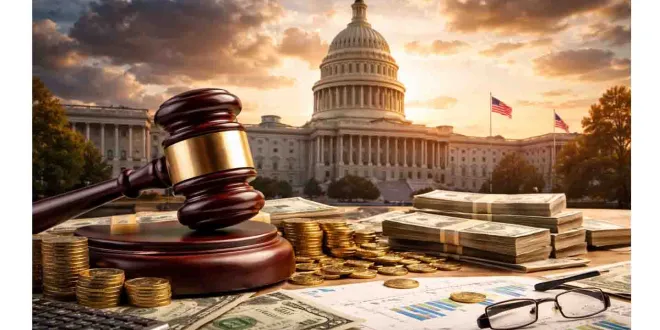
Should Governments Control Prices?
The question of whether governments should control prices has been debated for centuries, sitting at the heart of economic philosophy and public policy. Price controls—government-imposed limits on how high or low a price can be—typically take the form of price ceilings (maximum prices) or price floors (minimum prices). While they are often introduced with good intentions, such as protecting consumers or stabilizing markets, their real-world effects are complex and sometimes counterproductive.
Understanding Price Controls
In a free market, prices are determined by supply and demand. As described by classical economists like Adam Smith, prices act as signals: they communicate scarcity, guide production, and allocate resources efficiently. When governments intervene and fix prices, they disrupt this natural signaling mechanism.
A price ceiling, for example, might be used to keep essential goods affordable—such as rent control in housing markets or caps on food prices during crises. A price floor, on the other hand, is often used to ensure fair income for producers, such as minimum wage laws or agricultural price supports.
Arguments in Favor of Price Controls
Supporters of price controls argue that markets do not always produce fair or desirable outcomes. There are several key reasons governments might step in:
1. Protecting Consumers
In times of crisis—war, natural disasters, or inflation spikes—prices for essential goods can soar. Governments may impose price ceilings to prevent “price gouging,” ensuring that basic necessities like food, fuel, and medicine remain accessible to everyone.
2. Promoting Social Equity
Unregulated markets can lead to significant inequalities. For example, without rent controls, housing in major cities can become unaffordable for lower-income residents. Price controls can help redistribute economic benefits and reduce inequality.
3. Stabilizing the Economy
Sudden price fluctuations can create uncertainty and harm economic stability. Governments may intervene to smooth out extreme volatility, especially in critical sectors like energy or agriculture.
4. Supporting Producers
Price floors can protect workers and businesses from exploitation. Minimum wage laws, for instance, aim to ensure a basic standard of living for employees.
Arguments Against Price Controls
Despite their appeal, many economists caution against price controls due to their unintended consequences.
1. Shortages and Surpluses
When prices are artificially set below market equilibrium, demand typically exceeds supply. This can lead to shortages, as seen in cases of rent control where housing supply diminishes over time. Conversely, price floors can create surpluses—like excess agricultural products that go unsold.
2. Reduced Incentives
Price controls can discourage producers from supplying goods. If a price ceiling makes production unprofitable, businesses may reduce output or exit the market altogether. This can worsen the very problem the policy was meant to solve.
3. Black Markets
When official prices are too low, informal or illegal markets often emerge. Goods may be sold “under the table” at higher prices, undermining the effectiveness of the policy and creating enforcement challenges.
4. Misallocation of Resources
Prices help allocate resources efficiently. When governments interfere, resources may not go where they are most needed. For example, artificially cheap fuel might encourage overconsumption and environmental harm.
Real-World Examples
History provides numerous examples of price controls with mixed results.
-
Rent Control in Cities
Cities like New York and Berlin have implemented rent controls to make housing affordable. While these policies have helped some tenants, critics argue they have reduced the overall housing supply and discouraged new construction. -
Fuel Price Caps
Some countries impose limits on gasoline prices to protect consumers. While this can ease short-term pain, it often leads to fuel shortages or government subsidies that strain public finances. -
Minimum Wage Laws
Minimum wages are a form of price floor for labor. While they can raise incomes for workers, debates continue about their impact on employment levels and business costs.
When Do Price Controls Work?
Price controls are not always ineffective. Under certain conditions, they can achieve their intended goals—especially when applied carefully and temporarily.
1. Short-Term Emergencies
During crises, temporary price controls can prevent panic and ensure fair access to essential goods. For example, during wartime or natural disasters, they may help stabilize supply chains.
2. Complementary Policies
Price controls are more effective when combined with other measures. For instance, rent control might work better alongside policies that encourage housing construction.
3. Strong Enforcement and Planning
Without proper enforcement, price controls can lead to black markets. Governments need administrative capacity and clear strategies to manage the effects.
The Broader Debate
At its core, the debate over price controls reflects a larger philosophical divide between free-market and interventionist approaches to economics.
Economists influenced by Milton Friedman often argue that markets, while imperfect, are generally the most efficient way to allocate resources. From this perspective, price controls distort incentives and create more problems than they solve.
On the other hand, thinkers like John Maynard Keynes emphasize the role of government in correcting market failures and ensuring economic stability. They argue that strategic intervention, including price controls, can be justified in certain situations.
Conclusion
So, should governments control prices? The answer is not a simple yes or no. Price controls can be useful tools in specific circumstances—particularly during emergencies or when addressing clear market failures. However, they come with significant risks, including shortages, inefficiencies, and unintended economic distortions.
The key lies in balance. Governments must carefully weigh the benefits against the potential downsides and design policies that are targeted, temporary, and supported by broader economic strategies. Used wisely, price controls can help achieve social and economic goals. Used poorly, they can create more harm than good.
Ultimately, the challenge for policymakers is not just whether to control prices, but how to do so in a way that supports both fairness and efficiency in the economy.
- Arts
- Business
- Computers
- Παιχνίδια
- Health
- Κεντρική Σελίδα
- Kids and Teens
- Money
- News
- Personal Development
- Recreation
- Regional
- Reference
- Science
- Shopping
- Society
- Sports
- Бизнес
- Деньги
- Дом
- Досуг
- Здоровье
- Игры
- Искусство
- Источники информации
- Компьютеры
- Личное развитие
- Наука
- Новости и СМИ
- Общество
- Покупки
- Спорт
- Страны и регионы
- World

 English
 Russian
 French
 Spanish
 Portuguese
 Deutsch
 Turkish
 Dutch
Dutch
 Italiano
 Arabic
 Romaian
 Portuguese (Brazil)