
How to create a daily routine?
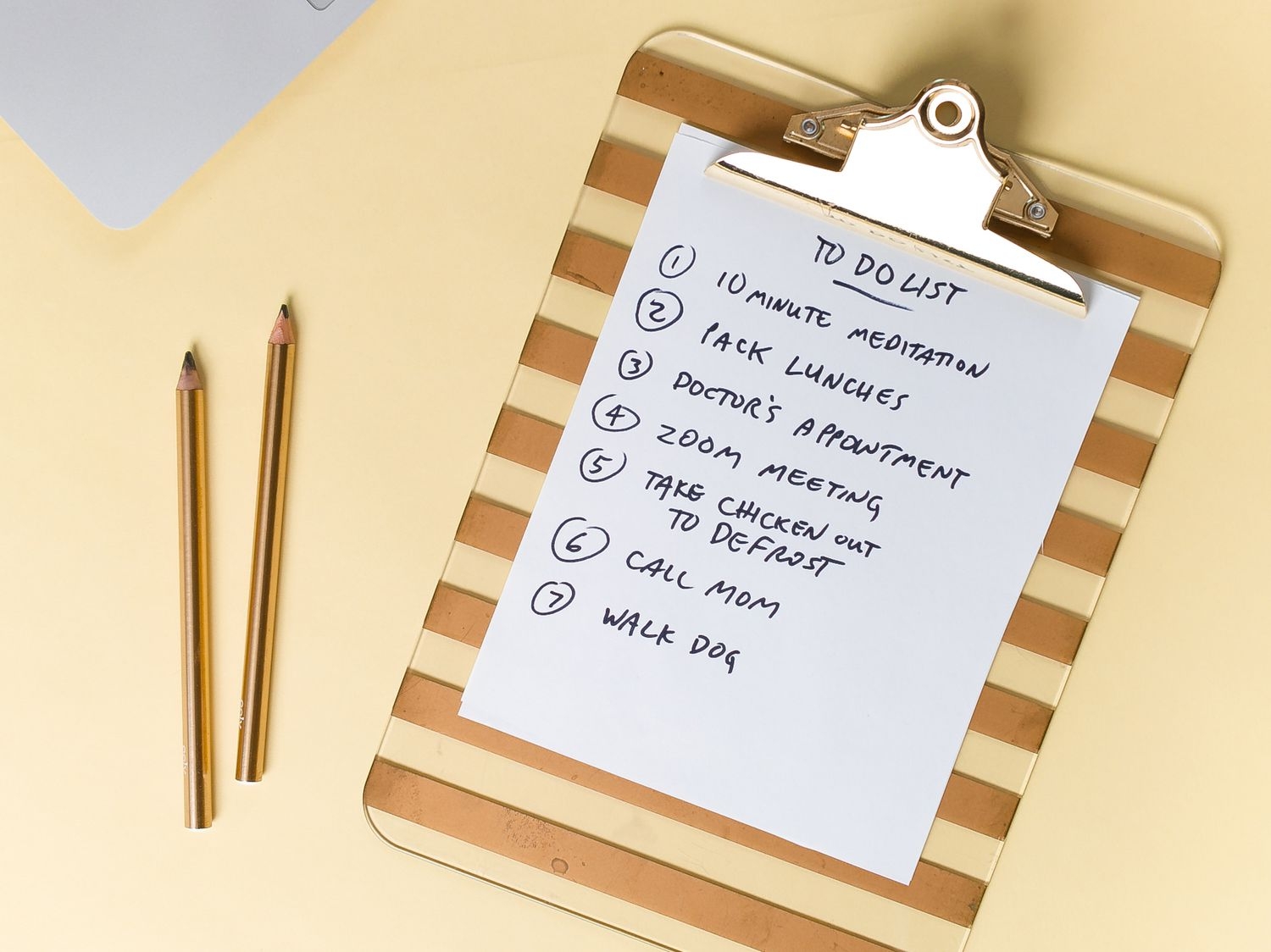
How to Create a Daily Routine
A daily routine is one of the most effective tools for improving productivity, reducing stress, and building long-term discipline. At its core, a routine is a structured sequence of behaviors repeated consistently each day. When designed well, it removes unnecessary decision-making, reduces procrastination, and ensures that important tasks are completed even when motivation is low.
However, many people struggle to create routines that actually stick. They either make them too rigid, too ambitious, or too vague. A successful daily routine is not about perfection—it is about consistency, adaptability, and alignment with your goals and energy levels.
This article provides a detailed, practical framework for building a daily routine that works in real life.
1. Understand What a Daily Routine Actually Is
A daily routine is not a strict schedule that controls every minute of your day. Instead, it is a structured framework that guides your behavior.
A good routine:
-
Reduces decision fatigue
-
Creates consistency
-
Supports long-term goals
-
Improves time awareness
It should feel supportive, not restrictive.
2. Identify Your Goals First
Before creating a routine, you need clarity about what you are trying to achieve.
Ask yourself:
-
What are my priorities?
-
What do I want to improve?
-
What habits will move me forward?
Common goal areas include:
-
Studying or learning
-
Fitness and health
-
Work productivity
-
Personal development
Your routine should reflect your goals, not random habits.
3. Analyze Your Current Day
Before designing a new routine, understand your existing patterns.
Track:
-
When you wake up
-
When you feel most productive
-
When you waste time
-
When you feel tired
This helps you build a realistic routine based on your actual behavior, not idealized expectations.
4. Define Core Activities
A strong routine is built around essential activities.
These typically include:
-
Sleep schedule
-
Work or study blocks
-
Meals
-
Exercise
-
Personal time
Focus on non-negotiable habits first before adding smaller tasks.
5. Structure Your Day Around Energy Levels
Energy is more important than time alone.
Most people experience:
-
High energy periods (morning or early day)
-
Low energy periods (afternoon or evening)
Use this to your advantage:
-
High energy → difficult tasks
-
Low energy → easy tasks
This improves efficiency and reduces burnout.
6. Create Morning and Evening Anchors
Anchors are fixed routines that structure your day.
Morning anchor examples:
-
Wake up at a consistent time
-
Hydrate
-
Plan your day
-
Start first task
Evening anchor examples:
-
Review the day
-
Prepare for tomorrow
-
Wind down
Anchors provide stability even when the rest of the day varies.
7. Use Time Blocks Instead of Fixed Minutes
Rather than scheduling every minute, divide your day into blocks:
Example:
-
Morning block → deep work or study
-
Afternoon block → meetings or tasks
-
Evening block → rest or light work
This allows flexibility while maintaining structure.
8. Prioritize High-Impact Tasks
Your routine should emphasize important tasks.
Ask:
-
What gives the most value?
-
What moves me closer to my goals?
These tasks should be placed during your most productive hours.
9. Keep Your Routine Simple at First
A common mistake is making routines too complex.
Instead:
-
Start with 3–5 key habits
-
Build gradually over time
Simplicity increases consistency.
10. Use Habit Stacking
Habit stacking means linking new habits to existing ones.
Example:
-
After brushing teeth → review daily plan
-
After breakfast → start studying
-
After work → exercise
This reduces friction and makes habits easier to remember.
11. Eliminate Decision Fatigue
Routines reduce the need to constantly decide what to do.
To improve this:
-
Pre-plan tasks
-
Follow consistent schedules
-
Use templates for repetitive work
Fewer decisions = more mental energy.
12. Include Breaks and Rest
A good routine includes rest, not just work.
Breaks:
-
Improve focus
-
Prevent burnout
-
Maintain energy levels
Example:
-
25–50 minutes work
-
5–10 minutes break
Rest is part of productivity, not separate from it.
13. Design for Flexibility
Life is unpredictable. A rigid routine often fails.
Instead:
-
Build buffer time
-
Allow adjustments
-
Avoid over-scheduling
Flexibility ensures long-term sustainability.
14. Reduce Friction for Important Habits
Make good habits easier:
-
Prepare materials in advance
-
Keep tools visible
-
Remove barriers to starting
Example:
-
Keep books open on desk
-
Pre-set workspace
Lower friction increases consistency.
15. Increase Friction for Bad Habits
Make distractions harder:
-
Put phone away
-
Log out of social media
-
Block distracting websites
More friction = fewer impulsive actions.
16. Track Your Routine
Tracking helps you stay consistent.
You can track:
-
Completed habits
-
Missed routines
-
Productivity levels
This builds awareness and accountability.
17. Start Small and Build Gradually
Don’t try to create a perfect routine immediately.
Instead:
-
Start with simple structure
-
Add habits slowly over time
This prevents burnout and increases long-term success.
18. Adjust Based on Feedback
Your routine should evolve.
Ask regularly:
-
What is working?
-
What is not?
-
What should change?
Improvement is continuous.
19. Avoid Overloading Your Day
Too many tasks lead to failure.
Instead:
-
Focus on 2–4 major priorities daily
-
Leave room for flexibility
A realistic routine is more effective than an idealistic one.
20. Build Consistency Over Perfection
A routine does not need to be perfect—it needs to be consistent.
Even imperfect days:
-
Maintain habit continuity
-
Build long-term structure
Consistency matters more than intensity.
Putting It All Together
To create a daily routine:
-
Identify your goals
-
Analyze your current habits
-
Define core activities
-
Structure your day using time blocks
-
Start small and simple
-
Include breaks and flexibility
-
Track and adjust over time
These steps create a stable, sustainable system for daily life.
Conclusion
A well-designed daily routine is not about controlling every moment of your life—it is about creating structure that supports your goals while reducing unnecessary mental effort.
When you:
-
Plan your day intentionally
-
Build consistent habits
-
Reduce friction and distractions
-
Adapt over time
you create a system that naturally supports productivity and discipline.
The key principle is:
A good routine does not restrict you—it frees you from constant decision-making so you can focus on what truly matters.
Over time, your routine becomes the foundation for consistent progress and long-term success.
- Arts
- Business
- Computers
- Игры
- Health
- Главная
- Kids and Teens
- Деньги
- News
- Personal Development
- Recreation
- Regional
- Reference
- Science
- Shopping
- Society
- Sports
- Бизнес
- Деньги
- Дом
- Досуг
- Здоровье
- Игры
- Искусство
- Источники информации
- Компьютеры
- Личное развитие
- Наука
- Новости и СМИ
- Общество
- Покупки
- Спорт
- Страны и регионы
- World

 English
 French
 Spanish
 Portuguese
 Deutsch
 Turkish
 Dutch
Dutch
 Italiano
 Arabic
 Romaian
 Portuguese (Brazil)
 Greek
Greek