
What Are Alternatives to Traditional Office Supplies?
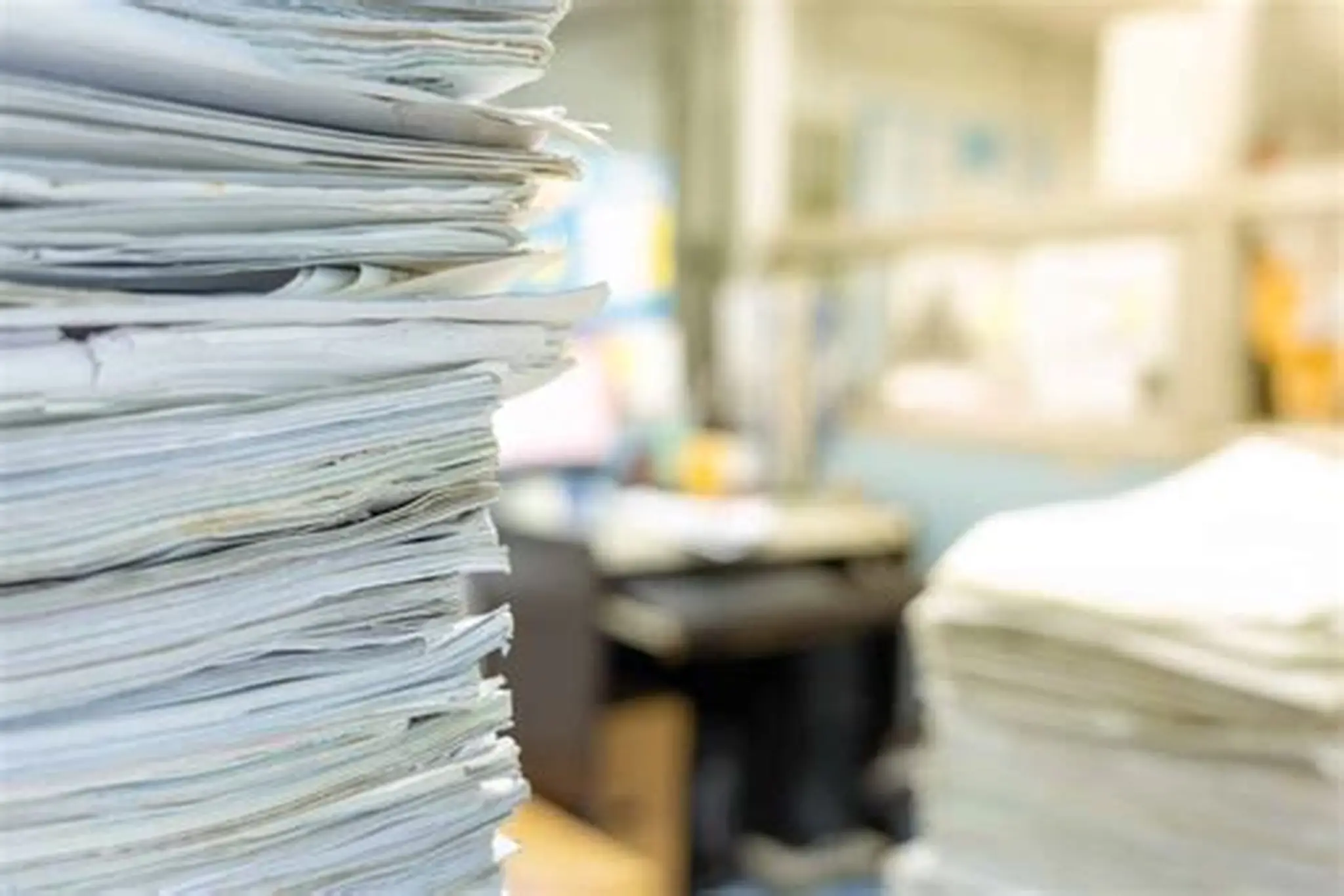
The supply closet looked like a museum exhibit dedicated to workplace habits nobody had questioned in twenty years.
Towering stacks of legal pads. Plastic binders thick enough to stop small projectiles. Drawers full of dried-out highlighters. Three-hole punches nobody had touched since the accounting department moved to cloud storage four years earlier.
And still, every month, more supplies arrived.
That’s the strange inertia of office culture. Businesses continue buying objects long after workflows evolve beyond needing them. Not because the supplies remain useful, necessarily. Because procurement habits tend to outlive operational reality by several fiscal quarters. Sometimes several decades.
The modern office exists in an awkward transitional phase where old tools haven’t fully disappeared, yet newer alternatives keep exposing how inefficient many traditional supplies actually were all along.
But here’s the part companies often misunderstand: replacing office supplies successfully isn’t about becoming aggressively minimalist or theatrically “paperless.” It’s about identifying which tools genuinely improve work and which merely survive through familiarity.
Those are not the same thing.
A surprising number of traditional office supplies still exist because nobody paused long enough to ask a simple question:
Do we still need this?
Most Office Supplies Were Built for Older Problems
That realization changes the entire conversation.
Filing cabinets solved document storage limitations before cloud platforms existed.
Sticky notes compensated for fragmented communication.
Printed calendars managed scheduling before synchronized digital systems became standard.
The tools made sense historically.
But many offices now operate inside entirely different workflows while continuing to purchase supplies designed for operational problems they no longer have.
I once visited a company proudly maintaining rows of color-coded binders for project tracking while employees simultaneously updated identical information inside project management software. Nobody trusted either system completely, so both survived awkwardly beside each other.
Double work disguised as organization.
That happens constantly.
The Supplies Most Offices Are Quietly Abandoning
Not every traditional supply disappeared entirely, but many became dramatically less necessary.
Particularly:
- Filing cabinets
- Paper planners
- Rolodexes
- Printed manuals
- Dry-erase wall calendars
- Fax paper
- Physical routing slips
- CD and DVD storage
Notice the pattern.
Most fading office supplies were built around:
- Information storage
- Distribution
- Scheduling
- Administrative duplication
Digital systems absorbed those functions more efficiently.
But other categories survived because they support cognition and collaboration more directly.
The Most Effective Alternatives Aren’t Always Digital
This part matters.
People often assume office supply alternatives must involve software.
Not necessarily.
Sometimes the strongest replacement is simply a smarter physical tool.
Here’s where the shifts become more interesting:
| Traditional Supply | Modern Alternative | Why Companies Switch | Hidden Tradeoff |
|---|---|---|---|
| Paper Notebooks | Reusable smart notebooks | Reduces paper waste | Learning curve |
| Filing Cabinets | Cloud storage systems | Faster retrieval | Requires digital organization |
| Sticky Notes | Digital task boards | Team visibility | Less physical presence |
| Whiteboards | Interactive displays | Remote collaboration | Higher upfront costs |
| Printer Paper | Shared digital documents | Reduced printing | Screen fatigue |
| Business Cards | QR code contact sharing | Instant updates | Less personal interaction |
| Binders | Collaborative workspaces | Version control | Subscription dependence |
| Desk Phones | Unified communication apps | Mobility and flexibility | Notification overload |
The best alternatives don’t merely replace objects.
They reduce friction.
That distinction matters because workplaces rarely resist change itself. They resist solutions that create new complications while claiming to solve old ones.
Why Reusable Tools Are Growing Quietly Popular
One trend I didn’t expect to see return involves reusable physical supplies.
Reusable notebooks.
Refillable pens.
Erasable writing systems.
At first glance, they sound almost oddly retro.
But they solve a modern frustration: disposable clutter.
Employees increasingly dislike managing overflowing desks filled with half-used materials, expired supplies, and endless paper accumulation. Reusable systems create psychological cleanliness alongside practical efficiency.
I tested a reusable notebook system during a long consulting project a few years ago mostly out of curiosity. What surprised me wasn’t the environmental benefit. It was the reduction in cognitive noise. Fewer scattered notes. Less physical accumulation. Fewer “where did I write that?” moments.
The experience shifted how I think about workplace tools entirely.
Good alternatives simplify attention.
Not just storage.
Cloud Storage Eliminated More Than Filing Cabinets
People usually discuss cloud systems as document solutions.
They’re more than that.
They fundamentally altered office geography.
Entire rooms once dedicated to:
- Archived records
- Printed contracts
- Administrative storage
- Historical documentation
…simply disappeared from some workplaces.
That shift created downstream changes:
- Smaller office footprints
- Faster retrieval systems
- Reduced paper dependency
- Lower storage costs
But cloud storage also introduced new vulnerabilities:
- Version confusion
- Access control issues
- File organization chaos
- Subscription dependency
Every replacement creates different operational risks.
That’s important to acknowledge honestly because workplace technology discussions often oversell simplicity.
Why Digital Task Boards Replaced Sticky Notes — And Why Sticky Notes Still Exist Anyway
This contradiction fascinates me.
Digital task management systems solved several obvious problems:
- Team visibility
- Remote collaboration
- Deadline tracking
- Workflow transparency
And yet physical sticky notes remain everywhere.
Because sticky notes don’t just organize information.
They shape attention physically.
A digital reminder competes against:
- Email notifications
- Chat windows
- Browser tabs
- Calendar alerts
A bright yellow square attached directly to your monitor behaves differently psychologically.
Visibility changes behavior.
That’s why many offices now operate hybrid systems:
- Digital platforms for team coordination
- Physical reminders for personal workflow
The replacement wasn’t total.
It became selective.
Traditional Supplies Often Hide Operational Inefficiency
One reason businesses pursue alternatives involves visibility.
Traditional supply-heavy systems frequently conceal waste remarkably well.
For example:
- Duplicate printed documents
- Obsolete filing systems
- Overstocked stationery
- Unused branded materials
- Archived paperwork nobody accesses
I once helped audit office inventory for a company convinced they had a purchasing problem. In reality, they had a visibility problem. Entire cabinets contained outdated materials employees forgot existed because physical storage naturally obscures information over time.
Digital systems aren’t perfect.
But searchable systems expose inefficiency faster.
That changes organizational behavior gradually.
The Rise of Shared Digital Workspaces
Perhaps the biggest replacement wasn’t for any single supply item.
It was for fragmentation itself.
Shared digital workspaces replaced:
- Printed drafts
- Circulated binders
- Version-heavy email chains
- Physical approval routing
The operational impact became enormous:
- Faster revisions
- Fewer duplicate files
- Reduced printing
- Easier collaboration across locations
But there’s an uncomfortable side effect nobody discusses enough:
constant accessibility often increases cognitive fatigue.
Paper ended conversations naturally.
Digital systems rarely do.
That’s why some physical tools still survive intentionally.
They create boundaries.
Ergonomic Alternatives Became the New “Office Supplies”
Traditional supply budgets increasingly shifted toward physical wellness tools instead:
- Standing desks
- Ergonomic keyboards
- Monitor risers
- Blue-light filters
- Noise-canceling equipment
This evolution says something important about modern work.
As administrative tasks became digitized, physical strain became more visible.
Human bodies remain stubbornly analog regardless of how digital workflows become.
So while paper usage declined, spending on physical comfort often increased simultaneously.
Technology solved certain inefficiencies while exposing entirely different ones.
Why Some Companies Replace Too Much Too Fast
There’s a recurring mistake organizations make during modernization efforts.
They eliminate supplies ideologically instead of operationally.
Everything becomes:
- App-based
- Screen-based
- Cloud-based
- Digitized immediately
Then employees quietly recreate analog workarounds because the replacements introduce friction nobody anticipated.
I remember visiting a startup that proudly removed nearly all physical supplies from workstations. No notebooks. No whiteboards. Minimal printing access. Everything existed digitally.
Within weeks employees began bringing personal notebooks from home because brainstorming sessions became slower and more fragmented without tactile tools nearby.
The company eventually reintroduced selected physical materials.
That experience reinforced something I’ve seen repeatedly:
the strongest systems rarely pursue total replacement.
They pursue intentional replacement.
A Lesson I Learned From a Dead Tablet Battery
Years ago, I attended a strategy workshop where organizers attempted a fully device-based collaboration system. Notes lived digitally. Agendas lived digitally. Group exercises happened through tablets distributed at the entrance.
Halfway through the session, several tablets died simultaneously.
The room stalled almost instantly.
Eventually someone rolled in a whiteboard and handed out markers.
The energy changed immediately. Conversations accelerated. Ideas flowed more naturally.
That moment stayed with me because it exposed something deeper than technological failure. Physical tools often remove layers of operational dependency people don’t consciously notice until systems collapse.
No login.
No software updates.
No battery anxiety.
Just immediacy.
Since then, I’ve stopped viewing office supplies and digital tools as opposing categories entirely.
They’re complementary systems solving different types of friction.
The Smartest Offices Build Hybrid Tool Ecosystems
The strongest workplaces now blend:
- Digital collaboration platforms
- Limited but purposeful printing
- Reusable physical tools
- Shared cloud systems
- Analog brainstorming spaces
Not because they failed to modernize.
Because they recognized different workflows require different environments.
A legal review process may function better digitally.
A creative brainstorming session may improve physically.
Project tracking might thrive online while personal note-taking remains handwritten.
Efficiency rarely emerges from rigid ideology.
It emerges from adaptability.
The Future of Office Supplies Looks Smaller — But Smarter
Traditional office supply closets once emphasized volume:
more paper.
More binders.
More storage.
The future likely emphasizes:
- Multi-purpose tools
- Reusable materials
- Flexible technology
- Lower inventory volume
- Smarter replenishment
- Higher intentionality
Fewer supplies overall.
Better-selected supplies specifically.
That shift feels less dramatic than the “paperless office” predictions from years ago, but far more realistic.
The Real Question Was Never About Supplies
At some point, discussions about office supplies stopped being about staplers and filing folders entirely.
They became conversations about how humans work best.
Some tasks benefit from permanence.
Others need flexibility.
Some workflows thrive digitally.
Others still rely on tactile interaction people struggle to replicate on screens.
The old supply closet filled with obsolete binders wasn’t evidence that physical tools became worthless.
It was evidence that workplaces evolve unevenly.
The challenge isn’t replacing everything traditional.
It’s recognizing which tools still deserve space on the desk once the novelty of newer alternatives fades.
- Arts
- Business
- Computers
- Jogos
- Health
- Início
- Kids and Teens
- Money
- News
- Personal Development
- Recreation
- Regional
- Reference
- Science
- Shopping
- Society
- Sports
- Бизнес
- Деньги
- Дом
- Досуг
- Здоровье
- Игры
- Искусство
- Источники информации
- Компьютеры
- Личное развитие
- Наука
- Новости и СМИ
- Общество
- Покупки
- Спорт
- Страны и регионы
- World

 English
 Russian
 French
 Spanish
 Deutsch
 Turkish
 Dutch
Dutch
 Italiano
 Arabic
 Romaian
 Portuguese (Brazil)
 Greek
Greek