
How Do I Grow Without Relying on Random Sales? Build a Business That Generates Predictability Instead of Adrenaline
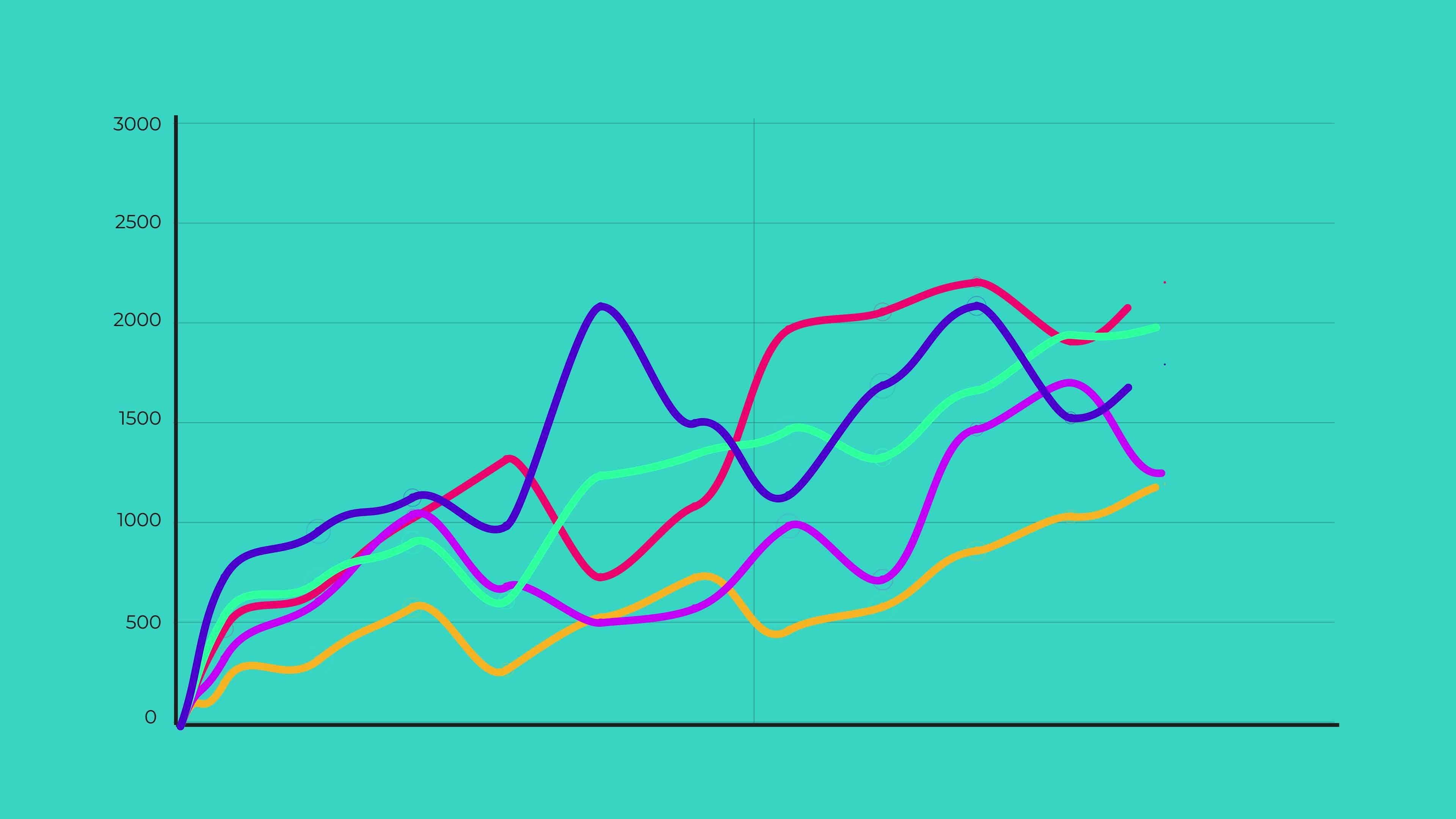
A founder once described his company’s revenue pattern to me like weather.
Some months arrived with unexpected abundance:
- referrals appeared suddenly
- large invoices closed quickly
- inbound interest surged
Then came the dry periods.
Silence.
Panic.
Aggressive outreach campaigns launched at midnight because payroll deadlines suddenly felt emotionally louder than strategy.
He kept calling it “unpredictable growth.”
But unpredictability was not the actual problem.
The real issue was structural dependence on accidental momentum.
Too many businesses operate this way without admitting it openly.
They survive through:
- occasional referrals
- random introductions
- one unusually successful campaign
- a lucky enterprise account
- founder relationships
And when those events happen, leadership mistakes temporary acceleration for sustainable growth.
Until the pipeline weakens again.
That cycle exhausts companies because randomness creates emotional volatility inside the business itself:
- hiring becomes reactive
- forecasting becomes unreliable
- decision-making becomes fear-driven
- customer quality fluctuates
Eventually the organization starts chasing revenue instead of building systems capable of producing it consistently.
And that distinction changes everything.
Because businesses rarely scale sustainably through isolated wins alone.
They grow through repeatability.
Random Sales Feel Exciting Because They Create the Illusion of Momentum
This is important psychologically.
Unexpected deals create emotional relief.
Leadership feels validated temporarily.
Teams regain optimism.
But random sales create dangerous blind spots because they obscure underlying weaknesses:
- inconsistent positioning
- weak retention
- poor forecasting
- unclear targeting
- fragile acquisition channels
A company can survive on unpredictable sales longer than many people expect.
Especially if:
- margins remain healthy
- overhead stays lean
- founders compensate operationally
But eventually randomness creates instability difficult to scale around.
I learned this while advising a B2B software company years ago that appeared healthy externally.
Revenue spikes looked impressive quarterly.
Underneath, growth depended almost entirely on:
- founder relationships
- conference networking
- occasional referrals
No repeatable acquisition engine existed.
When market conditions shifted and referrals slowed, the pipeline collapsed faster than leadership expected possible.
The company didn’t suddenly become bad.
It simply lacked infrastructure beneath the momentum.
Predictable Growth Starts With Understanding Why Customers Actually Buy
Many businesses misunderstand their own growth drivers.
They assume customers purchase because of:
- pricing
- features
- advertising
- outbound outreach
Sometimes partially true.
But sustainable growth usually depends on deeper variables:
- trust
- positioning clarity
- customer experience
- implementation confidence
- reputation
If leadership cannot clearly explain:
- why customers choose them
- why customers stay
- why referrals happen
- which segments convert best
then growth becomes difficult to stabilize because the company is reacting to outcomes instead of understanding causes.
Strong businesses study buying behavior obsessively.
Not just lead volume.
Why Positioning Matters More Than Constant Prospecting
Businesses struggling with inconsistent sales often respond by increasing outreach volume.
More cold emails.
More paid campaigns.
More prospecting automation.
Occasionally this creates temporary improvement.
But weak positioning eventually undermines acquisition efficiency regardless of activity levels.
Because if buyers cannot quickly understand:
- who you serve
- what problem you solve
- why your approach differs
- why the solution matters now
then every sales conversation becomes harder than necessary.
Strong positioning reduces friction before outreach even begins.
Weak positioning forces sales teams to manufacture clarity manually in every interaction.
That becomes exhausting operationally.
A Comparison: Random Sales vs. Predictable Business Growth
| Random Sales Growth | Predictable Growth Systems |
|---|---|
| Revenue spikes unpredictably | Revenue trends stabilize over time |
| Depends on founder relationships | Built on scalable acquisition systems |
| Weak forecasting accuracy | Reliable pipeline visibility |
| Reactive hiring decisions | Strategic resource planning |
| Constant lead panic | Structured customer flow |
| Inconsistent customer quality | Defined ideal customer profiles |
| Sales-heavy trust creation | Brand-supported trust |
| Emotional decision-making | Data-informed stability |
| Acquisition resets repeatedly | Trust compounds continuously |
| Short-term survival focus | Long-term operational planning |
Businesses become calmer once growth stops depending on chance.
And calmer businesses generally make better strategic decisions.
Retention Is More Important Than Most Growth Advice Admits
Acquisition receives enormous attention because acquisition feels visible.
Retention compounds quietly.
Yet companies relying heavily on new sales constantly restart trust from zero.
That becomes expensive:
- financially
- operationally
- emotionally
Businesses with strong retention operate differently because:
- referrals increase naturally
- upsells emerge more easily
- customer acquisition costs decline
- forecasting improves
One consulting client dramatically improved growth not by increasing lead generation, but by reducing onboarding friction and strengthening customer communication after purchase.
Churn dropped.
Referrals increased.
Expansion revenue improved.
Growth stabilized because the company finally stopped leaking trust operationally.
Most Businesses Target Too Broadly
This mistake creates unstable sales constantly.
Companies fear narrowing their audience because specialization feels restrictive.
So they market toward:
- startups
- enterprises
- SMBs
- multiple industries
- unrelated buyer types
The result usually becomes diluted positioning.
Different buyers prioritize different concerns:
- cost savings
- compliance
- implementation simplicity
- scalability
- workflow efficiency
Trying to appeal universally weakens resonance with everyone.
The businesses growing predictably understand:
clarity attracts better customers than broadness.
Especially in B2B markets where buyers want expertise, not general enthusiasm.
Why Systems Matter More Than Motivation
Many founders try solving inconsistent sales through increased effort:
- longer workdays
- more prospecting
- more networking
- more meetings
Effort matters initially.
Systems matter eventually.
Without systems:
- customer follow-up becomes inconsistent
- onboarding quality fluctuates
- referrals happen accidentally
- pipeline visibility weakens
Strong businesses operationalize growth:
- CRM processes
- qualification frameworks
- onboarding systems
- retention workflows
- referral strategies
Not because systems feel exciting.
Because consistency scales better than adrenaline.
My Most Important Lesson About Predictable Growth Came From Burnout
Years ago, I worked closely with a company experiencing rapid but chaotic expansion.
Revenue looked strong externally.
Internally, leadership operated in permanent urgency:
- chasing every lead
- accepting poorly matched customers
- improvising onboarding constantly
At first, the growth felt thrilling.
Then exhaustion arrived.
Customer quality weakened.
Retention slipped.
Employees burned out.
Eventually leadership realized something painful:
they had built a company dependent on constant emergency energy.
That experience permanently changed how I think about growth.
If revenue requires continuous panic to sustain, the business is not scaling properly.
It is surviving aggressively.
Those are not the same thing.
Content Helps — But Only If It Builds Trust
Many companies publish endless content hoping visibility alone creates predictable growth.
But visibility without credibility rarely compounds effectively.
Buyers increasingly ignore:
- generic thought leadership
- recycled advice
- AI-generated noise
- performative expertise
Content works when it demonstrates:
- operational understanding
- customer empathy
- nuanced perspective
- implementation realism
The strongest B2B content reduces uncertainty.
It helps prospects think:
“These people understand problems like ours.”
That emotional familiarity shortens future sales resistance significantly.
Referral Systems Are Often More Valuable Than Advertising
Referrals compress trust faster than most acquisition channels.
A referred customer arrives with:
- reduced skepticism
- stronger confidence
- shorter evaluation cycles
Yet many businesses treat referrals passively instead of operationally.
Strong companies intentionally create referral conditions:
- exceptional onboarding
- proactive communication
- customer advocacy programs
- relationship maintenance
Because referrals are not random luck.
Usually they are delayed outcomes of strong customer experiences.
AI Will Make Random Growth Even More Dangerous
Automation tools now allow businesses to:
- generate outreach instantly
- create endless content
- automate lead generation
- scale prospecting cheaply
This creates enormous marketplace noise.
Which means businesses relying solely on:
- aggressive outbound
- viral visibility
- short-term acquisition spikes
may experience increasingly unstable performance over time.
As communication volume increases, trust differentiation matters more.
The companies growing sustainably will not necessarily be the loudest.
They will be the most credible.
Most operationally reliable.
Most consistently valuable.
Why Forecasting Improves Everything
Predictable growth changes organizational behavior profoundly.
When leadership trusts pipeline consistency:
- hiring becomes calmer
- customer quality improves
- strategic planning strengthens
- decision-making becomes less emotional
Random sales create reactive companies.
Predictable systems create strategic companies.
And customers feel that difference too.
Stable businesses communicate:
- more clearly
- more confidently
- more consistently
Because survival panic no longer drives every operational decision underneath the surface.
Conclusion: Sustainable Growth Happens When Revenue Stops Depending on Luck
Many businesses secretly operate like casinos emotionally.
They wait for:
- the next referral
- the next large account
- the next unexpected opportunity
Then scramble again when momentum fades.
That cycle feels normal to many founders because unpredictability becomes culturally familiar over time.
But sustainable growth rarely emerges from randomness alone.
It comes from building systems where:
- positioning remains clear
- trust compounds consistently
- retention strengthens predictability
- referrals emerge naturally
- onboarding reinforces confidence
- customer quality stays aligned
The strongest businesses eventually realize something uncomfortable:
revenue spikes are not the same as business stability.
And a company generating occasional impressive sales while lacking repeatable acquisition systems remains far more fragile than it appears externally.
Predictable growth feels less dramatic.
Less emotionally intense.
Less adrenaline-driven.
It also tends to create:
- healthier operations
- stronger retention
- calmer leadership
- better customer experiences
- more durable businesses
Because once trust compounds systematically, growth stops restarting from zero every month.
And that changes the entire emotional architecture of the company itself.
- Arts
- Business
- Computers
- Oyunlar
- Health
- Home
- Kids and Teens
- Money
- News
- Personal Development
- Recreation
- Regional
- Reference
- Science
- Shopping
- Society
- Sports
- Бизнес
- Деньги
- Дом
- Досуг
- Здоровье
- Игры
- Искусство
- Источники информации
- Компьютеры
- Личное развитие
- Наука
- Новости и СМИ
- Общество
- Покупки
- Спорт
- Страны и регионы
- World

 English
 Russian
 French
 Spanish
 Portuguese
 Deutsch
 Dutch
Dutch
 Italiano
 Arabic
 Romaian
 Portuguese (Brazil)
 Greek
Greek
