
How Do I License My Creative Work?
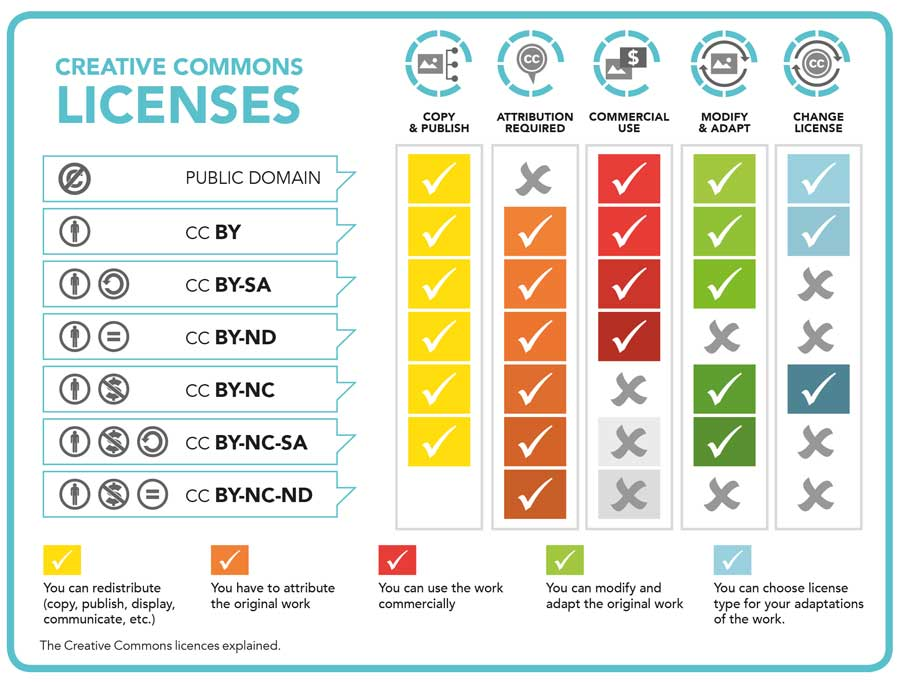
The first offer often feels flattering.
Someone discovers your photograph.
A publisher wants to use your illustration.
A company admires your music.
A brand notices your design.
An email arrives.
The sender is enthusiastic.
The opportunity appears promising.
Then comes the question that catches many creators off guard.
"What would it cost for us to use this?"
At that moment, creative talent collides with commercial reality.
Because creating something valuable and licensing something valuable are not the same skill.
One produces the asset.
The other monetizes it.
Many creators spend years refining their craft.
Far fewer spend time understanding how intellectual property generates revenue.
Yet some of the most successful creators in the world understand a simple principle.
The greatest value often lies not in selling creative work.
It lies in licensing it.
A painting can be sold once.
A copyright can be licensed repeatedly.
A photograph can appear in countless campaigns.
A song can generate revenue for decades.
A design can expand across products, markets, and geographies.
Ownership creates possibility.
Licensing unlocks it.
Understanding how to license creative work is therefore not merely a legal exercise.
It is a business strategy.
And for many creators, it becomes one of the most important business strategies they ever learn.
Licensing Begins With Ownership
Before anything can be licensed, ownership must exist.
This sounds obvious.
It frequently isn't.
Many creators assume they own everything they create.
Often they do.
Sometimes they don't.
Employment agreements, contractor arrangements, collaborative projects, publishing contracts, and commissioned work can complicate ownership considerably.
Before licensing creative work, confirm that you possess the rights you intend to license.
That means understanding:
- Copyright ownership
- Trademark ownership
- Patent ownership
- Contractual obligations
- Existing licensing agreements
Licensing rights you do not control creates problems quickly.
Ownership is the foundation.
Everything else sits on top of it.
What Licensing Actually Means
Many creators hear the word "license" and assume it means selling.
It doesn't.
Licensing grants permission.
Ownership remains intact.
This distinction is extraordinarily important.
Imagine owning a house.
Selling it transfers ownership.
Renting it allows someone else to use it while ownership remains unchanged.
Licensing operates similarly.
You permit usage.
You retain control.
You create revenue without necessarily surrendering the underlying asset.
This is why licensing has become such a powerful commercial tool.
One creative work can generate multiple income streams.
Simultaneously.
Across different markets.
For different purposes.
Over extended periods.
Why Licensing Is So Attractive
Creative work possesses a unique characteristic.
Unlike physical inventory, intellectual property can often be reused repeatedly.
A photograph does not disappear after one use.
A song does not expire after one performance.
An illustration does not vanish after one publication.
Licensing allows creators to monetize that repeatability.
Benefits often include:
- Ongoing revenue
- Market expansion
- Brand exposure
- Asset preservation
- Long-term scalability
The most valuable intellectual property portfolios frequently generate far more through licensing than through direct sales.
That reality surprises many first-time creators.
Identify What You're Licensing
Not every creative asset is licensed in the same way.
Different forms of intellectual property require different approaches.
Copyrighted Works
Examples include:
- Photography
- Music
- Books
- Articles
- Illustrations
- Graphic designs
- Videos
Copyright licensing remains the most common form of creative licensing.
Trademarks
Brands, logos, slogans, and recognizable identifiers may be licensed under trademark agreements.
Patents
Inventors may license technological innovations or patented processes.
Composite Rights
Some projects combine multiple intellectual property categories.
A single product may involve copyright, trademarks, and patents simultaneously.
Complexity increases accordingly.
Determine How Others Can Use Your Work
This is where licensing becomes strategic.
Permission is not binary.
Usage rights exist on a spectrum.
The more precisely rights are defined, the easier they become to manage.
Consider:
Geographic Scope
Will usage be permitted:
- Locally?
- Nationally?
- Internationally?
Duration
Will rights last:
- One month?
- One year?
- Indefinitely?
Media Channels
Can the work appear in:
- Print?
- Television?
- Websites?
- Social media?
- Packaging?
Commercial Use
Can the licensee generate revenue using the work?
Or is usage restricted?
The answers shape the value of the license.
Comparing Common Licensing Structures
| License Type | Exclusivity | Revenue Potential | Creator Control | Typical Use Case |
|---|---|---|---|---|
| Non-Exclusive License | Low | Moderate | High | Stock photography |
| Exclusive License | High | High | Reduced | Commercial campaigns |
| Limited-Term License | Moderate | Moderate | High | Marketing projects |
| Perpetual License | Low | High upfront | Lower | Software and media |
| Geographic License | Moderate | Variable | High | International expansion |
| Industry-Specific License | Moderate | Strong | High | Specialized markets |
| Royalty-Based License | Moderate | Long-term | High | Publishing and music |
| Flat Fee License | Low | Predictable | Moderate | Small projects |
The strongest licensing strategy depends on objectives.
Revenue optimization.
Exposure.
Control.
Scalability.
Different goals produce different structures.
Pricing Creative Licenses
This is where many creators become uncomfortable.
Pricing creative work can feel subjective.
Pricing licenses can feel even more difficult.
Yet value often becomes clearer when viewed through business impact.
Questions worth asking include:
- How widely will the work be used?
- How long will it be used?
- How much revenue may the licensee generate?
- How exclusive are the rights?
- How difficult would replacement be?
A global advertising campaign carries different value than a local newsletter.
A perpetual license carries different value than a six-month license.
Pricing should reflect that reality.
Not merely the time required to create the asset.
The Power of Non-Exclusive Licensing
Many creators initially focus on exclusivity.
Exclusivity sounds valuable.
Sometimes it is.
Yet non-exclusive licensing often creates remarkable opportunities.
A single photograph might be licensed to:
- Publishers
- Advertisers
- Bloggers
- Educational organizations
- Corporate clients
Multiple times.
Across different industries.
Over several years.
The same asset generates repeated revenue.
Ownership remains unchanged.
This is one reason stock photography platforms became so successful.
They monetize scale.
When Exclusive Licensing Makes Sense
Exclusivity has value when uniqueness matters.
Brands frequently seek exclusivity because differentiation matters.
A company does not want competitors using identical assets.
Exclusive licenses typically command higher fees because they restrict future licensing opportunities.
The creator sacrifices flexibility.
The client gains certainty.
Both parties exchange value.
The economics often justify the arrangement.
A Lesson I Learned Watching a Creator Undervalue Their Work
Several years ago, I observed a talented photographer receive an inquiry from a large organization.
The company wanted broad usage rights.
Advertising.
Digital campaigns.
Internal communications.
Multiple regions.
The photographer focused entirely on the production effort.
A few hours of shooting.
Some editing.
A simple calculation followed.
The proposed fee reflected labor.
Not value.
The company would potentially use those images for years.
Across multiple markets.
Generating substantial commercial benefit.
The creator nearly licensed significant rights for a fraction of their true worth.
That experience reinforced an important lesson.
Creative licensing is not primarily about what the creator invested.
It is often about what the licensee receives.
Those are very different calculations.
The Importance of Written Agreements
Verbal understandings create risk.
Memory fades.
Interpretations differ.
Assumptions emerge.
Written agreements provide clarity.
Strong licensing agreements typically define:
- Parties involved
- Rights granted
- Restrictions
- Payment terms
- Duration
- Geographic scope
- Termination provisions
Documentation protects everyone.
Not because relationships fail.
Because successful relationships require clarity.
Royalties Versus Flat Fees
Creators often face an important choice.
Immediate payment.
Or ongoing participation.
Flat Fees
Advantages include:
- Predictability
- Immediate compensation
- Administrative simplicity
Disadvantages include:
- No future upside
Royalty Agreements
Advantages include:
- Long-term revenue potential
- Alignment with commercial success
Disadvantages include:
- Revenue uncertainty
- Monitoring requirements
Neither model is universally superior.
The appropriate structure depends on the project.
And the risk tolerance of both parties.
Finding Potential Licensees
Many creators assume licensing opportunities appear organically.
Occasionally they do.
More often they require active pursuit.
Potential licensees may include:
- Publishers
- Advertising agencies
- Media companies
- Educational institutions
- Manufacturers
- Software developers
- Entertainment companies
Visibility matters.
Portfolio quality matters.
Professional presentation matters.
Licensing frequently begins long before negotiations begin.
It starts with discoverability.
Protecting Your Work Before Licensing
Licensing works best when ownership is clear.
Protection strategies may include:
- Copyright registration
- Trademark registration
- Patent filings
- Recordkeeping
- Metadata management
Protection does not create value.
But it helps preserve value.
Creators sometimes overlook this distinction.
Why Licensing Is Really About Leverage
At first glance, licensing appears transactional.
Permission exchanged for payment.
The reality is more sophisticated.
Licensing creates leverage.
One asset supports multiple opportunities.
One creative project generates multiple outcomes.
One intellectual property portfolio expands beyond its original purpose.
This leverage explains why licensing has become central to industries ranging from entertainment and publishing to software and consumer products.
The underlying principle remains remarkably consistent.
Ownership creates optionality.
Licensing monetizes optionality.
The Future of Creative Licensing
Technology continues reshaping creative markets.
Distribution channels multiply.
Content travels faster.
Global audiences become increasingly accessible.
Artificial intelligence introduces new questions regarding ownership and licensing structures.
Yet despite these changes, fundamental principles remain intact.
Creators still need protection.
Businesses still need permission.
Markets still need efficient ways to connect both.
Licensing remains one of the most effective mechanisms for accomplishing that goal.
The tools evolve.
The economics endure.
Conclusion: Licensing Is the Art of Keeping What You Sell
Many creators begin their careers believing success means selling their work.
Sometimes it does.
But licensing introduces a more intriguing possibility.
Selling access.
Without surrendering ownership.
That distinction transforms creative assets into business assets.
A license allows work to travel.
To generate revenue.
To reach new audiences.
To create value repeatedly.
The creator remains the owner.
The user becomes the beneficiary.
Both sides gain something meaningful.
And perhaps that is what makes licensing so powerful.
It challenges the traditional assumption that value requires surrender.
Sometimes the most valuable transaction is not giving something away.
It is retaining ownership while allowing others to participate in its potential.
That is the true promise of licensing.
Not simply permission.
But leverage.
- Arts
- Business
- Computers
- Παιχνίδια
- Health
- Κεντρική Σελίδα
- Kids and Teens
- Money
- News
- Personal Development
- Recreation
- Regional
- Reference
- Science
- Shopping
- Society
- Sports
- Бизнес
- Деньги
- Дом
- Досуг
- Здоровье
- Игры
- Искусство
- Источники информации
- Компьютеры
- Личное развитие
- Наука
- Новости и СМИ
- Общество
- Покупки
- Спорт
- Страны и регионы
- World

 English
 Russian
 French
 Spanish
 Portuguese
 Deutsch
 Turkish
 Dutch
Dutch
 Italiano
 Arabic
 Romaian
 Portuguese (Brazil)