
What are the advantages and disadvantages of labor unions?
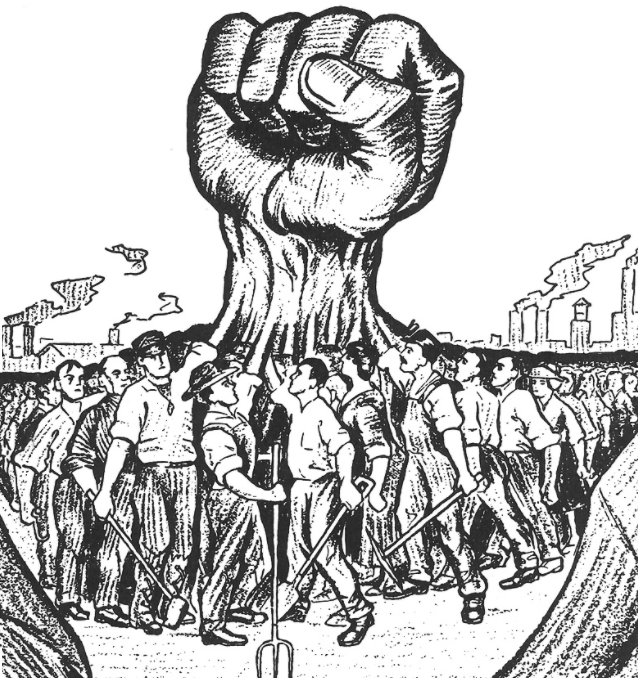
What Are the Advantages and Disadvantages of Labor Unions?
Labor unions have played a significant role in shaping modern workplaces by representing employees in negotiations with employers. They advocate for fair wages, safe working conditions, employee benefits, and job security. While unions have contributed to many workplace improvements over the years, they are not without criticism. Understanding both the advantages and disadvantages of labor unions helps employees, employers, and policymakers make informed decisions about workplace representation.
What Is a Labor Union?
A labor union is an organization formed by workers to protect and promote their collective interests. Instead of negotiating individually with employers, union members bargain collectively through elected representatives. This process, known as collective bargaining, aims to establish agreements on wages, working hours, benefits, workplace safety, and other employment conditions.
Although labor unions vary by industry and country, their primary goal remains the same: improving the working lives of their members.
Advantages of Labor Unions
1. Higher Wages
One of the most recognized benefits of labor unions is their ability to negotiate better pay. By representing employees as a group, unions often secure wage increases that individual workers may struggle to obtain on their own.
Higher wages can improve employees' quality of life, reduce financial stress, and make occupations more attractive to skilled workers.
2. Better Employee Benefits
Union contracts frequently include improved benefits beyond basic salaries. These may include:
-
Health insurance
-
Retirement or pension plans
-
Paid vacation
-
Sick leave
-
Parental leave
-
Life and disability insurance
These benefits contribute to employee well-being and long-term financial security.
3. Improved Job Security
Unionized employees generally enjoy greater protection against unfair dismissal. Employers usually must follow specific disciplinary procedures outlined in collective bargaining agreements before terminating an employee.
This reduces arbitrary or discriminatory employment decisions and promotes fairness in the workplace.
4. Safer Working Conditions
Labor unions actively advocate for workplace health and safety. They work with employers to identify hazards, improve safety standards, and ensure compliance with occupational safety regulations.
Employees who feel safe at work are typically more productive and experience fewer workplace injuries.
5. Collective Bargaining Power
An individual employee may have little influence during salary negotiations. A union gives workers collective bargaining power, allowing them to negotiate from a stronger position.
Employers are often more willing to negotiate when dealing with an organized workforce rather than individual employees.
6. Protection Against Workplace Discrimination
Many union agreements establish clear procedures for handling discrimination, harassment, favoritism, and unfair treatment. Employees usually have access to grievance procedures that allow complaints to be investigated fairly.
This can create a more respectful and equitable work environment.
7. Formal Grievance Procedures
Unionized workplaces often include structured systems for resolving disputes between employees and management. If workers believe they have been treated unfairly, they can file grievances that follow established review processes.
These procedures help resolve conflicts before they escalate into legal disputes.
8. Increased Employee Voice
Labor unions provide employees with a platform to express concerns about workplace policies, scheduling, staffing levels, and organizational changes.
Workers often feel more involved in decisions affecting their jobs, leading to improved morale and engagement.
9. Standardized Employment Policies
Collective agreements establish consistent rules regarding promotions, overtime, leave, discipline, and compensation.
Standardization reduces favoritism and helps ensure employees are treated consistently.
10. Professional Development Opportunities
Some unions offer training programs, apprenticeships, certifications, and continuing education that help members improve their skills and advance their careers.
These programs can increase both productivity and long-term employability.
Disadvantages of Labor Unions
1. Union Membership Dues
Most unions require members to pay regular dues or fees. These funds support union operations, legal representation, negotiations, and member services.
Although many employees consider the benefits worthwhile, some workers may feel the costs outweigh the advantages.
2. Reduced Individual Negotiation Flexibility
Union contracts generally establish standardized wages and employment conditions for all employees within a bargaining unit.
As a result, highly skilled or high-performing employees may have fewer opportunities to negotiate individual salaries or unique employment arrangements.
3. Potential Labor Disputes
When negotiations fail, unions may organize strikes, work stoppages, or other forms of industrial action.
While these actions can strengthen bargaining positions, they may also result in temporary income loss for workers, operational disruptions for employers, and inconvenience for customers.
4. Slower Decision-Making
Collective bargaining often involves lengthy negotiations between unions and employers. Implementing workplace changes may require consultation, voting, or contract revisions.
This process can reduce organizational flexibility and delay business decisions.
5. Increased Labor Costs
Union-negotiated wages and benefits may increase operating expenses for employers.
Higher labor costs can affect profitability, influence pricing decisions, or encourage businesses to automate certain jobs or relocate operations where labor costs are lower.
6. Resistance to Organizational Change
Some unions oppose restructuring, automation, outsourcing, or workforce reductions that could threaten member jobs.
Although protecting employment is a core union objective, resistance to change may sometimes limit an organization's ability to remain competitive.
7. Seniority-Based Decisions
Many collective agreements prioritize seniority when making decisions about promotions, layoffs, transfers, or scheduling.
While seniority systems reward experience and loyalty, they may overlook individual performance or merit.
8. Membership Obligations
Union members are often expected to support collective decisions, including participation in votes or labor actions.
Employees who disagree with union leadership or bargaining strategies may feel their personal preferences are not fully represented.
9. Adversarial Employer Relationships
In some workplaces, labor-management relations can become confrontational during contract negotiations.
Poor communication or prolonged disputes may reduce trust and cooperation between employees and management.
10. Not Every Workplace Benefits Equally
The effectiveness of labor unions depends on factors such as industry, leadership quality, labor laws, employer cooperation, and economic conditions.
In some organizations, employers already provide competitive wages, excellent benefits, and open communication, reducing the perceived need for union representation.
Balancing the Pros and Cons
Labor unions offer significant advantages by improving wages, workplace safety, employee protections, and collective bargaining power. They have historically contributed to many workplace standards that benefit workers today.
However, unions also present challenges, including membership costs, reduced flexibility, slower negotiations, and the possibility of labor disputes. Whether a union is beneficial depends on the specific workplace, industry, and relationship between employees and management.
Employees considering union membership should evaluate both the potential benefits and responsibilities involved. Likewise, employers can benefit from maintaining constructive relationships with employee representatives to create productive and fair workplaces.
Conclusion
Labor unions continue to play an important role in protecting workers' rights and promoting fair employment practices. Their ability to negotiate higher wages, better benefits, improved safety, and stronger job protections has benefited millions of workers worldwide. At the same time, unions can introduce challenges such as higher labor costs, less individual flexibility, and occasional workplace disputes.
Ultimately, there is no universal answer to whether labor unions are good or bad. Their impact depends on how effectively unions and employers work together to balance employee welfare with organizational success. When both sides engage in respectful dialogue and cooperative bargaining, labor unions can contribute to healthier, more productive workplaces that benefit employees, employers, and society as a whole.
- Arts
- Business
- Computers
- Games
- Health
- Home
- Kids and Teens
- Money
- News
- Personal Development
- Recreation
- Regional
- Reference
- Science
- Shopping
- Society
- Sports
- Бизнес
- Деньги
- Дом
- Досуг
- Здоровье
- Игры
- Искусство
- Источники информации
- Компьютеры
- Личное развитие
- Наука
- Новости и СМИ
- Общество
- Покупки
- Спорт
- Страны и регионы
- World

 Russian
 French
 Spanish
 Portuguese
 Deutsch
 Turkish
 Dutch
Dutch
 Italiano
 Arabic
 Romaian
 Portuguese (Brazil)
 Greek
Greek