
What are the functions of labor unions?
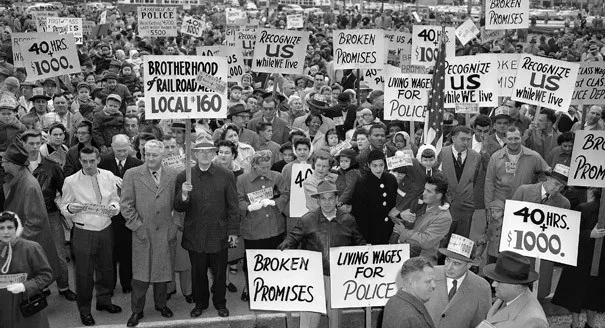
What Are the Functions of Labor Unions?
Labor unions play a vital role in protecting workers' rights, improving workplace conditions, and promoting fair relationships between employees and employers. By representing workers collectively, unions help create a more balanced and productive work environment. Their responsibilities extend beyond negotiating wages—they also influence workplace policies, employee welfare, legal compliance, and economic stability.
This article explores the primary functions of labor unions and explains why they remain important in today's workplaces.
What Is a Labor Union?
A labor union is an organization formed by employees to represent their collective interests. Rather than negotiating individually with an employer, workers join together through a union to bargain for better pay, safer working conditions, reasonable working hours, and fair treatment.
Labor unions exist in many industries, including manufacturing, healthcare, education, transportation, construction, retail, and public services.
Key Functions of Labor Unions
1. Collective Bargaining
The most recognized function of a labor union is collective bargaining.
Collective bargaining is the process through which union representatives negotiate with employers on behalf of employees. These negotiations typically cover:
-
Wages and salary increases
-
Employee benefits
-
Working hours
-
Overtime pay
-
Paid leave
-
Health insurance
-
Retirement plans
-
Job security
By negotiating as a group, employees usually have greater bargaining power than they would individually.
2. Protecting Employee Rights
Labor unions safeguard employees from unfair treatment in the workplace.
They help ensure employers comply with:
-
Employment contracts
-
Labor laws
-
Workplace regulations
-
Anti-discrimination policies
-
Health and safety standards
If workers believe their rights have been violated, unions can provide advice, representation, and legal support.
3. Improving Working Conditions
Another important function is promoting safe and healthy workplaces.
Labor unions advocate for:
-
Safe equipment
-
Proper training
-
Hazard prevention
-
Reasonable workloads
-
Adequate rest breaks
-
Healthy working environments
In dangerous industries such as mining, construction, and manufacturing, unions often play a significant role in reducing workplace accidents.
4. Representing Employees in Disputes
Employees sometimes face disciplinary actions, grievances, or conflicts with management.
Labor unions represent workers during:
-
Disciplinary hearings
-
Workplace investigations
-
Grievance procedures
-
Dismissal disputes
-
Contract disagreements
Having union representation helps ensure employees receive fair treatment throughout these processes.
5. Negotiating Better Compensation
Unions work to improve employees' overall compensation—not just wages.
Negotiations often include:
-
Bonuses
-
Performance incentives
-
Paid vacations
-
Sick leave
-
Family leave
-
Pension contributions
-
Health benefits
-
Insurance coverage
Improved compensation contributes to higher employee satisfaction and financial security.
6. Promoting Job Security
Many labor unions negotiate agreements that protect employees from unfair dismissal or arbitrary layoffs.
These agreements may establish:
-
Clear disciplinary procedures
-
Notice requirements
-
Seniority rules
-
Layoff protections
-
Redeployment opportunities
Greater job security encourages employee commitment and reduces workplace uncertainty.
7. Handling Employee Grievances
A grievance is a formal complaint about workplace issues.
Labor unions help employees resolve concerns involving:
-
Harassment
-
Discrimination
-
Wage disputes
-
Scheduling conflicts
-
Safety violations
-
Contract interpretation
Most unions follow structured grievance procedures that seek solutions before disputes escalate into legal action.
8. Supporting Workplace Democracy
Labor unions provide employees with a voice in workplace decisions.
Workers may participate by:
-
Electing union representatives
-
Voting on collective agreements
-
Attending union meetings
-
Raising workplace concerns
-
Participating in negotiations
This democratic process helps employees influence decisions affecting their working lives.
9. Providing Legal Assistance
Many unions offer legal support when employment issues arise.
Legal assistance may include:
-
Employment law advice
-
Representation during hearings
-
Assistance with unfair dismissal claims
-
Support during labor tribunal proceedings
-
Contract interpretation
Access to legal expertise helps workers understand and defend their rights.
10. Educating and Training Members
Labor unions often provide educational opportunities to improve workers' knowledge and skills.
Training programs may cover:
-
Workplace safety
-
Leadership development
-
Labor rights
-
Negotiation skills
-
Professional development
-
Technical skills
-
Career advancement
Education benefits both employees and employers by improving workforce competence.
11. Promoting Equality and Fair Treatment
Many labor unions advocate for equal treatment regardless of:
-
Gender
-
Race
-
Age
-
Religion
-
Disability
-
National origin
They also support equal pay initiatives and work to reduce workplace discrimination.
12. Influencing Public Policy
Labor unions often participate in shaping employment-related legislation and public policy.
They may advocate for:
-
Higher minimum wages
-
Safer workplaces
-
Better employment standards
-
Improved social security systems
-
Family leave policies
-
Worker protections
Through lobbying and public advocacy, unions seek improvements that benefit workers across entire industries.
13. Supporting Workers During Organizational Change
Businesses frequently undergo restructuring, mergers, acquisitions, or downsizing.
Labor unions help employees navigate these changes by negotiating:
-
Severance packages
-
Redeployment opportunities
-
Retraining programs
-
Consultation processes
-
Transition support
Their involvement can reduce uncertainty and improve communication between employers and employees.
14. Building Solidarity Among Workers
Labor unions foster unity by encouraging workers to support one another.
A united workforce can more effectively:
-
Address common concerns
-
Improve communication
-
Resolve workplace conflicts
-
Promote teamwork
-
Strengthen employee morale
This collective approach often leads to stronger relationships among employees.
15. Promoting Industrial Peace
Although unions sometimes organize strikes when negotiations fail, their broader objective is to maintain stable labor-management relations.
Through ongoing dialogue and negotiation, unions help:
-
Prevent workplace conflicts
-
Resolve disputes peacefully
-
Improve communication
-
Build trust between employers and employees
-
Maintain productive workplaces
Successful industrial relations benefit both organizations and workers.
Why These Functions Matter
The functions of labor unions contribute to both employee well-being and organizational success.
For employees, unions provide:
-
Better wages
-
Improved benefits
-
Safer workplaces
-
Greater job security
-
Fair representation
-
Professional development
For employers, effective union relationships can lead to:
-
Lower turnover
-
Better communication
-
Higher employee engagement
-
Reduced workplace disputes
-
Increased productivity
-
Greater organizational stability
When employers and unions work collaboratively, they often achieve outcomes that support long-term business performance and employee satisfaction.
Challenges Labor Unions Face
Despite their important functions, labor unions face several challenges in today's economy.
These include:
-
Declining membership in some industries
-
Global competition
-
Automation and technological change
-
Growth of temporary and gig work
-
Changing labor laws
-
Employer resistance to unionization
To remain effective, many unions are expanding their focus to include digital workers, freelancers, and employees in emerging industries.
Conclusion
Labor unions perform a wide range of functions that extend far beyond wage negotiations. They protect employee rights, negotiate fair compensation, improve working conditions, resolve workplace disputes, promote equality, provide legal support, and influence labor policy. By giving workers a collective voice, unions help create fairer, safer, and more productive workplaces.
While the nature of work continues to evolve, labor unions remain an important part of modern employment relations. Their ability to balance employee interests with organizational goals contributes to healthier workplaces, stronger economies, and more stable labor-management relationships.
- Arts
- Business
- Computers
- Jogos
- Health
- Início
- Kids and Teens
- Money
- News
- Personal Development
- Recreation
- Regional
- Reference
- Science
- Shopping
- Society
- Sports
- Бизнес
- Деньги
- Дом
- Досуг
- Здоровье
- Игры
- Искусство
- Источники информации
- Компьютеры
- Личное развитие
- Наука
- Новости и СМИ
- Общество
- Покупки
- Спорт
- Страны и регионы
- World

 English
 Russian
 French
 Spanish
 Deutsch
 Turkish
 Dutch
Dutch
 Italiano
 Arabic
 Romaian
 Portuguese (Brazil)
 Greek
Greek