
PaaS Pricing Comparison: Why the Cheapest Platform Often Costs the Most
The most expensive infrastructure mistake rarely appears on an invoice.
It appears in a sprint review.
A feature ships two weeks late because deployment required manual intervention. Engineers spend hours debugging environment issues instead of improving the product. A team postpones an experiment because infrastructure changes feel risky.
Meanwhile, the hosting bill looks fantastic.
This is the paradox at the heart of Platform as a Service (PaaS) pricing.
Organizations often compare platforms by monthly cost. They evaluate compute resources, memory allocations, storage limits, and bandwidth fees. Spreadsheets emerge. Formulas multiply. Procurement teams negotiate.
Then something unexpected happens.
The platform with the lowest infrastructure cost occasionally becomes the most expensive platform in practice.
Because infrastructure expenses are visible.
Attention expenses are not.
That distinction matters more than ever in 2026, when the PaaS market has matured into a crowded ecosystem of providers competing on simplicity, scalability, and developer experience. Render, Railway, Heroku, Fly.io, DigitalOcean, Azure App Service, Google App Engine, and AWS Elastic Beanstalk all offer compelling value propositions.
The challenge isn't finding a platform.
The challenge is understanding what you're actually paying for.
And perhaps more importantly, what you're not.
Why PaaS Pricing Is More Complicated Than It Appears
Most software purchases are relatively straightforward.
A company buys licenses.
A vendor charges a fee.
The relationship is visible.
PaaS pricing works differently.
The monthly invoice represents only part of the economic equation.
Organizations also incur:
- Developer time
- Operational overhead
- Maintenance costs
- Deployment complexity
- Scaling effort
- Opportunity costs
These expenses rarely appear in infrastructure comparisons.
Yet they often determine the platform's true cost.
A hosting bill is easy to measure.
Lost momentum is not.
This is why two companies can spend the same amount on infrastructure and experience dramatically different outcomes.
One platform may require more management.
Another may require less.
The invoice doesn't tell that story.
What Actually Drives PaaS Costs?
Before comparing providers, it helps to understand how pricing is structured.
Most PaaS platforms charge based on combinations of the following factors:
Compute Resources
CPU and memory allocations remain the primary pricing drivers.
Larger applications consume more resources and incur higher costs.
Application Instances
Many platforms bill based on the number of running instances.
As traffic grows, scaling increases costs.
Database Services
Managed databases frequently represent a significant portion of monthly spending.
Especially for production applications.
Network Usage
Bandwidth and data transfer costs can become meaningful at scale.
Premium Features
Capabilities such as:
- Private networking
- Advanced monitoring
- Compliance controls
- Dedicated infrastructure
Often require higher-tier plans.
The result is a pricing landscape that appears simple at first glance but becomes increasingly nuanced as applications grow.
PaaS Pricing Comparison Table (2026)
| Platform | Entry-Level Paid Plan | Typical Startup Cost Range | Pricing Transparency | Scalability Cost Predictability | Best For |
|---|---|---|---|---|---|
| Render | From ~$7/month per service | $20–$100/month | High | High | SaaS startups |
| Railway | Usage-based | $5–$100/month | High | Moderate | MVPs and rapid development |
| Heroku | From ~$5–$7/month dynos | $25–$200/month | Moderate | Moderate | Simplicity-focused teams |
| Fly.io | Consumption-based | $5–$150/month | Moderate | Moderate | Global applications |
| DigitalOcean App Platform | From ~$5/month | $10–$80/month | High | High | Small businesses |
| AWS Elastic Beanstalk | Infrastructure-based | $20–$300+/month | Moderate | Moderate | AWS ecosystems |
| Google App Engine | Usage-based | $15–$250+/month | Moderate | Good | Google Cloud users |
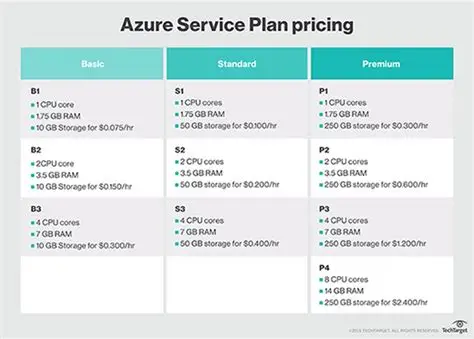
| Azure App Service | From ~$13/month | $20–$300+/month | Good | Good | Enterprise deployments |
| Northflank | Tiered pricing | $10–$150/month | Good | Good | Cloud-native applications |
Actual costs vary significantly based on workload, scaling requirements, database usage, and geographic deployment.
Render: Predictability as a Competitive Advantage
Render's pricing philosophy feels refreshingly straightforward.
The platform largely avoids the labyrinthine pricing structures common in cloud infrastructure.
Developers provision services.
Services have clearly defined costs.
The relationship is understandable.
Why Organizations Like Render's Pricing
Render offers:
- Transparent service pricing
- Predictable database costs
- Clear scaling options
- Minimal hidden fees
This simplicity creates confidence.
Finance teams appreciate it.
Developers appreciate it even more.
Because fewer surprises mean fewer conversations about infrastructure budgets.
Railway: Pricing Designed Around Experimentation
Railway approaches pricing differently.
The platform emphasizes flexibility and usage-based billing.
This creates an attractive environment for experimentation.
Small projects often cost very little.
Rapid prototyping becomes economically accessible.
The Strength
For early-stage products, Railway can be remarkably affordable.
Developers pay for what they use rather than reserving capacity prematurely.
The Consideration
Usage-based pricing can become harder to forecast as applications scale.
Organizations seeking highly predictable budgeting may need additional monitoring.
Heroku: Paying for Simplicity
Heroku pricing has generated debate for years.
The reason is straightforward.
Many competitors appear cheaper.
Yet millions of deployments have occurred on Heroku for a reason.
What You're Actually Buying
Heroku's value isn't merely hosting.
It's convenience.
It's deployment simplicity.
It's mature tooling.
It's reduced operational complexity.
Viewed through that lens, the pricing becomes easier to understand.
The platform charges a premium for developer focus.
Whether that premium is worthwhile depends on organizational priorities.
Fly.io: Performance-Oriented Economics
Fly.io's pricing reflects its architectural philosophy.
The platform emphasizes global application delivery and edge infrastructure.
This creates unique cost dynamics.
Advantages
Organizations pay for infrastructure that improves user proximity and application responsiveness.
For globally distributed applications, the economics can be compelling.
Challenges
Consumption-based pricing introduces additional variables.
Forecasting future expenses requires a deeper understanding of application behavior.
DigitalOcean App Platform: Clarity Wins
DigitalOcean has built an entire brand around simplicity.
Its pricing structure reflects that commitment.
Developers generally understand what they're paying for.
And understanding matters.
Why Small Teams Choose It
Benefits include:
- Low entry costs
- Straightforward billing
- Predictable growth paths
- Minimal pricing complexity
Many startups prioritize this transparency.
Especially during periods of rapid experimentation.
AWS Elastic Beanstalk: The Illusion of Cheap Infrastructure
AWS Elastic Beanstalk presents an interesting pricing challenge.
Technically, Elastic Beanstalk itself does not impose substantial additional fees.
Organizations pay for the underlying AWS services.
At first glance, this appears attractive.
The Hidden Complexity
The AWS ecosystem includes numerous interconnected services:
- EC2
- RDS
- Load balancers
- Storage
- Monitoring
Each introduces its own pricing considerations.
The result can be powerful flexibility.
It can also create forecasting challenges.
Understanding the total cost often requires significant expertise.
Google App Engine: Paying for Automation
Google App Engine emphasizes managed infrastructure.
The pricing reflects that philosophy.
Organizations effectively outsource portions of operational management to Google.
Where Costs Make Sense
For applications requiring:
- Automatic scaling
- Global availability
- Managed operations
The economics can be compelling.
Particularly when compared with self-managed alternatives.
Azure App Service: Enterprise Budgeting Meets Cloud Flexibility
Azure App Service occupies a unique position.
It balances enterprise-grade capabilities with relatively understandable pricing structures.
Advantages
Organizations benefit from:
- Tiered pricing
- Reserved capacity options
- Enterprise support plans
- Strong governance capabilities
For large organizations, predictability often matters as much as cost itself.
Azure performs well in this area.
Northflank: Modern Infrastructure, Modern Economics
Northflank represents a newer generation of platforms.
Its pricing model reflects modern cloud-native development patterns.
What Stands Out
Developers gain access to:
- Containers
- Databases
- Workloads
- CI/CD pipelines
Within relatively straightforward pricing frameworks.
The platform appeals to teams seeking flexibility without enterprise-level complexity.
The Pricing Variable Most Companies Ignore
Several years ago, I worked with a SaaS company evaluating hosting providers.
Leadership became intensely focused on reducing infrastructure expenses.
The engineering team created detailed comparisons.
Every dollar mattered.
Eventually, the company selected the lowest-cost option.
For a few months, the decision looked successful.
Infrastructure spending decreased.
Then another metric emerged.
Release velocity slowed.
Developers spent increasing amounts of time managing deployments and troubleshooting infrastructure.
The company had reduced visible costs while increasing invisible costs.
No spreadsheet captured the value of uninterrupted developer focus.
No budget line item reflected delayed product innovation.
A year later, the organization migrated to a more expensive managed platform.
Hosting costs increased.
Feature delivery accelerated.
Customer retention improved.
Revenue grew.
The economics ultimately favored the higher-priced platform.
That experience permanently changed how I evaluate PaaS pricing.
Cost and value are not synonymous.
And infrastructure invoices rarely tell the entire story.
How to Compare PaaS Pricing the Right Way
When evaluating providers, organizations should consider three distinct layers of cost.
Direct Platform Costs
These include:
- Hosting fees
- Database fees
- Network charges
- Premium features
This is the easiest layer to measure.
Operational Costs
Consider:
- Deployment complexity
- Maintenance requirements
- Monitoring effort
- Infrastructure management
These costs often exceed expectations.
Opportunity Costs
Perhaps the most important category.
Ask:
- How much developer attention does this platform require?
- How quickly can teams deploy?
- How rapidly can new ideas reach customers?
The answers frequently matter more than monthly hosting expenses.
Which PaaS Offers the Best Value?
Value and price are not identical.
For organizations prioritizing simplicity and predictability, Render frequently delivers exceptional value.
Railway excels for experimentation and rapid development.
DigitalOcean remains attractive for budget-conscious teams.
Heroku continues to justify its premium through ease of use.
Fly.io stands out when performance creates competitive advantage.
AWS, Google Cloud, and Azure provide immense flexibility for organizations already operating within those ecosystems.
The right choice depends on context.
And context changes everything.
The Most Important Number Isn't on the Invoice
PaaS pricing comparisons typically end with monthly cost estimates.
That makes sense.
Costs are tangible.
Invoices are concrete.
Yet the most consequential metric often remains invisible.
How much developer attention does the platform consume?
Because attention drives innovation.
Attention drives experimentation.
Attention drives customer value.
The cheapest platform is not necessarily the one with the lowest monthly bill.
It's the one that allows talented people to spend the maximum amount of time solving meaningful problems.
And viewed through that lens, PaaS pricing becomes something larger than infrastructure economics.
It becomes a reflection of how an organization chooses to invest its most valuable resource.
Its people.
- Arts
- Business
- Computers
- Jeux
- Health
- Domicile
- Kids and Teens
- Argent
- News
- Personal Development
- Recreation
- Regional
- Reference
- Science
- Shopping
- Society
- Sports
- Бизнес
- Деньги
- Дом
- Досуг
- Здоровье
- Игры
- Искусство
- Источники информации
- Компьютеры
- Личное развитие
- Наука
- Новости и СМИ
- Общество
- Покупки
- Спорт
- Страны и регионы
- World

 English
 Russian
 Spanish
 Portuguese
 Deutsch
 Turkish
 Dutch
Dutch
 Italiano
 Arabic
 Romaian
 Portuguese (Brazil)
 Greek
Greek