
How Can I Increase Retail Sales? The Question That Reveals What Retailers Often Get Wrong
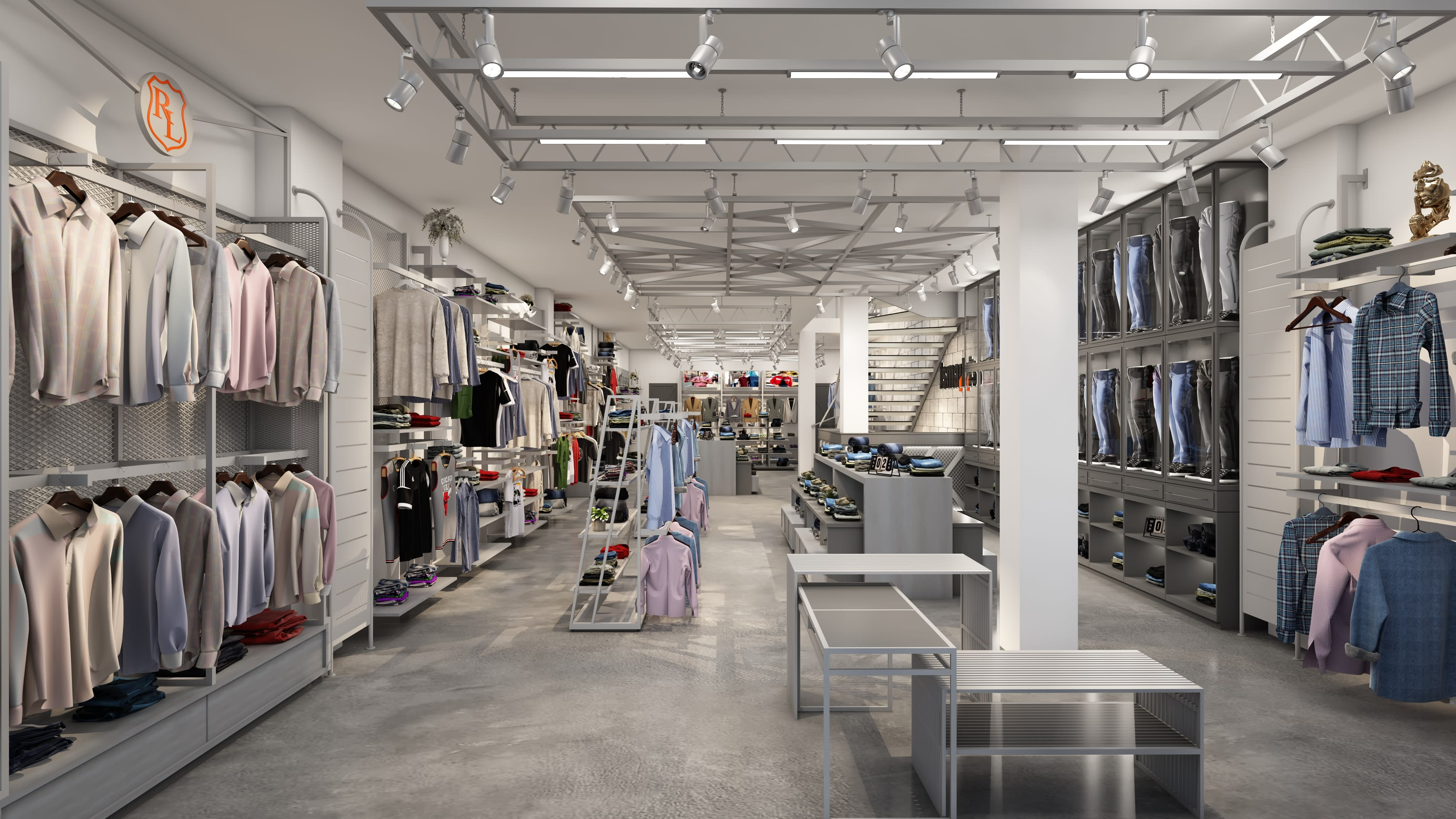
A retailer notices sales have slowed.
The first instinct is predictable.
Launch a promotion.
Increase advertising.
Offer a discount.
Send another email campaign.
Push harder.
Sometimes these tactics work. Often they produce a temporary lift. Traffic rises. Transactions increase. Revenue improves for a brief period.
Then the numbers settle back to where they were before.
The underlying problem remains.
This pattern appears so frequently that it exposes a larger misunderstanding about retail growth. Many retailers assume sales are primarily a marketing problem. If customers are not buying enough, the logic goes, the solution must involve getting more customers into the store.
Yet retail history suggests something different.
The strongest retailers do not simply attract attention. They create conditions that make purchasing feel easy, relevant, rewarding, and, occasionally, irresistible.
That distinction matters.
Because increasing retail sales is rarely about a single tactic. It is about aligning customer demand, product assortment, store experience, pricing strategy, inventory availability, employee engagement, and operational execution.
Sales are the outcome.
The causes lie elsewhere.
And that is where the conversation becomes interesting.
Sales Growth Begins With Understanding Why Customers Buy
Retailers spend considerable time studying what customers purchase.
Far fewer spend enough time understanding why customers purchase.
The difference is significant.
A sales report can reveal that a product sold exceptionally well.
It cannot always explain the underlying motivation.
Was the product convenient?
Was it perceived as a good value?
Did merchandising increase visibility?
Did social influence affect demand?
Did scarcity create urgency?
Customer behavior is rarely driven by a single factor.
The most successful retailers understand that buying decisions emerge from a combination of rational and emotional influences.
Customers buy solutions.
They buy identity.
They buy convenience.
They buy confidence.
Sometimes they buy aspiration.
Sales growth begins when retailers understand which of these motivations matter most within their specific category.
More Traffic Is Not Always the Answer
When revenue declines, many retailers focus immediately on customer acquisition.
More visitors should create more sales.
In theory.
Yet traffic alone is often an incomplete solution.
Consider two stores:
- Store A attracts 1,000 visitors and converts 20%.
- Store B attracts 700 visitors and converts 40%.
Store B generates significantly more transactions despite lower traffic.
This illustrates an important principle.
Retail growth frequently comes from improving conversion rather than simply increasing visitation.
The most productive question is not always:
“How do I get more customers?”
Sometimes it is:
“How do I help existing customers buy more confidently?”
The answer can produce faster and more profitable growth.
The Four Drivers of Retail Sales
Retail sales generally depend on four core variables:
- Traffic
- Conversion Rate
- Average Transaction Value
- Purchase Frequency
Improving any one of these variables can increase revenue.
Improving several simultaneously can create powerful results.
Retail Sales Growth Levers
| Growth Lever | Key Question | Typical Impact Area | Strategic Priority |
|---|---|---|---|
| Traffic | Are enough customers visiting? | Customer acquisition | High |
| Conversion Rate | Are visitors becoming buyers? | Customer experience | Very High |
| Average Transaction Value | Are customers purchasing enough? | Merchandising and pricing | High |
| Purchase Frequency | Are customers returning? | Loyalty and retention | Very High |
| Product Availability | Can customers find what they want? | Inventory management | Critical |
| Employee Engagement | Are associates helping customers effectively? | Service quality | High |
The table reveals an important insight.
Sales growth is rarely dependent on a single variable.
Retail performance emerges from interactions among multiple factors.
Merchandising Influences More Sales Than Most Retailers Realize
Customers cannot purchase products they do not notice.
This simple reality explains why merchandising remains one of retail’s most powerful sales drivers.
Merchandising influences:
- Product visibility
- Product discovery
- Basket size
- Perceived value
- Purchase confidence
The best merchandising feels natural.
Customers rarely recognize its influence.
Yet product placement, category organization, display design, and visual presentation significantly shape purchasing behavior.
Consider checkout areas.
Retailers place small, convenient items near payment stations for a reason.
The location creates opportunity.
Visibility creates consideration.
Consideration creates sales.
The principle extends throughout the store.
Merchandising is not decoration.
It is sales strategy made visible.
Inventory Availability Is Revenue Protection
Retailers often focus intensely on generating demand.
Protecting demand receives less attention.
That is unfortunate because lost sales frequently originate from inventory failures.
Customers arrive prepared to purchase.
Products are unavailable.
The sale disappears.
The financial consequences extend beyond immediate revenue.
Repeated stockouts can weaken trust and encourage customers to explore competitors.
The Cost of Missing Inventory
Stockouts create:
- Lost transactions
- Reduced customer satisfaction
- Lower loyalty
- Negative brand perceptions
- Competitive vulnerability
Inventory management and sales growth are therefore inseparable.
Generating demand without ensuring product availability creates unnecessary leakage.
Pricing Is About Perception, Not Mathematics
Retailers sometimes approach pricing as a purely financial exercise.
Customers rarely do.
Customers evaluate prices relative to perceived value.
This distinction explains why two similar products can produce dramatically different sales outcomes.
Price communicates information.
It signals quality.
It influences expectations.
It shapes purchasing confidence.
Successful retailers recognize that pricing involves psychology as much as economics.
Questions Strong Retailers Ask
- Does the price align with customer expectations?
- Is value communicated clearly?
- Are premium products differentiated effectively?
- Do promotional strategies reinforce brand positioning?
Price matters.
Perceived value matters more.
My Lesson Learned About Retail Sales Growth
Several years ago, I worked with a retailer experiencing disappointing sales despite significant investments in advertising.
Traffic improved noticeably.
Revenue did not.
Management initially assumed the marketing campaigns were ineffective.
Yet store observations suggested a different explanation.
Customers entered with interest.
Many left without purchasing.
The problem was not awareness.
The problem was friction.
Product categories were difficult to navigate. Inventory availability was inconsistent. Associates lacked access to accurate product information.
The retailer had successfully generated demand but struggled to convert it.
Once operational improvements were implemented, conversion rates increased substantially.
Advertising had not failed.
Execution had.
That experience reinforced a lesson that continues to shape how I think about retail performance: attracting customers is only half the challenge. The other half is ensuring the experience justifies their visit.
Employee Engagement Drives Revenue
Retail remains deeply human.
Technology supports transactions.
People influence decisions.
Employees frequently determine whether customers:
- Find products quickly
- Receive useful recommendations
- Resolve concerns
- Complete purchases confidently
Retailers sometimes view labor primarily through a cost lens.
Customers often experience labor as a value driver.
Well-trained associates create trust.
Trust supports purchasing decisions.
Purchasing decisions generate revenue.
The relationship is remarkably straightforward.
Characteristics of High-Performing Retail Teams
- Strong product knowledge
- Active listening skills
- Responsiveness
- Problem-solving ability
- Customer empathy
Sales growth frequently begins with employee capability.
Loyalty Programs Are Retention Strategies, Not Discount Programs
Many retailers introduce loyalty programs with a narrow objective: increasing transactions.
The strongest loyalty programs accomplish something more significant.
They deepen customer relationships.
Effective loyalty initiatives:
- Encourage repeat visits
- Increase purchase frequency
- Generate customer insights
- Strengthen emotional connection
The emphasis should be on relevance rather than rewards alone.
Customers appreciate discounts.
They value recognition even more.
When loyalty programs become personalized, they often produce stronger long-term results.
Store Experience Influences Spending Behavior
Retailers sometimes underestimate the relationship between environment and purchasing behavior.
Customers do not evaluate products independently of context.
The shopping experience influences perception.
Store experience includes:
- Layout design
- Lighting
- Navigation
- Cleanliness
- Signage
- Service interactions
Collectively, these factors shape comfort and confidence.
Comfort encourages exploration.
Exploration increases discovery.
Discovery often increases spending.
The strongest retailers understand that environment is not separate from selling.
Environment is part of selling.
Omnichannel Consistency Creates Growth Opportunities
Modern customers move fluidly across channels.
They browse online.
They compare prices.
They visit stores.
They purchase through mobile devices.
They return products through different channels.
This behavior creates both complexity and opportunity.
Retailers that maintain consistent experiences across channels often achieve stronger performance because customers encounter fewer obstacles.
Customers should be able to:
- Check inventory online
- Purchase through multiple channels
- Access consistent pricing
- Receive reliable fulfillment
Every removed obstacle increases the likelihood of conversion.
Data Should Improve Decisions, Not Replace Judgment
Retail organizations possess more customer information than ever before.
They track:
- Conversion rates
- Purchase histories
- Basket composition
- Traffic patterns
- Product performance
These insights can be extraordinarily valuable.
Yet successful retailers avoid becoming overly dependent on data alone.
Numbers reveal patterns.
They do not always explain motivations.
Customer observation remains essential.
Context remains essential.
Judgment remains essential.
The strongest organizations combine analytical rigor with customer understanding.
Neither capability independently guarantees success.
Together, they become powerful.
Increasing Average Transaction Value Without Damaging Trust
Many retailers focus heavily on acquiring new customers.
Increasing revenue from existing customers often provides a more efficient growth path.
Several approaches can help:
Cross-Merchandising
Displaying complementary products together encourages additional purchases.
Product Bundling
Combining related items can increase perceived value.
Premium Alternatives
Offering higher-tier options expands spending opportunities.
Personalized Recommendations
Relevant suggestions frequently outperform generic promotions.
The key word is relevant.
Customers respond positively when recommendations solve problems.
They respond negatively when recommendations feel forced.
Trust remains essential.
The Retailers That Grow Consistently Think Beyond Transactions
One of the most revealing differences between average retailers and exceptional retailers is how they define success.
Average retailers focus on transactions.
Exceptional retailers focus on relationships.
Transactions create revenue today.
Relationships create revenue tomorrow.
And next month.
And next year.
Customers who trust a retailer:
- Return more frequently
- Spend more confidently
- Recommend the brand
- Explore new categories
Growth becomes more sustainable.
The objective shifts from maximizing individual purchases to maximizing lifetime value.
That shift changes decision-making across the organization.
Conclusion: Sales Growth Is a Symptom, Not a Strategy
When retailers ask, “How can I increase retail sales?” they often search for promotional tactics, advertising techniques, or pricing strategies.
Those tools matter.
But they are not the entire answer.
Sales growth is rarely created directly.
It emerges indirectly from a series of better decisions.
Better merchandising.
Better inventory management.
Better customer experiences.
Better employee engagement.
Better pricing strategies.
Better understanding of customer behavior.
The most successful retailers do not chase sales. They build environments where purchasing becomes easier, more enjoyable, and more relevant.
Customers respond accordingly.
That is why sales should never be viewed as the strategy itself.
Sales are the outcome.
The real strategy lies in understanding customers deeply enough to make buying feel like the natural next step.
And when retailers accomplish that, growth becomes less about persuasion and more about alignment—a far more durable foundation for success.
- Arts
- Business
- Computers
- Jeux
- Health
- Domicile
- Kids and Teens
- Argent
- News
- Personal Development
- Recreation
- Regional
- Reference
- Science
- Shopping
- Society
- Sports
- Бизнес
- Деньги
- Дом
- Досуг
- Здоровье
- Игры
- Искусство
- Источники информации
- Компьютеры
- Личное развитие
- Наука
- Новости и СМИ
- Общество
- Покупки
- Спорт
- Страны и регионы
- World

 English
 Russian
 Spanish
 Portuguese
 Deutsch
 Turkish
 Dutch
Dutch
 Italiano
 Arabic
 Romaian
 Portuguese (Brazil)
 Greek
Greek
