
How Do I Get a Retail Job?
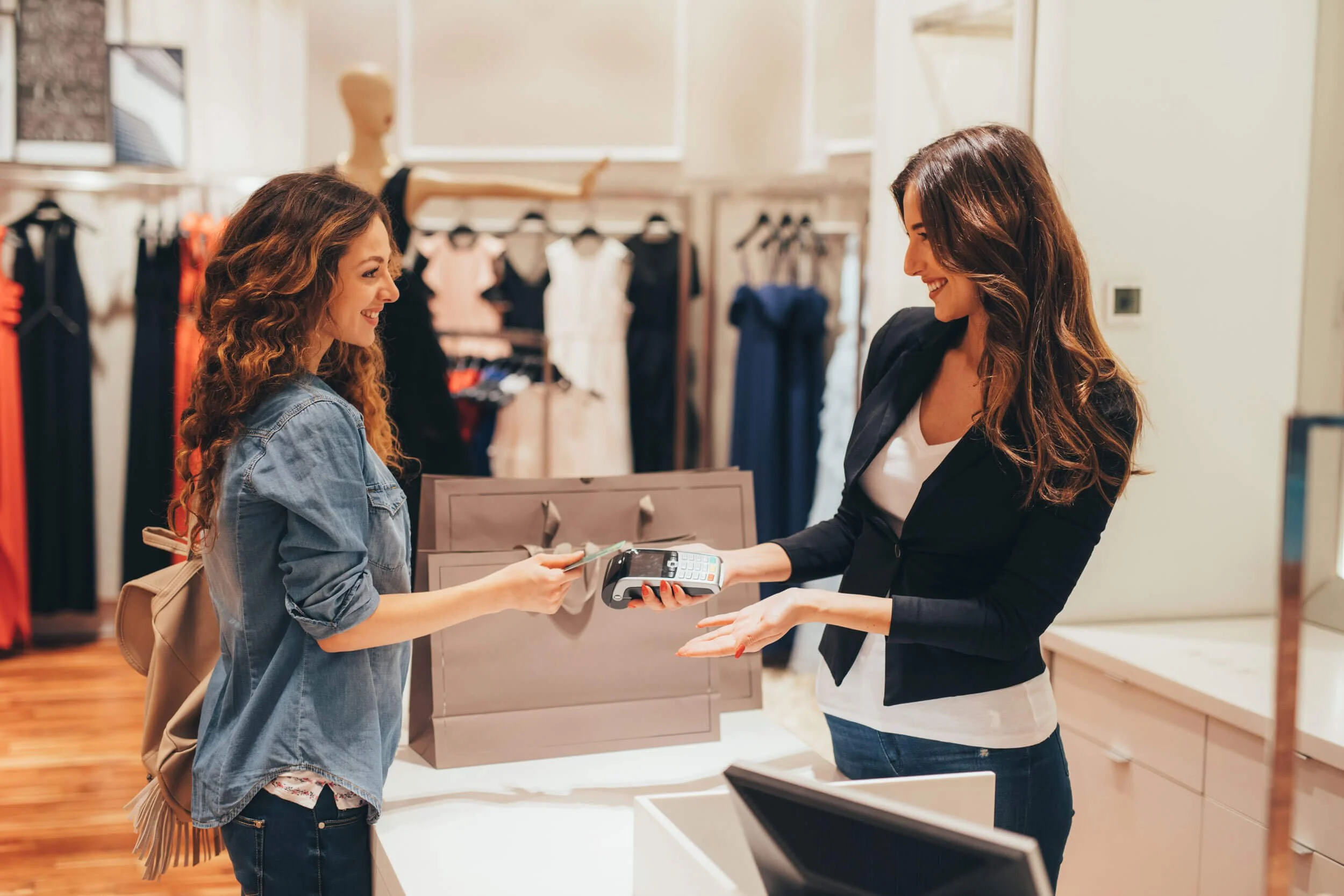
A surprising number of people assume getting a retail job is simple.
Walk into a store. Ask if they are hiring. Fill out an application. Wait.
Sometimes that works.
Often it does not.
Retail may be one of the most accessible industries in the job market, but accessibility should not be confused with ease. Every open position attracts applicants. Every retailer has specific expectations. Every hiring manager is searching for signals that a candidate can contribute to customer experiences, sales performance, and operational success.
The irony is that many applicants focus on what they lack.
No retail experience.
No sales background.
No industry knowledge.
Meanwhile, hiring managers are frequently evaluating something entirely different.
Can this person communicate effectively?
Can they learn quickly?
Can they work with customers?
Can they represent the brand well?
Those questions often matter more than people realize.
Retail has always been a business built around human interaction. Products matter. Pricing matters. Operations matter. Yet the employees customers encounter every day frequently shape the experience more than any other factor.
That reality creates opportunity.
Because while technical skills can be taught, qualities such as curiosity, reliability, adaptability, and customer focus are often harder to develop.
So if you are wondering how to get a retail job, the answer extends beyond submitting applications.
It involves understanding how retailers think about talent, what hiring managers value, and how to position yourself effectively.
Why Retail Remains a Popular Career Entry Point
Retail occupies a unique position within the employment landscape.
Many industries require extensive credentials before offering opportunities.
Retail often provides opportunities first and training afterward.
That distinction matters.
Retail jobs frequently attract:
- Students
- Career changers
- First-time job seekers
- Returning workforce participants
- Individuals seeking management experience
The industry offers exposure to customer service, sales, operations, inventory management, leadership, and business fundamentals.
In many cases, it becomes a starting point rather than a destination.
And that is precisely why so many successful careers begin there.
Understanding What Retailers Actually Want
One of the most common misconceptions about retail hiring is that experience is everything.
Experience helps.
It is rarely the entire story.
Most retailers prioritize a combination of skills, attitudes, and behaviors.
What Retail Hiring Managers Typically Value
| Attribute | Importance Level | Why It Matters |
|---|---|---|
| Reliability | Very High | Supports operations |
| Communication Skills | Very High | Improves customer interactions |
| Customer Focus | Very High | Drives service quality |
| Positive Attitude | High | Supports team culture |
| Adaptability | High | Handles changing situations |
| Teamwork | High | Improves store performance |
| Sales Ability | Moderate-High | Supports revenue goals |
| Technical Skills | Moderate | Can often be taught |
| Retail Experience | Helpful | Not always required |
The table highlights an important insight.
Many qualities retailers value are available to candidates regardless of prior work experience.
That creates opportunities for applicants who understand how to present themselves effectively.
Start by Identifying the Right Retail Role
Not all retail jobs are the same.
Different positions emphasize different responsibilities.
Understanding these distinctions can improve your job search considerably.
Common Retail Positions
Retail Associate
Often an entry-level role focused on:
- Customer service
- Product assistance
- Sales support
- Store operations
Cashier
Primarily responsible for:
- Processing transactions
- Handling payments
- Supporting customer service
Stock Associate
Focused on:
- Inventory management
- Product replenishment
- Receiving shipments
- Stockroom organization
Sales Associate
Often places greater emphasis on:
- Product recommendations
- Customer engagement
- Sales performance
The best role depends on your strengths, interests, and career objectives.
Choosing thoughtfully increases the likelihood of success.
Build a Resume That Highlights Transferable Skills
Many job seekers hesitate because they lack retail experience.
In reality, transferable skills frequently matter more.
Consider experiences from:
- School activities
- Volunteer work
- Sports teams
- Clubs
- Community involvement
- Previous jobs
These experiences often demonstrate valuable retail competencies.
Transferable Skills Retailers Appreciate
| Experience | Retail-Relevant Skill |
| Team sports | Teamwork |
| Volunteer work | Customer service |
| School projects | Communication |
| Leadership roles | Responsibility |
| Event planning | Organization |
| Hospitality work | Customer interaction |
The objective is helping employers see how your experiences connect to retail requirements.
The connection may be stronger than you think.
Tailor Every Application
One of the biggest mistakes applicants make is sending identical resumes to every employer.
Retailers notice.
A generic application often communicates limited interest.
A tailored application demonstrates effort.
Research the Retailer
Before applying:
- Visit the store
- Explore the website
- Understand the products
- Review company values
- Observe customer demographics
This information helps you customize your application and interview responses.
It also prepares you to explain why you want to work there specifically.
Specificity tends to resonate.
Apply Through Multiple Channels
Retail hiring occurs through various channels.
Successful applicants often use more than one.
Effective Application Methods
- Company career websites
- Job boards
- In-store applications
- Employee referrals
- Career fairs
- Local networking opportunities
Diversifying your approach increases visibility.
And visibility often improves outcomes.
The Power of Walking Into the Store
While many applications occur online, visiting the store can still create advantages.
The goal is not demanding an interview.
The goal is making a positive impression.
A brief interaction allows hiring managers to observe:
- Professionalism
- Communication skills
- Enthusiasm
- Presentation
These observations matter.
Retail remains a people-oriented business.
Sometimes a positive interaction can distinguish an applicant from dozens of online submissions.
Prepare for the Retail Interview
The interview often becomes the deciding factor.
Retail interviews frequently focus less on technical expertise and more on behavior.
Hiring managers want to understand how candidates approach real-world situations.
Common Retail Interview Topics
- Customer service experiences
- Problem-solving situations
- Teamwork examples
- Availability and scheduling
- Communication skills
- Handling difficult customers
Preparation matters because confidence tends to improve performance.
Practice Storytelling
Strong candidates often use examples.
Instead of saying:
"I work well with people."
Explain:
"A customer was frustrated during a volunteer event, and I helped resolve the issue by listening carefully and finding a solution."
Examples create credibility.
General statements rarely do.
Demonstrate Customer Service Potential
Many retail applicants focus heavily on sales.
Customer service often matters even more.
Retailers know product knowledge can be taught.
Interpersonal skills are harder to develop.
Traits That Signal Customer Service Strength
- Active listening
- Empathy
- Patience
- Professionalism
- Positive communication
Interviewers frequently evaluate these qualities throughout the conversation.
Not just through formal questions.
How you interact matters.
Availability Can Influence Hiring Decisions
Retail schedules often include:
- Evenings
- Weekends
- Holidays
- Peak shopping periods
Candidates with greater flexibility sometimes enjoy advantages.
That does not mean you should promise availability you cannot maintain.
Consistency matters more than unrealistic commitments.
Reliable scheduling reduces operational challenges.
Managers appreciate that.
A Lesson I Learned About Retail Hiring
Several years ago, I observed a hiring process for a specialty retailer.
One applicant possessed more direct retail experience than everyone else.
Another had never worked in retail.
At first glance, the experienced candidate appeared to be the obvious choice.
Yet the hiring manager selected the second applicant.
Why?
The answer was revealing.
The less experienced candidate demonstrated curiosity. She asked thoughtful questions about customers, products, and store culture. She communicated clearly. She expressed genuine enthusiasm for learning.
The hiring manager believed technical skills could be taught.
Attitude and engagement were harder to teach.
The decision proved successful.
That experience reinforced an important lesson.
Retail hiring often focuses less on what candidates know today and more on how they are likely to perform tomorrow.
Follow Up Professionally
Many applicants submit applications and simply wait.
A thoughtful follow-up can be beneficial.
Effective Follow-Up Practices
- Wait several days after applying
- Remain polite and professional
- Express continued interest
- Avoid excessive contact
The objective is demonstrating enthusiasm without creating pressure.
Professional persistence can leave a positive impression.
What If You Have No Work Experience?
This concern prevents many people from applying.
It should not.
Retail has long served as an entry point for first-time workers.
If you lack formal employment experience, emphasize:
- Academic achievements
- Volunteer activities
- Extracurricular involvement
- Leadership experiences
- Community participation
Employers often evaluate potential rather than experience alone.
Everyone starts somewhere.
Retailers understand that.
Developing Skills Before You Apply
If you want to strengthen your candidacy, focus on skills retailers value.
High-Impact Skill Areas
- Communication
- Customer service
- Time management
- Teamwork
- Problem solving
- Technology familiarity
These competencies improve employability across virtually all retail environments.
And they remain valuable throughout a career.
Turning a Retail Job Into a Career
Many people view retail as temporary.
Sometimes it is.
Sometimes it becomes something much larger.
Retail offers exposure to:
- Leadership
- Operations
- Merchandising
- Marketing
- Finance
- Supply chain management
Numerous retail executives began as sales associates or cashiers.
The progression is not unusual.
The industry often rewards performance and initiative.
This creates meaningful opportunities for advancement.
Why Attitude Often Outweighs Experience
Perhaps the most important insight about retail hiring is that employers frequently prioritize mindset.
Technical skills can be taught.
Products can be learned.
Systems can be mastered.
Attitude is different.
Retailers consistently seek candidates who are:
- Reliable
- Adaptable
- Curious
- Customer-focused
- Willing to learn
These qualities contribute to long-term success.
And they often influence hiring decisions more than applicants expect.
Conclusion: Getting a Retail Job Is Really About Demonstrating Value
At first glance, getting a retail job appears to be a straightforward process of applications, resumes, and interviews.
Those elements matter.
But they are not the entire story.
The provocative reality is that retailers are not merely hiring workers. They are hiring representatives of the brand. Every employee influences customer experiences, operational execution, team culture, and sales performance. Hiring managers therefore look beyond credentials. They look for evidence of potential.
That is why candidates who communicate effectively, demonstrate curiosity, show reliability, and express genuine interest often stand out. Experience matters. Potential matters more than many people realize.
Ultimately, the strongest retail applicants understand a simple principle: the goal is not convincing an employer that you have done the job before. The goal is convincing them that you can do the job well.
And in retail, where customer interactions shape business outcomes every day, that distinction can make all the difference.
- Arts
- Business
- Computers
- Juegos
- Health
- Home
- Kids and Teens
- Money
- News
- Personal Development
- Recreation
- Regional
- Reference
- Science
- Shopping
- Society
- Sports
- Бизнес
- Деньги
- Дом
- Досуг
- Здоровье
- Игры
- Искусство
- Источники информации
- Компьютеры
- Личное развитие
- Наука
- Новости и СМИ
- Общество
- Покупки
- Спорт
- Страны и регионы
- World

 English
 Russian
 French
 Portuguese
 Deutsch
 Turkish
 Dutch
Dutch
 Italiano
 Arabic
 Romaian
 Portuguese (Brazil)
 Greek
Greek
