
What industries suffer during inflation?
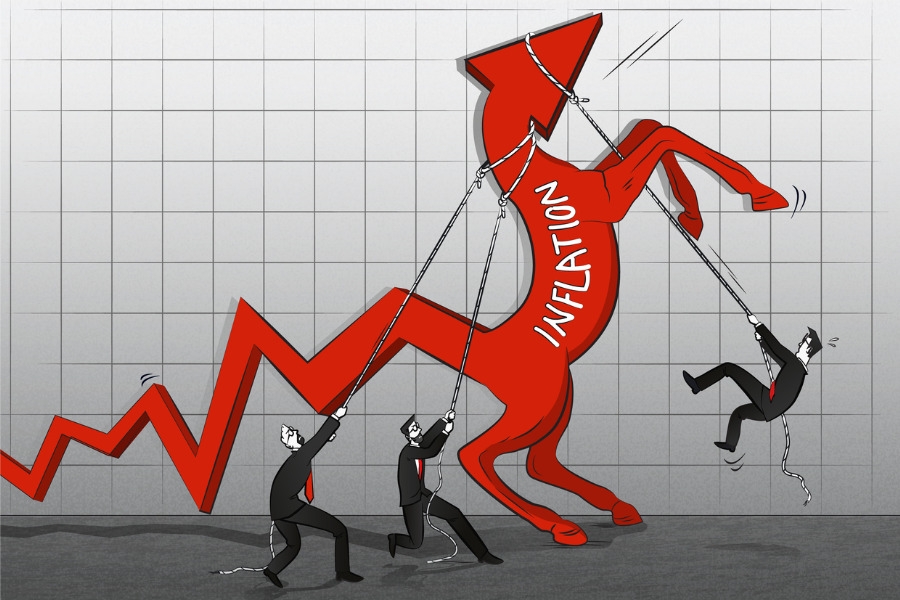
What Industries Suffer During Inflation?
Inflation affects nearly every part of the economy, but some industries experience greater pressure than others. When prices rise, businesses face higher costs for raw materials, labor, energy, and financing. At the same time, consumers often reduce spending because their purchasing power declines. Industries that depend heavily on discretionary spending, borrowing, or stable input costs are usually among the hardest hit.
While inflation does not affect all businesses equally, certain sectors tend to struggle more during periods of sustained price increases. Understanding which industries suffer during inflation can help investors, business owners, and consumers better prepare for economic challenges.
1. Retail and Consumer Discretionary Industries
Retail businesses, especially those selling non-essential goods, often suffer during inflation. As the cost of everyday necessities such as food, housing, and transportation rises, consumers have less money available for optional purchases.
Companies that sell products such as clothing, electronics, furniture, luxury goods, and entertainment often experience weaker demand. Consumers may delay buying a new smartphone, reduce restaurant visits, or choose cheaper alternatives.
Retailers also face higher operating expenses. Rent, employee wages, shipping costs, and inventory prices may increase, reducing profit margins. Businesses that cannot raise prices without losing customers may struggle to maintain profitability.
Discount retailers and companies offering essential products may perform better because consumers tend to shift toward lower-cost options during inflationary periods.
2. Restaurants and Hospitality
The restaurant and hospitality industries are particularly vulnerable to inflation because they operate with relatively thin profit margins. Rising prices for food ingredients, energy, wages, and rent can quickly increase operating costs.
Restaurants often face a difficult choice: raise menu prices or absorb higher expenses. Increasing prices may discourage customers, especially when households are already cutting back on spending.
Hotels and tourism businesses can also suffer because travel is often considered a discretionary expense. When consumers feel financially pressured, vacations, business trips, and entertainment activities may be reduced.
Labor costs are another major challenge. Many hospitality businesses rely on large workforces, and higher wages during inflation can significantly affect expenses.
3. Construction and Real Estate Development
Inflation can create major difficulties for the construction industry. Builders depend on materials such as steel, lumber, cement, and fuel, all of which can become more expensive when inflation rises.
Higher construction costs can make projects less profitable or force developers to delay new developments. If businesses and consumers face higher borrowing costs due to central bank interest rate increases, demand for new buildings and homes may decline.
Real estate developers are especially affected because construction projects often require significant financing. Higher interest rates increase loan costs, making large projects more expensive and reducing investment activity.
However, existing property owners may benefit from inflation because property values and rents can rise. The negative effects are often stronger for developers and buyers than for established owners.
4. Manufacturing Industries
Manufacturing companies can suffer during inflation because they often depend on global supply chains and large amounts of raw materials. Rising costs for metals, chemicals, energy, transportation, and labor can reduce profit margins.
Manufacturers may attempt to pass higher costs on to customers through price increases. However, if demand falls, companies may not be able to raise prices enough to protect profits.
Industries producing durable goods, such as automobiles, machinery, and appliances, can face additional challenges because consumers often postpone large purchases during uncertain economic conditions.
Manufacturers with strong pricing power, efficient supply chains, or long-term supplier agreements may be better positioned to manage inflation.
5. Transportation and Logistics
Transportation companies often experience significant pressure during inflation because fuel prices, vehicle costs, maintenance expenses, and wages tend to rise.
Airlines are especially sensitive to inflation because fuel is one of their largest expenses. Although airlines may increase ticket prices, higher fares can reduce demand.
Shipping and trucking companies also face challenges from higher fuel and labor costs. Businesses that rely on transportation services may push back against price increases, making it difficult for logistics companies to fully pass costs onto customers.
Inflation can also disrupt supply chains, creating additional uncertainty for transportation providers.
6. Financial Services and Banking
Inflation creates mixed effects for financial companies, but some areas of finance can suffer.
When inflation leads central banks to increase interest rates, borrowing becomes more expensive. This can reduce demand for mortgages, business loans, and consumer credit. Banks may see slower loan growth as households and companies become more cautious.
Higher interest rates can also reduce the value of existing bonds and other fixed-income investments held by financial institutions.
Consumer finance companies may struggle as customers facing higher living costs become more likely to delay payments or experience financial stress.
However, some banks may benefit from higher interest rates because they can earn more from lending activities. The impact depends on the company’s business model and economic conditions.
7. Technology Companies
Technology companies can be vulnerable during inflation, particularly high-growth firms that depend on investor funding or future growth expectations.
When inflation rises, central banks often increase interest rates to slow economic activity. Higher rates make future profits less valuable, which can pressure the stock prices of technology companies, especially those with high valuations.
Startups may also struggle because investors become more cautious and funding becomes harder to obtain. Companies that rely on rapid expansion may need to reduce hiring, cut expenses, or delay new projects.
However, established technology companies with strong cash flows and essential products may be more resilient.
8. Automotive Industry
The automotive industry faces several inflation-related challenges. Vehicle production depends on many costly inputs, including metals, semiconductors, energy, and transportation.
When vehicle prices rise, consumers may postpone purchases or choose cheaper models. Higher interest rates also make auto loans more expensive, reducing demand.
Automakers must balance increasing production costs with customer affordability. If they raise prices too much, sales may decline. If they absorb costs, profit margins may shrink.
Automotive suppliers can also suffer because they often have less ability to negotiate prices with large manufacturers.
9. Airlines and Travel Businesses
Travel-related industries are highly sensitive to changes in consumer confidence and disposable income. During inflation, people may reduce spending on flights, hotels, cruises, and other travel activities.
Airlines face higher costs for fuel, maintenance, aircraft financing, and employee wages. While they may increase ticket prices to compensate, higher prices can discourage travelers.
Travel companies that depend heavily on leisure customers are often more vulnerable than businesses serving essential travel needs.
10. Small Businesses Across Many Sectors
Small businesses are often among the most affected by inflation because they typically have fewer resources and less bargaining power than large corporations.
They may struggle with:
-
Higher supplier prices
-
Increased wages
-
Rising rent
-
More expensive loans
-
Reduced consumer spending
Large companies may negotiate better deals with suppliers or absorb temporary cost increases, while small businesses often have limited flexibility.
Many small businesses respond by raising prices, reducing expenses, improving efficiency, or adjusting their product offerings.
Why Some Industries Suffer More Than Others
Industries tend to suffer more during inflation when they have one or more of the following characteristics:
High dependence on raw materials: Businesses using large amounts of commodities or imported goods face greater cost increases.
Low profit margins: Companies with limited margins have less ability to absorb rising expenses.
High consumer sensitivity: Industries selling non-essential goods often experience demand declines.
Heavy reliance on borrowing: Businesses dependent on loans are hurt when interest rates rise.
Weak pricing power: Companies that cannot increase prices without losing customers face greater pressure.
Conclusion
Inflation creates challenges throughout the economy, but certain industries experience greater difficulties than others. Retail, hospitality, construction, manufacturing, transportation, technology, and other consumer-focused sectors often face rising costs, weaker demand, and financial pressure.
The industries most vulnerable to inflation are generally those with high operating costs, limited pricing power, or dependence on consumer spending and borrowing. However, companies with strong management, efficient operations, and the ability to adapt can often survive—and sometimes even grow—during inflationary periods.
Understanding how inflation affects different industries helps businesses make better decisions and allows investors and consumers to recognize where economic risks and opportunities may appear.
- Arts
- Business
- Computers
- Games
- Health
- Home
- Kids and Teens
- Money
- News
- Personal Development
- Recreation
- Regional
- Reference
- Science
- Shopping
- Society
- Sports
- Бизнес
- Деньги
- Дом
- Досуг
- Здоровье
- Игры
- Искусство
- Источники информации
- Компьютеры
- Личное развитие
- Наука
- Новости и СМИ
- Общество
- Покупки
- Спорт
- Страны и регионы
- World

 Russian
 French
 Spanish
 Portuguese
 Deutsch
 Turkish
 Dutch
Dutch
 Italiano
 Arabic
 Romaian
 Portuguese (Brazil)
 Greek
Greek