
Why are groceries more expensive?
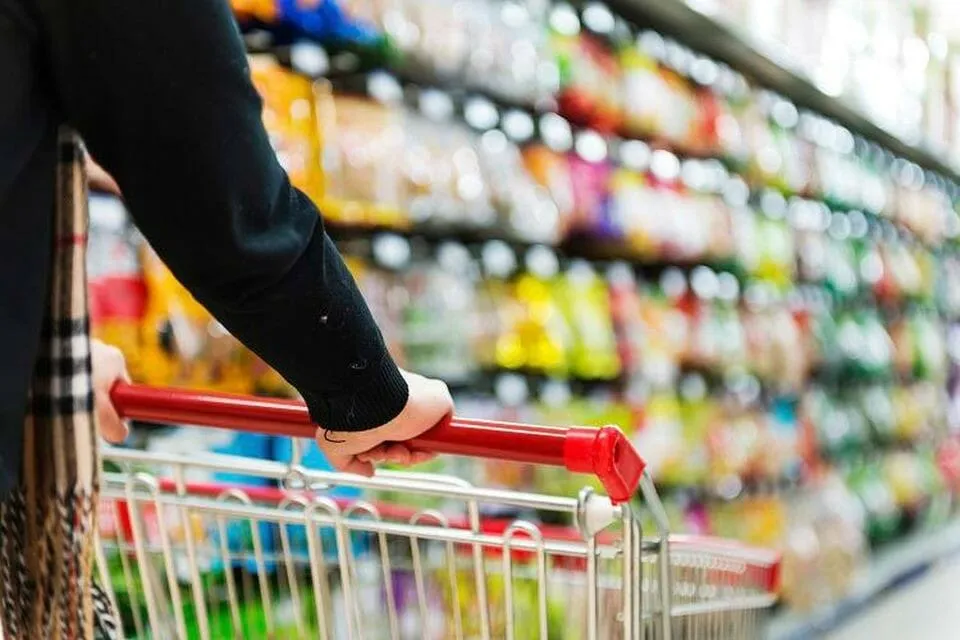
Why Are Groceries More Expensive?
For many households, grocery shopping has become noticeably more expensive over the past few years. Items that once fit comfortably within a weekly budget now cost significantly more, forcing families to rethink their spending habits. While rising grocery bills can feel frustrating, they are the result of several interconnected economic factors rather than a single cause.
This article explains why groceries have become more expensive, what drives food prices, and whether consumers can expect relief in the future.
The Main Reason: Inflation
One of the biggest reasons groceries cost more is inflation, which is the general increase in prices across an economy over time. When inflation rises, businesses face higher costs for producing and delivering goods. These additional expenses are often passed on to consumers through higher prices.
Food is particularly sensitive to inflation because it relies on numerous inputs, including labor, fuel, transportation, packaging, and energy. When any of these costs increase, grocery prices often follow.
Higher Production Costs
Growing crops and raising livestock require many resources. Farmers must pay for:
-
Seeds
-
Fertilizers
-
Animal feed
-
Fuel for machinery
-
Water and irrigation
-
Equipment maintenance
If these inputs become more expensive, producing food costs more. Farmers often have little choice but to charge wholesalers more, which eventually raises supermarket prices.
For example, if fertilizer prices double after a supply shortage, the cost of growing vegetables rises, leading to higher prices at the grocery store.
Rising Transportation Costs
Food usually travels long distances before reaching consumers. Trucks, trains, ships, and airplanes transport products from farms to processing plants, distribution centers, and supermarkets.
When fuel prices increase, transportation becomes more expensive. Since nearly every grocery item requires shipping, higher fuel costs affect almost every product on store shelves.
Fresh fruits, vegetables, seafood, and imported foods are especially vulnerable because they often require refrigerated transportation.
Labor Shortages and Higher Wages
The food industry depends on millions of workers, including:
-
Farm workers
-
Food processors
-
Truck drivers
-
Warehouse employees
-
Grocery store staff
Labor shortages can force employers to raise wages in order to attract and retain workers. While higher wages benefit employees, they also increase operating costs for businesses.
Retailers typically recover some of these higher labor expenses by increasing food prices.
Supply Chain Disruptions
Global supply chains became heavily disrupted during the COVID-19 pandemic, and some industries have continued to experience challenges.
Problems have included:
-
Shipping delays
-
Container shortages
-
Factory shutdowns
-
Port congestion
-
Limited transportation capacity
Even after many disruptions eased, supply chains remained more expensive and less efficient than before, contributing to higher grocery prices.
Weather and Climate Events
Agriculture depends heavily on favorable weather. Droughts, floods, hurricanes, heat waves, and unexpected frosts can damage crops or reduce harvests.
When supplies decline but consumer demand remains steady, prices usually rise.
Examples include:
-
Drought reducing wheat production
-
Frost damaging fruit orchards
-
Hurricanes affecting citrus crops
-
Floods delaying vegetable harvests
Climate change has increased the frequency and severity of some extreme weather events, making food production more unpredictable.
Higher Energy Costs
Energy plays a major role in food production.
Electricity and natural gas are used to:
-
Operate food processing plants
-
Refrigerate food
-
Heat greenhouses
-
Manufacture fertilizer
-
Store frozen products
When energy prices increase, businesses throughout the food supply chain face higher expenses, contributing to more expensive groceries.
Increased Demand
Demand also affects grocery prices.
When consumers buy more of certain products, stores may raise prices if supply cannot keep up. During periods of strong economic growth or population increases, demand for food rises naturally.
Temporary spikes in demand—such as panic buying before storms or during emergencies—can also cause short-term price increases.
Global Events
Food markets are increasingly interconnected.
International events can influence grocery prices worldwide, including:
-
Wars
-
Trade restrictions
-
Economic sanctions
-
Disease outbreaks affecting livestock
-
Export bans
-
Currency fluctuations
For example, if a major wheat-exporting country experiences conflict or poor harvests, global wheat supplies shrink, potentially raising the price of bread, pasta, and cereals in many countries.
Packaging Costs
Packaging materials have also become more expensive.
Manufacturers use:
-
Plastic
-
Glass
-
Aluminum
-
Cardboard
-
Paper
When the prices of these materials rise, food companies spend more packaging their products, contributing to higher retail prices.
Grocery Store Operating Costs
Supermarkets themselves face rising expenses, including:
-
Rent
-
Utilities
-
Employee wages
-
Insurance
-
Security
-
Technology systems
Even if food suppliers keep prices stable, grocery stores may increase prices to cover their own operating costs.
Why Some Foods Become More Expensive Than Others
Not every grocery item experiences the same price increases.
Fresh produce may rise because of poor harvests.
Meat prices often increase when animal feed becomes more expensive.
Dairy products can be affected by feed costs, labor shortages, and transportation expenses.
Imported foods may become more expensive because of shipping costs or exchange rate changes.
As a result, shoppers may notice significant price differences between product categories.
Corporate Profits and Pricing
Some consumers argue that large food manufacturers or grocery chains increase prices more than necessary to boost profits.
Economists continue to debate the extent to which corporate pricing contributes to grocery inflation. In some cases, companies facing strong consumer demand have maintained higher prices even after certain costs declined. However, higher input costs remain a major driver of food prices across the industry.
The impact varies between companies, products, and market conditions.
Why Prices Don't Usually Fall Quickly
Many people expect grocery prices to return to previous levels once inflation slows.
However, slowing inflation simply means prices are increasing more slowly—not that prices are falling.
For grocery prices to decline broadly, there would need to be deflation, which is an overall decrease in prices. Deflation is relatively uncommon because wages, production costs, and business expenses rarely move downward significantly.
Instead, prices often stabilize after periods of rapid inflation.
How Consumers Can Reduce Grocery Costs
Although consumers cannot control inflation, they can reduce grocery expenses by adopting smart shopping habits.
Helpful strategies include:
-
Planning meals before shopping
-
Buying store-brand products
-
Comparing unit prices
-
Purchasing seasonal produce
-
Using coupons and loyalty programs
-
Buying nonperishable items in bulk when discounted
-
Reducing food waste at home
Even small savings across multiple shopping trips can make a noticeable difference over time.
Will Grocery Prices Go Down?
Future grocery prices depend on several factors:
-
Inflation trends
-
Fuel prices
-
Weather conditions
-
Labor markets
-
Global trade
-
Agricultural production
If inflation continues to moderate and supply chains improve, grocery prices may increase more slowly. However, because production costs remain elevated in many sectors, a significant drop in overall grocery prices is generally considered less likely than a period of slower price growth.
Conclusion
Groceries have become more expensive because of a combination of inflation, higher production costs, increased transportation expenses, labor shortages, supply chain disruptions, weather-related challenges, rising energy prices, and global economic events. Each stage of the food supply chain contributes to the final price consumers pay at the checkout.
While higher grocery bills can strain household budgets, understanding the economic forces behind food prices helps explain why these increases occur. As inflation eases and supply conditions improve, grocery price growth may slow, but consumers should not necessarily expect prices to return to previous levels. Careful budgeting, smart shopping strategies, and staying informed about economic trends remain the most effective ways to manage rising food costs.
- Arts
- Business
- Computers
- Games
- Health
- Home
- Kids and Teens
- Money
- News
- Personal Development
- Recreation
- Regional
- Reference
- Science
- Shopping
- Society
- Sports
- Бизнес
- Деньги
- Дом
- Досуг
- Здоровье
- Игры
- Искусство
- Источники информации
- Компьютеры
- Личное развитие
- Наука
- Новости и СМИ
- Общество
- Покупки
- Спорт
- Страны и регионы
- World

 Russian
 French
 Spanish
 Portuguese
 Deutsch
 Turkish
 Dutch
Dutch
 Italiano
 Arabic
 Romaian
 Portuguese (Brazil)
 Greek
Greek