
Is inflation good or bad?
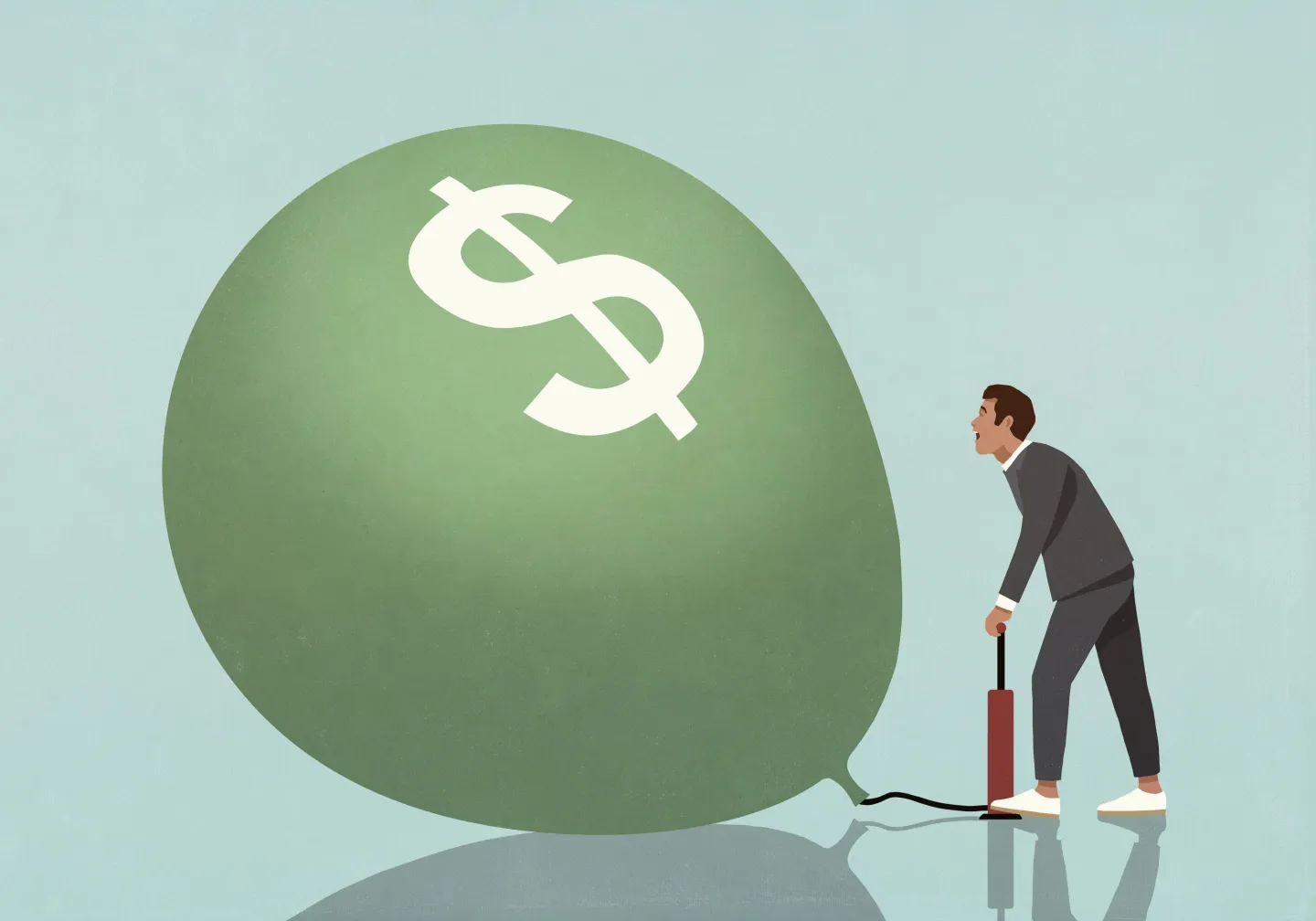
Is Inflation Good or Bad?
Inflation is one of the most discussed economic concepts because it affects nearly everyone. Whether you are buying groceries, saving money, paying rent, or running a business, inflation influences the cost of living and the value of money. Simply put, inflation is the general increase in prices of goods and services over time. As prices rise, the purchasing power of money declines, meaning that the same amount of money buys fewer goods and services than before.
A common question is whether inflation is good or bad. The answer is not straightforward. Inflation can have both positive and negative effects depending on its rate, causes, and how well the economy adapts to it. Moderate inflation is often considered healthy for an economy, while very high or unpredictable inflation can create serious economic problems.
The Benefits of Inflation
A low and stable rate of inflation, usually around 2% per year in many countries, is often viewed as a sign of a growing economy. One of its main advantages is that it encourages spending and investment. If people expect prices to rise slightly in the future, they are more likely to purchase goods and services today rather than wait. Increased consumer spending helps businesses grow, leading to higher production, greater profits, and more job opportunities.
Inflation can also benefit borrowers. If wages increase along with inflation, people can repay loans with money that is worth slightly less than when they borrowed it. For example, homeowners with fixed-rate mortgages may find that their monthly payments become easier to afford as their incomes rise over time.
Businesses may also benefit from moderate inflation because they can gradually increase the prices of their products while expanding operations. As demand grows, companies may hire more workers and invest in new technologies, supporting economic development.
Another advantage is that moderate inflation reduces the risk of deflation, which is the opposite of inflation. During deflation, prices continually fall, causing consumers to delay purchases in anticipation of lower prices. This reduction in spending can slow economic growth, reduce business profits, and increase unemployment.
The Drawbacks of Inflation
Although moderate inflation can be beneficial, high inflation often creates significant challenges. The most obvious problem is the rising cost of living. As prices increase, households must spend more money on necessities such as food, housing, transportation, and healthcare. If wages do not increase at the same pace, people's real income declines, making it harder to maintain their standard of living.
Inflation also reduces the value of savings. Money kept in a savings account earns interest, but if inflation rises faster than the interest rate, the purchasing power of those savings decreases. This particularly affects retirees and others who rely on fixed incomes.
Businesses can also face difficulties during periods of high inflation. Rising costs for raw materials, labor, and transportation increase production expenses. Companies may pass these costs on to consumers through higher prices, but if customers cannot afford them, sales may decline. Small businesses often struggle the most because they have fewer resources to absorb rising costs.
High inflation creates uncertainty in the economy. Consumers become unsure about future prices, businesses hesitate to invest, and investors demand higher returns to compensate for increased risk. This uncertainty can slow economic growth and reduce employment opportunities.
When Inflation Becomes Dangerous
Inflation becomes especially harmful when it rises rapidly or becomes unpredictable. Extreme inflation, known as hyperinflation, can destroy an economy. In such situations, prices may increase dramatically within days or even hours, causing money to lose its value quickly. People may rush to spend their income immediately because waiting even a short time means their money will buy much less.
History provides several examples of hyperinflation, including Germany in the early 1920s and Zimbabwe during the late 2000s. In these cases, ordinary citizens struggled to afford basic necessities, businesses closed, and confidence in the national currency collapsed.
How Governments Control Inflation
Most countries rely on central banks to maintain price stability. Central banks use monetary policy to keep inflation at manageable levels. One common tool is adjusting interest rates. When inflation rises too quickly, central banks may increase interest rates to reduce borrowing and spending. As demand slows, price increases tend to moderate.
Governments can also use fiscal policy by adjusting taxes or public spending to influence economic activity. While these policies cannot eliminate inflation entirely, they help keep it within a range that supports long-term economic growth.
Finding the Right Balance
The key issue is not whether inflation exists but how much inflation is present. Too little inflation may signal weak demand and slow economic growth, while too much inflation reduces purchasing power and creates financial instability. Economists generally agree that low, predictable inflation provides the best environment for sustainable growth because it encourages spending, investment, and employment while preserving confidence in the economy.
Individuals can also protect themselves from inflation by investing wisely, improving their skills to increase earning potential, and planning their finances carefully. Diversified investments and assets that tend to appreciate over time can help preserve purchasing power.
Conclusion
Inflation is neither entirely good nor entirely bad. Its impact depends largely on its level and stability. Moderate inflation can stimulate economic growth, encourage spending and investment, and reduce the risk of deflation. However, high or uncontrolled inflation raises the cost of living, erodes savings, creates uncertainty, and can seriously damage an economy.
Therefore, the goal of economic policy is not to eliminate inflation but to keep it low, stable, and predictable. When managed effectively, inflation can support a healthy economy. When left unchecked, it becomes a major obstacle to financial security and long-term prosperity.
- Arts
- Business
- Computers
- Games
- Health
- Home
- Kids and Teens
- Money
- News
- Personal Development
- Recreation
- Regional
- Reference
- Science
- Shopping
- Society
- Sports
- Бизнес
- Деньги
- Дом
- Досуг
- Здоровье
- Игры
- Искусство
- Источники информации
- Компьютеры
- Личное развитие
- Наука
- Новости и СМИ
- Общество
- Покупки
- Спорт
- Страны и регионы
- World

 Russian
 French
 Spanish
 Portuguese
 Deutsch
 Turkish
 Dutch
Dutch
 Italiano
 Arabic
 Romaian
 Portuguese (Brazil)
 Greek
Greek