
What is a good interest rate?
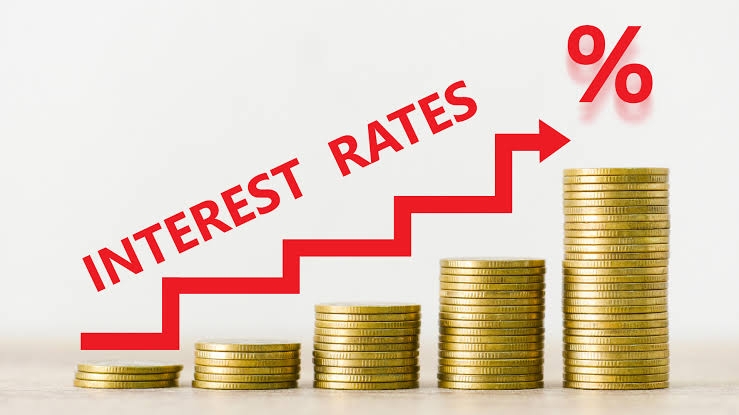
What Is a Good Interest Rate?
A “good” interest rate depends on what you are borrowing or saving, the current economic environment, and your personal financial situation. A rate that is excellent for a savings account could be expensive for a credit card, while a mortgage rate that looks high today may have been considered attractive at another point in time.
Understanding what makes an interest rate good can help you compare financial products, estimate costs, and make better decisions with your money.
What Does an Interest Rate Mean?
An interest rate is the percentage charged for borrowing money or paid for keeping money in an interest-bearing account.
When you borrow money, the interest rate represents part of the cost of the loan. Generally, a lower rate means you pay less interest over time.
When you save or invest money in an interest-bearing account, the rate represents what the financial institution pays you for allowing it to use your money. In this situation, a higher rate is generally better, assuming the account has reasonable terms and risks.
The rate alone, however, does not tell the whole story. Fees, repayment periods, compounding, introductory offers, and other conditions can significantly affect the actual cost or return.
What Is a Good Interest Rate for Savings?
For savings accounts, a good interest rate is generally one that is competitive with comparable accounts and keeps your money growing while maintaining appropriate safety and accessibility.
High-yield savings accounts often offer substantially higher rates than traditional savings accounts, although rates can change over time. If you have money sitting in a low-interest account, moving some of it to a competitive savings account may increase your interest earnings without requiring you to take significant investment risk.
When comparing savings rates, look at the annual percentage yield (APY) rather than simply the stated interest rate. APY accounts for the effect of compounding and gives you a better indication of how much you could earn over a year.
Also check for:
-
Monthly maintenance fees
-
Minimum balance requirements
-
Withdrawal restrictions
-
Promotional or introductory rates
-
Whether the rate is variable
-
Deposit insurance or other protections
A slightly higher rate may not be worthwhile if it comes with significant fees or restrictions.
What Is a Good Mortgage Interest Rate?
Mortgage rates vary considerably based on market conditions and the borrower's circumstances. Your credit history, loan-to-value ratio, loan term, loan type, income, and other factors can affect the rate you are offered.
Instead of asking whether a mortgage rate is universally “good,” compare several offers available to borrowers with similar circumstances.
For example, when comparing two mortgages, consider both the interest rate and the annual percentage rate (APR). APR can incorporate certain loan costs and may provide a more complete picture of the borrowing expense.
The loan term also matters. A lower monthly payment from a longer mortgage may come with substantially more interest paid over the life of the loan.
What Is a Good Rate for a Personal Loan?
Personal loan rates can vary widely because these loans are often unsecured. Lenders typically consider factors such as your credit score, income, existing debts, loan amount, and repayment term.
Generally, a good personal loan rate is one that is relatively low compared with other offers available to borrowers with a similar credit profile.
Don't automatically choose the lender advertising the lowest possible rate. The advertised rate may be available only to borrowers with excellent credit. Instead, compare the rate you actually qualify for.
Also consider origination fees, late fees, prepayment penalties, and the total amount you will repay.
What Is a Good Credit Card Interest Rate?
Credit card interest rates are generally much higher than rates on secured loans such as mortgages. Because of this, even a modest difference in the rate can become expensive if you carry a balance.
A good credit card interest rate is typically a low rate relative to other cards for which you qualify. However, the best way to avoid credit card interest is usually to pay the statement balance in full by the due date, provided your card's terms allow you to do so without losing benefits.
If you regularly carry a balance, consider comparing cards based on their ongoing APR rather than focusing only on rewards, introductory bonuses, or other features.
Fixed vs. Variable Interest Rates
Whether a rate is fixed or variable is another important consideration.
A fixed interest rate stays the same for the agreed period. This can make payments easier to predict and protect you from future rate increases.
A variable interest rate can change based on market conditions or a benchmark rate. A variable rate may initially be lower than a fixed rate, but it carries the risk that your payments or interest costs could increase.
Neither type is automatically better. The right choice depends on your financial circumstances, expectations, and tolerance for changing payments.
Don't Compare Rates in Isolation
A common mistake is focusing only on the interest rate.
Suppose one loan has a slightly lower rate but significantly higher fees. Another loan has a slightly higher rate but fewer fees. The second option could ultimately cost less.
When comparing borrowing products, consider:
-
Interest rate
-
APR
-
Fees
-
Loan term
-
Monthly payment
-
Total interest
-
Total amount repaid
-
Fixed or variable rate
-
Penalties and restrictions
For savings products, consider the APY, fees, minimum balances, withdrawal rules, and whether the rate can change.
How Your Credit Affects Your Rate
Your credit profile can have a major impact on the interest rate you receive. Lenders generally view borrowers with stronger credit histories as lower risk and may offer them more favorable rates.
Improving your credit can therefore make borrowing less expensive. Depending on your situation, useful steps may include paying bills on time, reducing outstanding debt, limiting unnecessary applications for new credit, and checking your credit reports for errors.
However, credit score is only one factor. Lenders may also consider income, employment, debt obligations, collateral, loan amount, and other information.
The Bottom Line
There is no single interest rate that qualifies as “good” for everyone. A good rate depends on the type of financial product, current market conditions, your creditworthiness, and the complete terms of the agreement.
For borrowing, lower is generally better, but you should compare the total cost rather than the advertised rate alone. For savings, higher is generally better, provided the account offers suitable access, reasonable fees, and appropriate protections.
Before accepting an interest rate, compare multiple offers and look beyond the headline percentage. Understanding the rate, fees, repayment terms, and total cost or return can help you determine whether an offer is genuinely good for your financial situation.
- Arts
- Business
- Computers
- Games
- Health
- Home
- Kids and Teens
- Money
- News
- Personal Development
- Recreation
- Regional
- Reference
- Science
- Shopping
- Society
- Sports
- Бизнес
- Деньги
- Дом
- Досуг
- Здоровье
- Игры
- Искусство
- Источники информации
- Компьютеры
- Личное развитие
- Наука
- Новости и СМИ
- Общество
- Покупки
- Спорт
- Страны и регионы
- World

 Russian
 French
 Spanish
 Portuguese
 Deutsch
 Turkish
 Dutch
Dutch
 Italiano
 Arabic
 Romaian
 Portuguese (Brazil)
 Greek
Greek