
What is international trade?
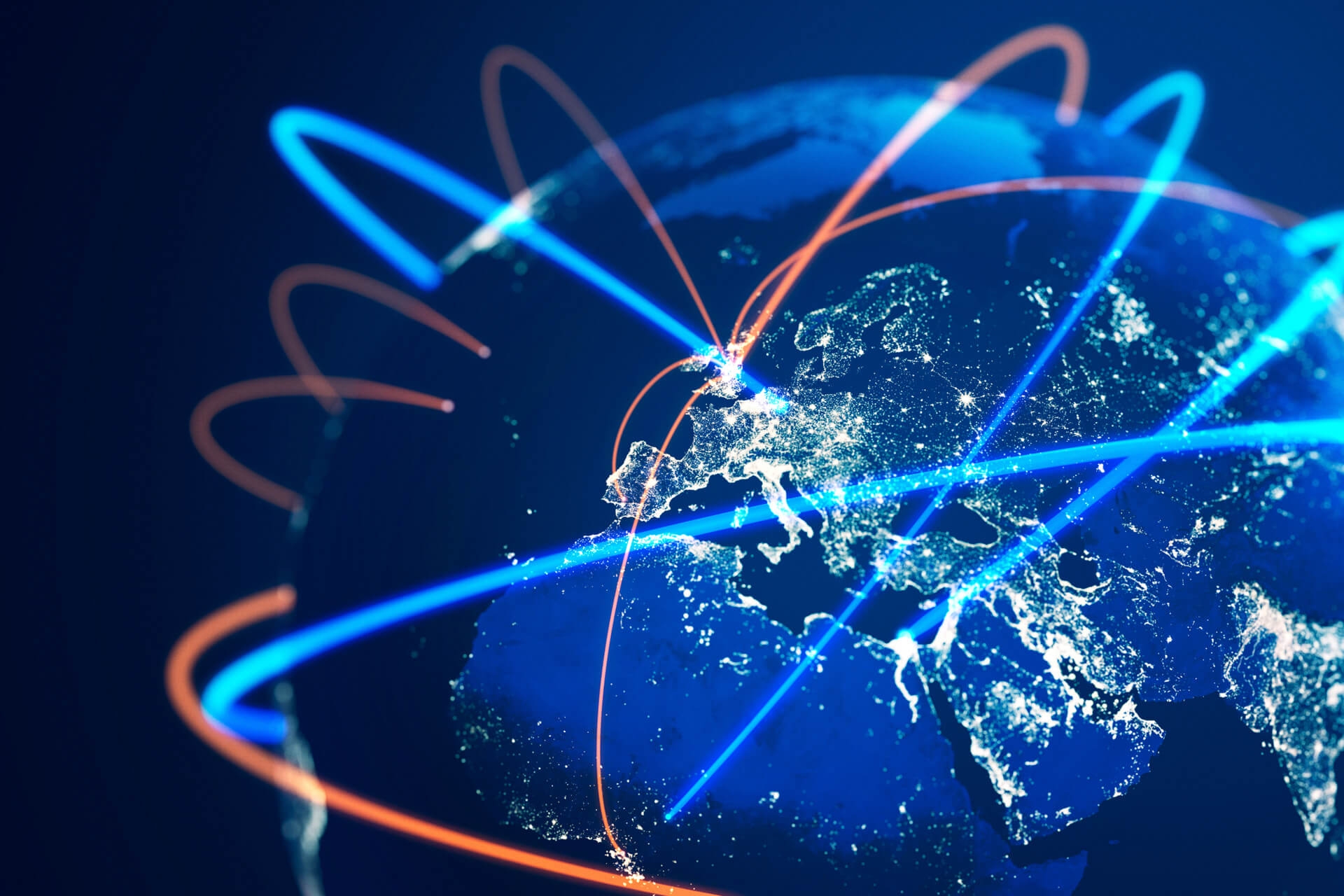
What Is International Trade?
International trade refers to the exchange of goods and services between individuals, businesses, and governments in different countries. It allows countries to buy products they cannot efficiently produce themselves and sell products in which they have an advantage. International trade is a fundamental part of the global economy and connects countries through markets, supply chains, investment, and economic cooperation.
From everyday products such as clothing, electronics, and food to services such as banking, tourism, transportation, and software development, international trade affects the lives of billions of people. It creates opportunities for businesses, provides consumers with greater choices, and enables countries to benefit from their economic strengths.
Definition of International Trade
International trade is the buying and selling of goods and services across national borders. When a country sells products or services to another country, it is called an export. When a country purchases products or services from another country, it is called an import.
For example, if Germany sells automobiles to the United States, Germany is exporting automobiles while the United States is importing them. Similarly, if Japan purchases oil from another country, the oil is an import for Japan and an export for the country supplying it.
International trade can involve physical products, known as merchandise trade, as well as services, known as trade in services. Services traded internationally include tourism, transportation, financial services, education, consulting, telecommunications, and information technology.
Why Does International Trade Exist?
Countries have different natural resources, climates, technologies, labor forces, skills, and levels of economic development. As a result, no country can produce every good and service as efficiently as another country.
International trade allows countries to specialize in producing goods and services where they have a relative advantage. This principle is closely related to the economic concept of comparative advantage. A country may specialize in products it can produce at a lower opportunity cost and trade with other countries for products that are relatively more expensive for it to produce domestically.
For example, a country with a favorable climate may specialize in agricultural products, while another country with advanced technology and skilled workers may specialize in machinery or electronics. By trading with each other, both countries can gain access to a wider range of products.
Major Types of International Trade
International trade can take several forms.
1. Trade in Goods
Trade in goods involves the international exchange of physical products. These may include:
-
Agricultural products
-
Oil and natural gas
-
Minerals and metals
-
Machinery
-
Automobiles
-
Clothing
-
Electronics
-
Food and beverages
Trade in goods is one of the most visible forms of international economic activity.
2. Trade in Services
Services can also be bought and sold internationally. Examples include:
-
Tourism and travel
-
Banking and financial services
-
Insurance
-
Transportation
-
Software development
-
Consulting
-
Education
-
Telecommunications
The growth of digital technology has made it easier for businesses to provide services to customers in other countries without physically moving a product across a border.
3. Bilateral Trade
Bilateral trade occurs between two countries. For example, two countries may establish agreements governing the exchange of goods and services between them.
4. Multilateral Trade
Multilateral trade involves several countries. It often takes place within international trade frameworks and agreements designed to reduce barriers and establish common rules.
Benefits of International Trade
International trade provides several important economic benefits.
Greater Consumer Choice
Trade gives consumers access to products that may not be available domestically. A supermarket, for example, may sell fruits, coffee, spices, electronics, or other products imported from different parts of the world.
Lower Prices
International competition can reduce production costs and encourage businesses to offer competitive prices. Countries can import goods from producers that can manufacture them more efficiently.
Economic Specialization
International trade encourages countries to specialize in industries where they have comparative advantages. Specialization can improve productivity and make resources more efficient.
Larger Markets for Businesses
International markets allow businesses to sell their products to customers beyond their domestic market. A company that has limited demand at home may find significant opportunities in foreign markets.
Job Creation
Export-oriented industries can create employment in manufacturing, agriculture, transportation, technology, finance, and other sectors. International trade also supports jobs indirectly through supply chains.
Access to Resources and Technology
Countries can import raw materials, machinery, technologies, and specialized services that support domestic production and economic development.
Economic Growth
By increasing production, investment, employment, and market opportunities, international trade can contribute to economic growth. Developing countries can particularly benefit when international markets provide opportunities for their businesses to expand.
Challenges of International Trade
Despite its advantages, international trade also creates challenges.
Competition for Domestic Businesses
Imported products can compete with goods produced by domestic companies. Businesses that cannot compete on price, quality, or efficiency may lose market share.
Job Losses in Certain Industries
While trade can create jobs, it can also reduce employment in industries facing strong foreign competition. Workers may need retraining or assistance when industries decline.
Trade Deficits
A country has a trade deficit when the value of its imports of goods and services exceeds the value of its exports. Trade deficits are not automatically harmful, but persistent deficits can become a concern depending on their causes and economic circumstances.
Dependence on Foreign Suppliers
Heavy dependence on imports can make countries vulnerable to international disruptions. Wars, natural disasters, pandemics, transportation problems, or political conflicts can interrupt supply chains.
Environmental Concerns
International production and transportation can contribute to pollution, resource depletion, and greenhouse gas emissions. Environmental standards can also differ between countries.
Barriers to International Trade
Although international trade can provide substantial benefits, governments sometimes restrict trade to protect domestic industries or pursue other economic and political objectives.
Common trade barriers include tariffs, quotas, subsidies, and regulations.
A tariff is a tax placed on imported goods. It increases the cost of imports and may make domestic products more competitive.
A quota limits the quantity of a particular product that can be imported.
A subsidy is financial assistance provided by a government to domestic producers. It can help local businesses compete with foreign producers.
Governments may also establish regulations, licensing requirements, product standards, or other measures that affect international trade.
International Trade and Globalization
International trade is closely connected to globalization. Globalization has increased the integration of national economies through trade, investment, technology, transportation, and communication.
Modern companies often operate international supply chains. A product may be designed in one country, use raw materials from several countries, be manufactured in another country, and then be sold around the world.
Advances in transportation and digital communication have made international trade faster and more accessible. Businesses of different sizes can now reach customers in foreign markets through e-commerce and digital platforms.
Role of International Trade Organizations
International trade requires rules and cooperation because countries have different economic policies and regulations. International organizations and trade agreements help establish frameworks for cross-border commerce.
The World Trade Organization (WTO) is one of the most important international institutions in this area. It provides a framework for negotiating trade rules and resolving certain trade disputes between member economies.
Countries may also establish regional or bilateral trade agreements that reduce tariffs, simplify customs procedures, and encourage economic cooperation.
Conclusion
International trade is the exchange of goods and services across national borders. It enables countries to specialize, access resources, reach larger markets, and provide consumers with a wider range of products and services. Through exports and imports, international trade connects national economies and plays a major role in economic growth and globalization.
However, international trade also presents challenges, including competition for domestic industries, adjustment of employment, supply-chain risks, trade disputes, and environmental concerns. Effective trade policies therefore seek to balance the benefits of global economic integration with the need to support workers, businesses, consumers, and sustainable development.
Overall, international trade is an essential component of the modern global economy. By allowing countries to exchange what they produce efficiently for what they need from others, it can increase economic opportunities and improve access to goods and services around the world.
- Arts
- Business
- Computers
- Juegos
- Health
- Home
- Kids and Teens
- Money
- News
- Personal Development
- Recreation
- Regional
- Reference
- Science
- Shopping
- Society
- Sports
- Бизнес
- Деньги
- Дом
- Досуг
- Здоровье
- Игры
- Искусство
- Источники информации
- Компьютеры
- Личное развитие
- Наука
- Новости и СМИ
- Общество
- Покупки
- Спорт
- Страны и регионы
- World

 English
 Russian
 French
 Portuguese
 Deutsch
 Turkish
 Dutch
Dutch
 Italiano
 Arabic
 Romaian
 Portuguese (Brazil)
 Greek
Greek