
Game-Based Learning
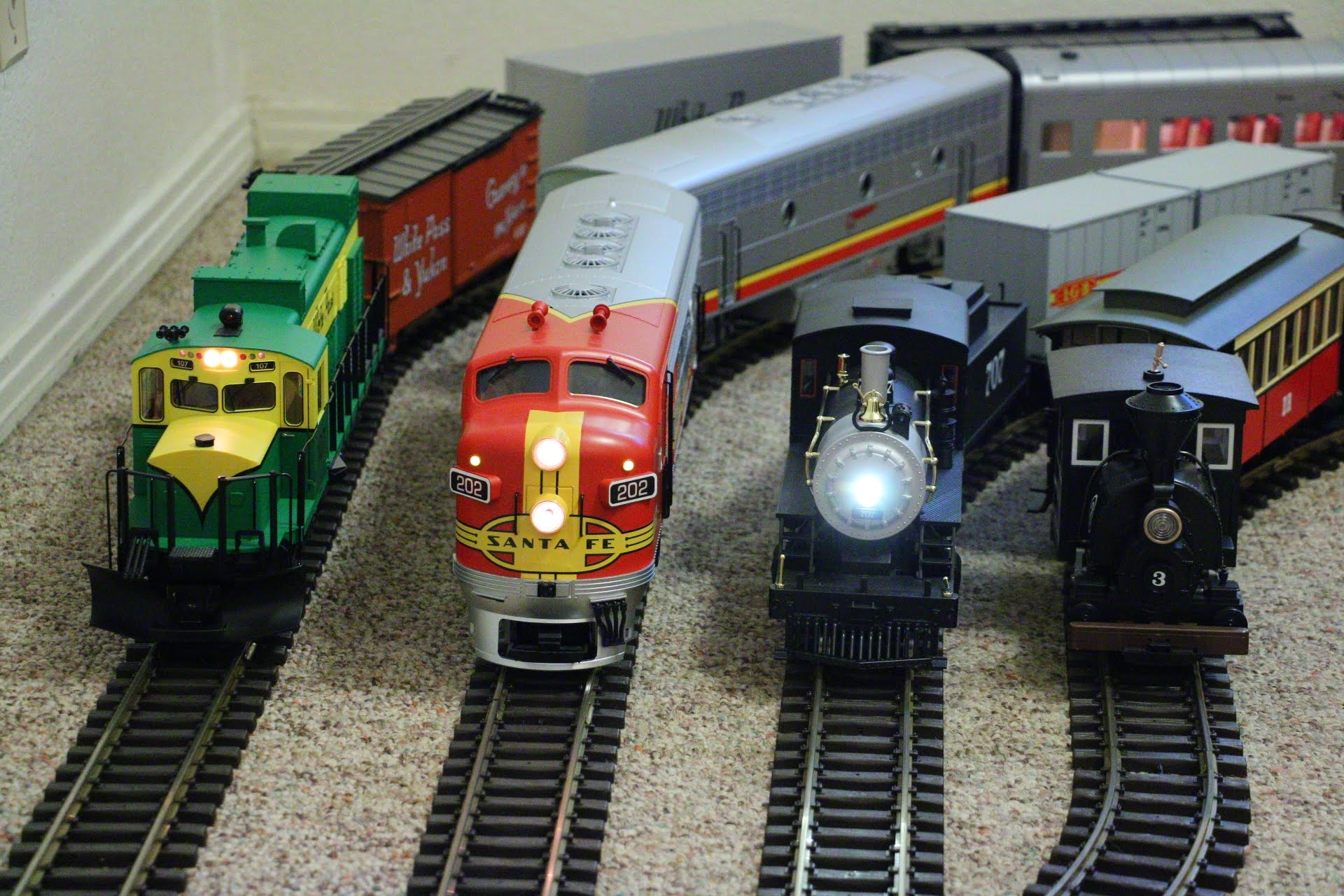
The world of adults is incomprehensible to a small child. Adults do so much! There are police officers, engineers, pilots, doctors, and thousands of other professions. But children are interested in only one thing – play. During the games, they not only have fun, but also learn.
Play-based learning is an approach that uses play as a natural way for children to explore, learn, and develop. He acknowledges that young children learn best when they are actively engaged and entertained.
Traditional teaching methods often rely on rote memorization. Play-based learning emphasizes exploration, creativity, and hands-on experience. It is more fun and effective for young children as it matches their natural curiosity and developmental needs.
At the heart of this game-based learning is science. For example, research in developmental psychology and neuroscience shows that play is essential for children's cognitive, social, emotional, and physical development. The game stimulates the growth of neural connections in the brain, promoting problem-solving, creativity and self-control. This is facilitated by open-type toys that children can explore at their own pace.
Key Principles of Game-Based Learning
To effectively support game-based learning, keep the following key principles in mind:
Under the guidance of the child. Follow your child's interests and allow them to take the lead in their learning journey.
An open-ended type of game. Give children the opportunity to explore and experiment without a predetermined outcome.
Process-oriented. Focus on the learning process, not on specific outcomes.
Safe and supportive environment. The safer your child feels, the more risk they are willing to take. Of course, a safe physical environment is important, but a reliable connection with parents is also important. The more positive and open-minded the parent is, the more confident the child feels.
Best Games for Game-Based Learning
Wooden Cubes
Role play: toy kitchen, supermarket checkout, dollhouses or wooden railroad
Crafts
Puzzles & Board Games
Sensory Toys: Plasticine, Kinetic Sand and Sensory Boxes Filled with Various Materials
Outdoor play toys: tricycles, jump ropes, balls and crayons
Musical Instruments
When choosing playful learning toys, focus on those that offer multiple ways to play, encourage creativity and critical thinking, and promote active participation rather than passive entertainment.
- Arts
- Business
- Computers
- Spiele
- Health
- Startseite
- Kids and Teens
- Geld
- News
- Personal Development
- Recreation
- Regional
- Reference
- Science
- Shopping
- Society
- Sports
- Бизнес
- Деньги
- Дом
- Досуг
- Здоровье
- Игры
- Искусство
- Источники информации
- Компьютеры
- Личное развитие
- Наука
- Новости и СМИ
- Общество
- Покупки
- Спорт
- Страны и регионы
- World

 English
 Russian
 French
 Spanish
 Portuguese
 Turkish
 Dutch
Dutch
 Italiano
 Arabic
 Romaian
 Portuguese (Brazil)
 Greek
Greek