
"Veterinary medicine is exciting!"
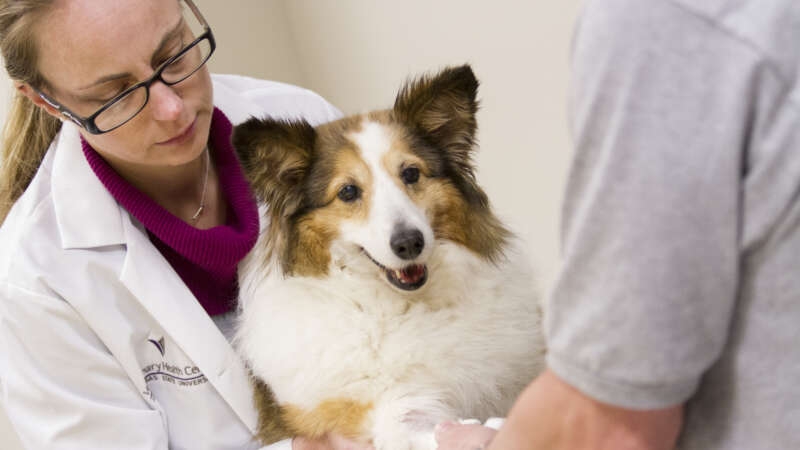
"Veterinary medicine is exciting!"
Veterinary medicine is a field of scientific knowledge and practical activities aimed at combating animal diseases, protecting people from zooanthroponosis, producing healthy animal products and solving veterinary and sanitary problems of environmental protection. Veterinary medicine unites three conditionally distinguished groups of disciplines: 1) veterinary-biological, studying the structure and vital activity of healthy and sick organisms of animals, pathogens, the effect of drugs on the body (normal and pathological morphology and physiology of animals, veterinary microbiology, virology, pharmacology, etc.); 2) clinical, studying animal diseases, methods of their recognition, prevention and elimination (epizootology and infectious diseases, parasitology and invasive diseases, internal non-communicable animal diseases, veterinary surgery, obstetrics, gynecology, etc.); 3) veterinary-sanitary, studying the impact of external factors on the organism and the problems of optimizing the habitat of animals, as well as improving the quality of products and raw materials of animal origin (zoohygiene, veterinary sanitation, veterinary sanitary expertise). Veterinary medicine is closely related to animal science, medicine, chemistry, biology and other natural sciences.
Objects of veterinary medicine are all types of agricultural, domestic, wild animals, as well as products and raw materials of animal origin, feed, water, livestock buildings, pastures, fishery reservoirs, means for transporting livestock, poultry, livestock products. The introduction of veterinary achievements into practice, the organic merger of veterinary measures with the technology of animal husbandry is an indispensable condition for its development. The control of diseases common to humans and animals, the supervision of the quality of livestock products contribute to reducing the incidence of diseases and improving the well-being of the population. A veterinarian (from the Latin veterinarius – concerning draught cattle, veterinus – draught cattle) is a doctor who treats animals. In order to accurately and clearly understand the importance of a veterinarian in today's world, we need to remember the saying that doctors treat people, and "veterinarians heal all of humanity." These words speak for themselves. This profession originated in the distant past.
Translated from Latin, the word means "treating cattle". Animal healers, who appeared in pastoral tribes, used tinctures and decoctions of herbs in their work. Over time, the list of plants used to treat animals has increased significantly. The inhabitants of ancient Egypt could even receive a special education by learning the science of how to treat animals in a special educational institution that had the symbolic name of the "House of Life." Today, veterinary medicine has many specializations, such as ichthyopathology (treatment of fish), veterinary pharmacy, diseases of exotic animals, etc. It is entrusted with the functions of quality control of products of animal origin that are placed on the market. Veterinary services are engaged in the study of pathogens of infectious diseases, the search for new means of preventing animal diseases.
In an effort to prevent the spread of diseases that are common to both humans and animals, veterinarians constantly conduct examinations of products and agricultural raw materials in order to obtain the maximum possible increase in livestock. Any veterinarian should, first of all, love animals, have the talent to treat them. Even a good doctor, who has a great deal of knowledge, but does his work without love, can be rejected by the animals, and all his efforts will come to nothing. A person of this profession requires responsibility, dedication, accuracy, observation, knowledge of animal behavior and symptoms of various diseases.
Microbiology is the science that studies microscopic creatures called microorganisms or microbes. Depending on the ecological characteristics of microorganisms, the conditions of their habitat, the established relations with the environment, and depending on the practical needs of man, the science of microbes in its development was differentiated into such special disciplines as general microbiology, medical, industrial (or technical), space, geological, agricultural and veterinary microbiology. Microorganisms are a group of living organisms that are too small to be visible to the naked eye (their characteristic size is less than 0.1 mm). Microorganisms live almost everywhere where there is water. They are a link in the metabolism of ecosystems, where they act as decomposers, but some representatives can also be producers.
- Arts
- Business
- Computers
- Juegos
- Health
- Home
- Kids and Teens
- Money
- News
- Personal Development
- Recreation
- Regional
- Reference
- Science
- Shopping
- Society
- Sports
- Бизнес
- Деньги
- Дом
- Досуг
- Здоровье
- Игры
- Искусство
- Источники информации
- Компьютеры
- Личное развитие
- Наука
- Новости и СМИ
- Общество
- Покупки
- Спорт
- Страны и регионы
- World

 English
 Russian
 French
 Portuguese
 Deutsch
 Turkish
 Dutch
Dutch
 Italiano
 Arabic
 Romaian
 Portuguese (Brazil)
 Greek
Greek