Gaelic: Unveiling the Rich Heritage and Enduring Legacy of Ireland's Indigenous Culture
Nestled within the heart of Irish identity lies a cultural treasure known as Gaelic, a linguistic and historical tapestry woven through centuries of Ireland's storied past. From its ancient origins to its modern-day resurgence, Gaelic represents not just a language but a profound symbol of heritage, resilience, and cultural pride.
Historical Roots
Gaelic, also referred to as Irish Gaelic or Gaeilge, traces its origins back over two millennia. Belonging to the Celtic language family, it flourished among the Gaels of Ireland, who settled the island around the Iron Age. Throughout the medieval period, Gaelic thrived as the primary language of governance, literature, and everyday life in Ireland.
Despite centuries of political and social challenges, including the Anglo-Norman invasion and subsequent English colonization, Gaelic persisted as a vital component of Irish culture. Its resilience through adversity reflects the deep-seated connection between language and national identity among the Irish people.
Language and Cultural Revival
The 19th and 20th centuries witnessed a revitalization of interest in Gaelic, spurred by movements advocating for Irish cultural autonomy and linguistic preservation. Pioneers such as Douglas Hyde and Patrick Pearse championed Gaelic as a means to reclaim Irish heritage and challenge cultural assimilation efforts by the British government.
Efforts to revive Gaelic gained momentum with the establishment of organizations like Conradh na Gaeilge (The Gaelic League) in 1893, which promoted language classes, cultural events, and publications in Irish. This resurgence not only aimed to preserve Gaelic but also to foster a renewed sense of Irish national identity grounded in linguistic heritage.
Modern Usage and Challenges
In contemporary Ireland, Gaelic continues to play a pivotal role in cultural expression and community identity. It holds official status alongside English as the national language, with significant efforts made to promote bilingualism through education, media, and government initiatives.
Despite these efforts, challenges persist, particularly regarding language proficiency and intergenerational transmission. Many Irish citizens, while proud of their linguistic heritage, primarily use English in daily life, reflecting broader global trends of language shift and urbanization.
Cultural Significance and Artistic Expression
Beyond its linguistic function, Gaelic serves as a medium for artistic expression and cultural revitalization. Irish literature, poetry, music, and storytelling traditions often draw upon Gaelic themes, motifs, and linguistic nuances to convey a profound sense of place and belonging.
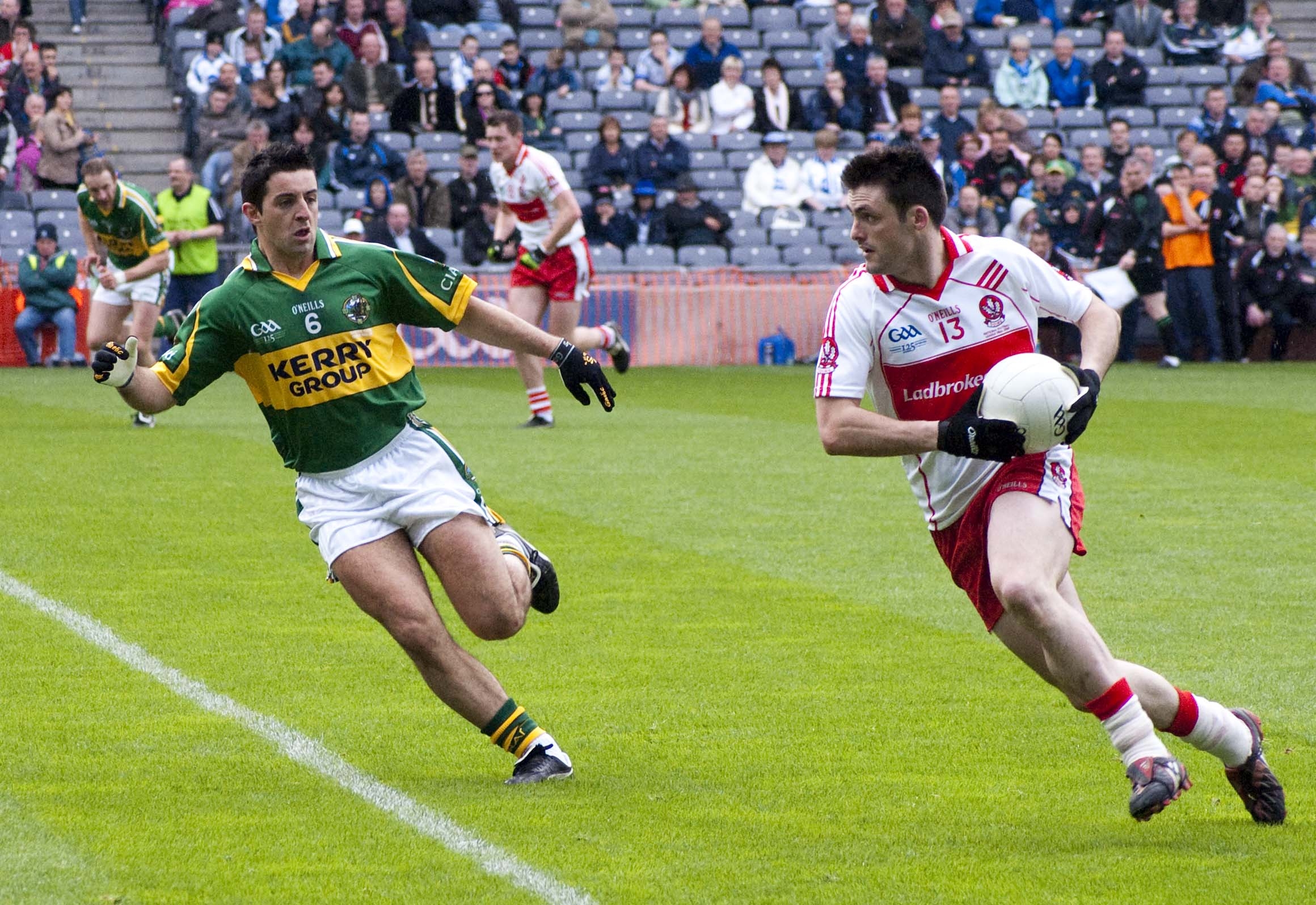
Traditional Gaelic sports, such as hurling and Gaelic football, also contribute to the cultural tapestry, fostering community cohesion and pride through athletic competition and celebration of indigenous heritage. These sports serve as living embodiments of Gaelic values of resilience, teamwork, and passion for the land.
Preserving Heritage for Future Generations
In an era of globalization and rapid cultural change, the preservation of Gaelic represents a dynamic challenge and opportunity for Ireland. Efforts to promote language immersion programs, cultural festivals, and digital media in Gaelic aim to engage younger generations and instill a sense of pride in their linguistic and cultural heritage.
The role of Gaelic in shaping Ireland's future extends beyond linguistic boundaries, embodying the spirit of resilience and cultural continuity that defines the Irish experience. As Ireland navigates its path in the 21st century, Gaelic stands as a testament to the enduring power of language to unite, inspire, and preserve the essence of a nation's identity.
Conclusion
Gaelic is more than just a language; it is a living testament to Ireland's rich history, cultural diversity, and enduring spirit. From its ancient roots to its modern-day resurgence, Gaelic embodies the resilience and tenacity of a people determined to preserve their heritage in a rapidly changing world.
As Ireland continues to celebrate its linguistic and cultural diversity, Gaelic remains a cornerstone of national pride and identity. Its significance transcends borders, resonating with communities worldwide who cherish the beauty and vitality of indigenous languages and traditions.
In essence, Gaelic invites us to embrace the past while forging a path toward a future where cultural heritage and linguistic diversity thrive. It stands as a beacon of inspiration for those who seek to preserve, honor, and celebrate the unique tapestry of human experience woven through the language and culture of Ireland.


 English
 Russian
 French
 Spanish
 Portuguese
 Deutsch
 Turkish
 Dutch
Dutch
 Arabic
 Romaian
 Portuguese (Brazil)
 Greek
Greek