
Footbag: The Artistry and Athleticism of Hacky Sack
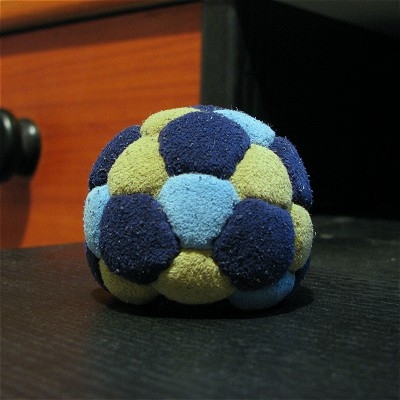
Footbag: The Artistry and Athleticism of Hacky Sack
In the realm of alternative sports that blend skill, creativity, and agility, Footbag, commonly known as Hacky Sack, stands out as a versatile and captivating pastime. Originating from the grassroots movements of the 1970s, Footbag has evolved into a global phenomenon that celebrates both individual mastery and communal enjoyment.
Origins and Evolution
The roots of Footbag can be traced back to the countercultural era of the 1970s in the United States. Inspired by traditional indigenous games and the desire to create a non-competitive physical activity, enthusiasts began kicking small, bean-filled bags to each other in parks and on college campuses.
The term "Hacky Sack" was trademarked in 1974 by John Stalberger and Mike Marshall, who developed a commercial version of the footbag. From there, the sport gained popularity among youth and college students, fostering a vibrant subculture centered around skill development, freestyle expression, and community bonding.
The Game and Its Variants
Footbag is played individually or in groups, with participants using their feet (and occasionally other body parts) to keep a small, round bag airborne for as long as possible. The objective is to maintain a continuous sequence of kicks without allowing the bag to touch the ground.
Various styles of play have emerged within the Footbag community:
-
Freestyle: Focuses on creative and artistic expression through a combination of kicks, stalls (pausing the bag on different body parts), and tricks. Freestyle Footbag competitions highlight technical proficiency and choreographed routines set to music.
-
Net Footbag: Played over a net similar to volleyball or badminton, this competitive format emphasizes speed, accuracy, and strategy. Players aim to outmaneuver opponents by sending the footbag over the net using precise kicks and controlled passes.
-
Circle Footbag: Played in a circle of participants, where players pass the footbag to each other using only kicks. The challenge lies in maintaining the rhythm and adapting to varying speeds and angles of passes.
Each variant of Footbag requires a unique set of skills, including coordination, timing, balance, and spatial awareness. Participants often develop specialized techniques and tricks to enhance their gameplay and impress fellow enthusiasts.
Community and Culture
What distinguishes Footbag from traditional sports is its inclusive and community-driven nature. Enthusiasts of all ages and backgrounds come together at local parks, festivals, and dedicated events to share tips, showcase their skills, and celebrate the joy of play.
The Footbag community values creativity and sportsmanship, encouraging newcomers to learn from experienced players while fostering an atmosphere of camaraderie and mutual support. Freestyle competitions, in particular, highlight the artistic potential of Footbag, blending athleticism with dance-like movements and intricate footwork.
Global Reach and Recognition
Footbag's appeal extends beyond North America to Europe, Asia, Australia, and beyond, with dedicated clubs and organizations promoting the sport's growth and development. International tournaments, such as the World Footbag Championships, attract top athletes from around the globe to compete in freestyle, net, and circle events.
In recent years, social media platforms have further amplified Footbag's visibility, allowing enthusiasts to share videos of their routines, tutorials, and community gatherings. This digital presence has contributed to the sport's resurgence among younger generations and its integration into broader youth culture.
Conclusion
Footbag, or Hacky Sack, embodies the essence of playfulness, skill, and community spirit. From its humble origins as a casual recreational activity to its status as a recognized sport with competitive disciplines, Footbag continues to captivate and inspire a diverse global audience.
As enthusiasts innovate and push the boundaries of what is possible with a small bean bag, Footbag remains a testament to the enduring appeal of simple yet challenging physical activities. Whether played for fun in a park or on a competitive stage, Footbag invites all to embrace creativity, athleticism, and the joy of movement.
In essence, Footbag represents more than just a game—it is a vibrant expression of human ingenuity and connection, fostering friendships and memories that endure both on and off the playing field.
- Arts
- Business
- Computers
- Jeux
- Health
- Domicile
- Kids and Teens
- Argent
- News
- Personal Development
- Recreation
- Regional
- Reference
- Science
- Shopping
- Society
- Sports
- Бизнес
- Деньги
- Дом
- Досуг
- Здоровье
- Игры
- Искусство
- Источники информации
- Компьютеры
- Личное развитие
- Наука
- Новости и СМИ
- Общество
- Покупки
- Спорт
- Страны и регионы
- World

 English
 Russian
 Spanish
 Portuguese
 Deutsch
 Turkish
 Dutch
Dutch
 Italiano
 Arabic
 Romaian
 Portuguese (Brazil)
 Greek
Greek