
Martial Arts: The Ancient Discipline That Transcends Time
Martial Arts: The Ancient Discipline That Transcends Time
Martial arts, a term that conjures images of disciplined warriors honing their skills through rigorous training, encompasses a diverse array of combat practices originating from cultures across the globe. Beyond the physical techniques, martial arts embodies a philosophy that fosters mental fortitude, respect, and self-improvement. Let's delve into the rich tapestry of martial arts, exploring its history, diversity, and enduring appeal.
Origins and Evolution
The origins of martial arts are deeply rooted in ancient civilizations where combat skills were essential for survival and protection. From the battlefield techniques of ancient China, Japan, and Korea to the grappling arts of ancient Greece and Rome, each culture developed its own martial traditions shaped by its unique circumstances and philosophies.
Over centuries, these practices evolved from purely practical combat techniques to encompass broader principles of self-discipline, respect, and spiritual growth. Philosophical influences from Confucianism, Taoism, Zen Buddhism, and others infused martial arts with ethical codes that emphasize humility, perseverance, and harmony.
Diversity of Martial Arts
Today, martial arts comprise a vast spectrum of styles, each with its distinctive techniques and philosophies. Here are a few prominent examples:
-
Karate: Originating from Okinawa, Japan, karate emphasizes striking techniques using punches, kicks, knee strikes, and elbow strikes.
-
Kung Fu: A diverse range of Chinese martial arts, Kung Fu includes both external styles focusing on physical strength and speed, and internal styles emphasizing breathing, meditation, and the flow of energy (qi).
-
Taekwondo: Developed in Korea, Taekwondo is known for its dynamic kicking techniques and emphasis on fast, powerful movements.
-
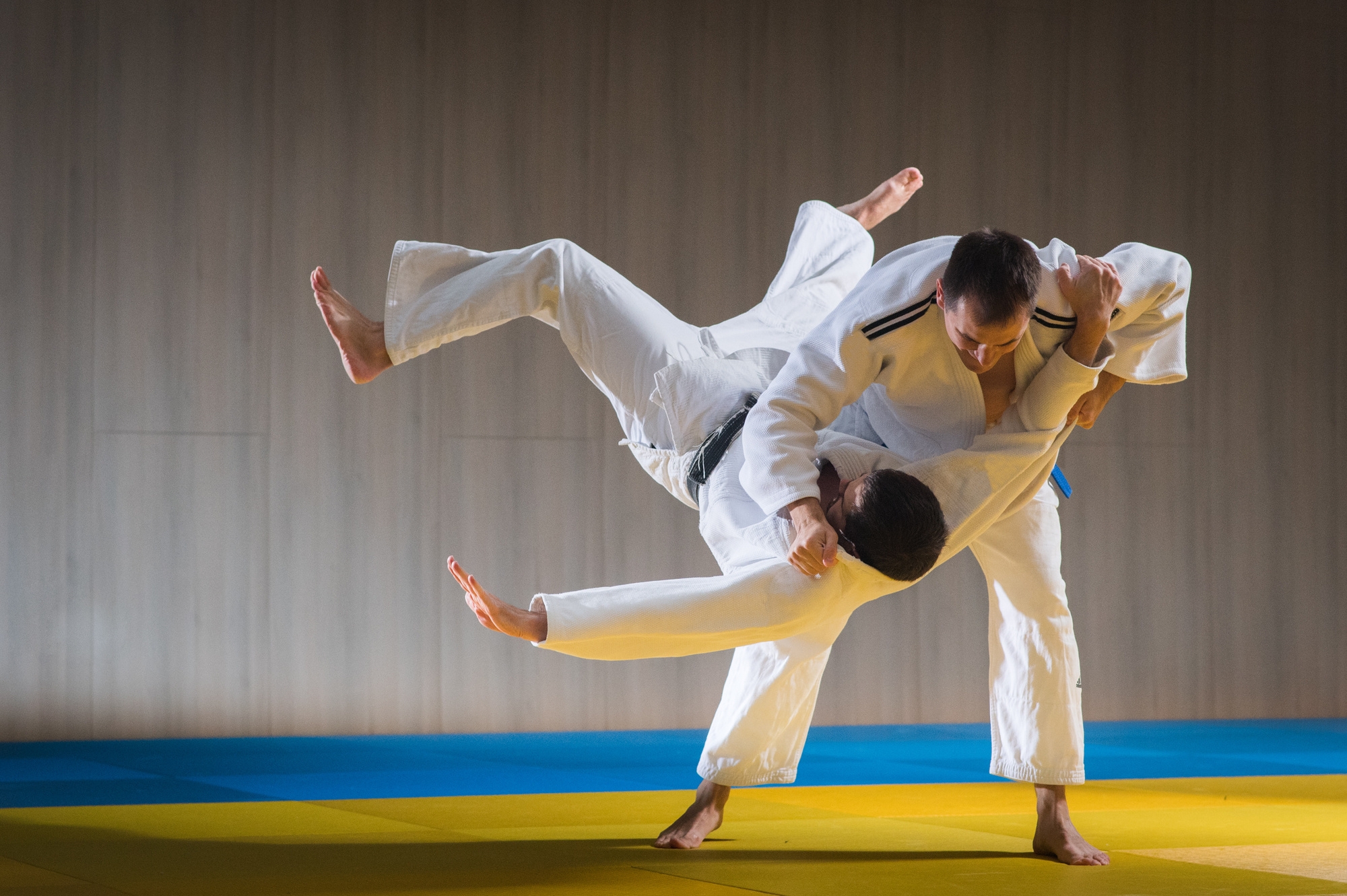
Judo: Founded in Japan, Judo focuses on throws and grappling techniques with an emphasis on using an opponent's strength and momentum against them.
-
Brazilian Jiu-Jitsu: Derived from Japanese Jiu-Jitsu, Brazilian Jiu-Jitsu (BJJ) focuses on ground fighting and submission techniques, emphasizing leverage and technique over brute strength.
-
Muay Thai: Originating from Thailand, Muay Thai is known as the "art of eight limbs" due to its use of punches, kicks, elbows, and knee strikes.
The Path of Mastery
At the heart of martial arts lies the journey of self-discovery and personal growth. Practitioners, known as martial artists or martial warriors, commit themselves not only to physical training but also to cultivating virtues such as discipline, respect, and humility.
Training typically involves repetitive drills to perfect techniques, sparring to test skills under simulated combat conditions, and forms (kata or poomsae) to internalize movements and strategies. Beyond physical prowess, martial artists strive to develop mental resilience, emotional control, and a deep understanding of their art's principles.
Benefits Beyond Combat
While martial arts are synonymous with combat skills, their benefits extend far beyond self-defense:
-
Physical Fitness: Martial arts training improves cardiovascular health, flexibility, strength, and coordination.
-
Mental Discipline: Practitioners learn focus, perseverance, and the ability to remain calm under pressure.
-
Self-Defense Skills: Martial arts equip individuals with the ability to protect themselves and others if necessary.
-
Personal Development: Many practitioners find that martial arts training enhances their confidence, self-esteem, and overall well-being.
Martial Arts in Modern Times
In today's world, martial arts continue to thrive as both a sport and a form of personal development. Competitive arenas showcase elite athletes demonstrating their skills in events such as the Olympics (Judo, Taekwondo) and mixed martial arts (MMA) competitions.
Moreover, martial arts schools (dojos, academies, gyms) worldwide welcome students of all ages and backgrounds seeking physical fitness, self-discipline, and a sense of community. The inclusive nature of martial arts fosters friendships and mutual respect among practitioners, transcending cultural and linguistic barriers.
Conclusion
Martial arts, with its deep historical roots and rich philosophical underpinnings, remains a powerful vehicle for physical, mental, and spiritual growth. Whether pursued for self-defense, fitness, or personal development, martial arts offer a path to mastery that extends beyond the confines of the dojo. By embracing its principles of discipline, respect, and continuous improvement, practitioners not only enhance their combat skills but also enrich their lives in profound ways.
In essence, martial arts exemplify the timeless pursuit of excellence through dedicated practice and unwavering commitment to self-improvement—a pursuit as relevant today as it was in ancient times.
- Arts
- Business
- Computers
- Spellen
- Health
- Home
- Kids and Teens
- Money
- News
- Personal Development
- Recreation
- Regional
- Reference
- Science
- Shopping
- Society
- Sports
- Бизнес
- Деньги
- Дом
- Досуг
- Здоровье
- Игры
- Искусство
- Источники информации
- Компьютеры
- Личное развитие
- Наука
- Новости и СМИ
- Общество
- Покупки
- Спорт
- Страны и регионы
- World

 English
 Russian
 French
 Spanish
 Portuguese
 Deutsch
 Turkish
 Italiano
 Arabic
 Romaian
 Portuguese (Brazil)
 Greek
Greek