
Evolution and Importance of Graphic Design
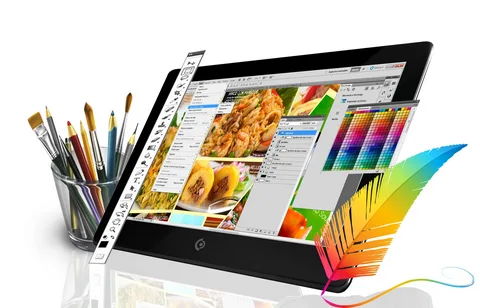
Graphic design is an ever-evolving field that combines art and technology to communicate ideas visually. From its early beginnings in the 15th century with the invention of the printing press to today’s digital landscapes, graphic design has played a crucial role in shaping culture, marketing, and communication.
A Brief History of Graphic Design
Origins
The roots of graphic design can be traced back to ancient civilizations, where symbols and illustrations were used in manuscripts and monuments. However, it wasn't until the advent of the printing press in the 15th century that graphic design began to emerge as a distinct profession. The ability to mass-produce texts and images allowed for the democratization of information, paving the way for graphic designers to craft engaging visual content.
The 20th Century: A New Era
The 20th century saw the rise of modern graphic design. Movements like Bauhaus and Constructivism emphasized functionality and minimalism, focusing on the idea that design should serve a purpose. Graphic design began to integrate typography, photography, and illustration in innovative ways, leading to iconic advertising campaigns and brand identities.
Digital Revolution
With the arrival of computers in the late 20th century, graphic design underwent another transformation. Software like Adobe Photoshop and Illustrator enabled designers to experiment with new techniques and styles. The internet revolutionized how designs were shared and consumed, introducing new mediums such as websites and social media.
Key Principles of Graphic Design
-
Balance: Achieving a visual equilibrium in a design. Balance can be symmetrical or asymmetrical and is crucial for creating aesthetically pleasing compositions.
-
Contrast: Utilizing opposing elements to highlight differences. This can involve color, size, shape, and texture, making certain elements stand out.
-
Hierarchy: Organizing information to guide the viewer’s eye. Designers use size, color, and placement to indicate the importance of different elements.
-
Alignment: Ensuring that every element in a design is visually connected. Proper alignment helps create a cohesive look.
-
Repetition: Repeating certain elements throughout a design to create consistency and unity. This can involve colors, shapes, or fonts.
The Role of Graphic Design Today
Branding and Marketing
In today’s competitive market, strong branding is essential for businesses. Graphic design helps create brand identities that resonate with target audiences. Logos, packaging, and promotional materials are all designed to convey a brand’s message and values visually.
User Experience (UX) Design
Graphic design is integral to UX design, which focuses on enhancing user satisfaction. Effective UX design combines usability with visual aesthetics, ensuring that users not only find a product functional but also visually appealing.
Social Impact
Graphic design is also a powerful tool for social change. From awareness campaigns to fundraising initiatives, designers create visuals that inspire action and communicate important messages. Infographics, posters, and social media graphics can effectively reach and mobilize audiences around social issues.
The Future of Graphic Design
As technology continues to advance, the future of graphic design looks promising. Emerging trends such as augmented reality (AR), virtual reality (VR), and artificial intelligence (AI) are expanding the possibilities for designers. These technologies allow for more interactive and immersive experiences, pushing the boundaries of how graphic design can be utilized.
Moreover, sustainability is becoming increasingly important in the design community. Designers are exploring eco-friendly practices and materials, striving to reduce their environmental impact while still delivering compelling visuals.
Conclusion
Graphic design is more than just aesthetics; it’s a vital communication tool that shapes how we perceive and interact with the world. As the field continues to evolve, graphic designers must adapt to new technologies and societal needs, ensuring that their work remains relevant and impactful. Whether through branding, UX design, or social initiatives, graphic design will undoubtedly continue to play a crucial role in our lives for years to come.
- Arts
- Business
- Computers
- Games
- Health
- Home
- Kids and Teens
- Money
- News
- Personal Development
- Recreation
- Regional
- Reference
- Science
- Shopping
- Society
- Sports
- Бизнес
- Деньги
- Дом
- Досуг
- Здоровье
- Игры
- Искусство
- Источники информации
- Компьютеры
- Личное развитие
- Наука
- Новости и СМИ
- Общество
- Покупки
- Спорт
- Страны и регионы
- World

 Russian
 French
 Spanish
 Portuguese
 Deutsch
 Turkish
 Dutch
Dutch
 Italiano
 Arabic
 Romaian
 Portuguese (Brazil)
 Greek
Greek