
Addiction: Causes, Effects, and Pathways to Recovery
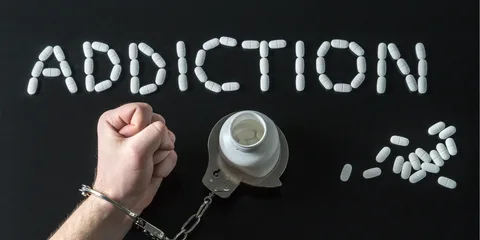
Addiction is a complex, multifaceted condition characterized by compulsive engagement in rewarding stimuli, despite adverse consequences. While often associated with substances like alcohol, drugs, and nicotine, addiction can also manifest in behaviors such as gambling, shopping, or internet use. Understanding addiction is crucial for developing effective prevention and treatment strategies. This article explores the nature of addiction, its causes and effects, and pathways to recovery.
What is Addiction?
At its core, addiction involves a profound craving for a substance or behavior, leading to an inability to control its use. This condition can have severe implications for an individual’s physical health, mental well-being, and social relationships. The American Psychiatric Association classifies addiction as a substance use disorder, which can range from mild to severe.
Causes of Addiction
Addiction is influenced by a combination of genetic, environmental, and psychological factors:
-
Genetics: Research suggests that genetics can account for 40-60% of a person’s vulnerability to addiction. Family history plays a significant role in determining susceptibility.
-
Environmental Factors: A person’s environment—including exposure to drugs, family dynamics, socioeconomic status, and peer influences—can significantly impact the likelihood of developing an addiction.
-
Mental Health: Co-occurring mental health disorders, such as depression, anxiety, or PTSD, can increase the risk of addiction as individuals may use substances or behaviors as a coping mechanism.
-
Developmental Factors: Adolescents and young adults are particularly vulnerable to addiction due to ongoing brain development, which affects impulse control and decision-making.
Effects of Addiction
The impact of addiction extends beyond the individual, affecting families, communities, and society as a whole:
-
Physical Health: Substance abuse can lead to a range of health issues, including heart disease, liver damage, respiratory problems, and infectious diseases.
-
Mental Health: Addiction often coexists with mental health disorders, exacerbating conditions like depression and anxiety. It can also lead to cognitive impairments and increased risk of suicide.
-
Social Consequences: Relationships with family, friends, and colleagues can suffer due to addiction. Social isolation, legal issues, and financial problems are common repercussions.
-
Economic Impact: Addiction can strain healthcare systems and contribute to lost productivity, leading to significant economic costs for individuals and society.
Pathways to Recovery
Recovery from addiction is a lifelong journey that can take many forms. Successful recovery often involves a combination of approaches:
-
Professional Treatment: Evidence-based therapies, such as cognitive-behavioral therapy (CBT) and motivational interviewing, can help individuals understand their addiction and develop coping strategies.
-
Support Groups: Organizations like Alcoholics Anonymous (AA) and Narcotics Anonymous (NA) provide a supportive community for individuals seeking recovery. Peer support can be invaluable in maintaining sobriety.
-
Lifestyle Changes: Healthy habits, such as regular exercise, a balanced diet, and mindfulness practices, can enhance overall well-being and support recovery.
-
Medication-Assisted Treatment: For some substance use disorders, medications may be prescribed to reduce cravings and withdrawal symptoms, aiding the recovery process.
-
Aftercare and Relapse Prevention: Continuing support and follow-up care are essential to prevent relapse. Developing a robust aftercare plan can help individuals stay on track.
Conclusion
Addiction is a complex and pervasive issue that affects individuals and communities worldwide. Understanding its causes, effects, and pathways to recovery is essential for fostering compassion and creating effective support systems. Recovery is possible, and with the right resources and support, individuals can reclaim their lives and build a healthier, more fulfilling future. By raising awareness and promoting understanding, we can work together to combat the stigma surrounding addiction and support those on their journey to recovery.
- Arts
- Business
- Computers
- Jeux
- Health
- Domicile
- Kids and Teens
- Argent
- News
- Personal Development
- Recreation
- Regional
- Reference
- Science
- Shopping
- Society
- Sports
- Бизнес
- Деньги
- Дом
- Досуг
- Здоровье
- Игры
- Искусство
- Источники информации
- Компьютеры
- Личное развитие
- Наука
- Новости и СМИ
- Общество
- Покупки
- Спорт
- Страны и регионы
- World

 English
 Russian
 Spanish
 Portuguese
 Deutsch
 Turkish
 Dutch
Dutch
 Italiano
 Arabic
 Romaian
 Portuguese (Brazil)
 Greek
Greek
