
What Are Some Common Ethical Issues in Business?
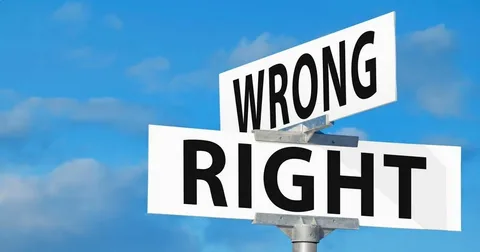
In the fast-paced world of business, ethical dilemmas often arise, challenging companies to make decisions that balance profitability with responsibility. Navigating these issues is essential not only for legal compliance but also for maintaining a good reputation, building trust with customers, and fostering a positive work environment. Let’s explore some of the most common ethical issues businesses face today.
1. Honesty and Integrity
One of the fundamental principles in business ethics is honesty and integrity. This encompasses truthfulness in advertising, transparency in financial reporting, and maintaining consistency between what a company says and does. When businesses cut corners or mislead consumers, stakeholders, or regulatory bodies, they risk legal consequences and a loss of credibility.
2. Conflicts of Interest
A conflict of interest arises when an individual’s personal interests or relationships interfere with their professional responsibilities. For instance, a business leader might prioritize a contract with a company in which they have a financial stake, rather than making decisions that are in the best interest of their employer. Such conflicts can undermine trust and lead to biased decisions that hurt the company's reputation and operations.
3. Discrimination
Discrimination in the workplace, whether based on race, gender, age, religion, or disability, remains a significant ethical issue. It violates fundamental human rights and can also violate employment laws. Ethical businesses work to create inclusive environments where all employees have equal opportunities to succeed, fostering a culture of respect and fairness.
4. Harassment
Harassment in the workplace, particularly sexual harassment, is another prevalent issue. It creates a toxic work environment, decreases productivity, and leads to legal and financial repercussions. Ensuring a safe and respectful workplace is crucial for any ethical organization, and it requires proactive training, clear policies, and swift action when issues arise.
5. Insider Trading
Insider trading involves using non-public information about a company to make investment decisions. This is not only unethical but illegal. Insider trading undermines the fairness of financial markets and creates an uneven playing field for investors. Organizations must maintain strict guidelines to prevent employees from misusing confidential information.
6. Bribery
Bribery involves offering or accepting something of value to influence business decisions. This practice is not only morally wrong but also often illegal, especially in international business dealings where anti-corruption laws are stringent. Businesses must establish clear policies to prevent bribery and create a transparent system for handling financial transactions.
7. Environmental Responsibility
Businesses today face increasing pressure to act sustainably and address the environmental impact of their operations. Whether it's reducing carbon emissions, minimizing waste, or sourcing raw materials responsibly, companies must take ethical considerations into account when making decisions that affect the planet. Ignoring environmental concerns can lead to public backlash and regulatory fines.
8. Employee Welfare
Ethical companies prioritize the well-being of their employees by offering fair wages, benefits, and a safe working environment. Failing to do so can lead to burnout, high turnover, and negative public perceptions. Ethical businesses also ensure their employees are treated with respect and have access to opportunities for growth and advancement.
9. Intellectual Property Theft
Intellectual property (IP) theft involves stealing or misusing someone else's creative work, inventions, or trademarks. In business, this can include things like copying products, software piracy, or using patented designs without permission. Protecting intellectual property is vital for fostering innovation and respecting the work of others.
10. Product Safety and Quality
Ensuring the safety and quality of products is an essential ethical issue. Businesses must make sure their products do not pose a risk to consumers. This includes adhering to safety regulations, conducting thorough testing, and being transparent when issues arise. Failing to ensure product safety can lead to harm and damage a company’s reputation.
Conclusion
Business ethics are not just a set of rules or laws to follow but are essential for creating a sustainable, trustworthy, and fair business environment. By addressing common ethical issues like honesty, conflicts of interest, discrimination, and environmental responsibility, businesses can build a reputation that fosters long-term success and positive relationships with customers, employees, and stakeholders alike.
- Arts
- Business
- Computers
- الألعاب
- Health
- الرئيسية
- Kids and Teens
- مال
- News
- Personal Development
- Recreation
- Regional
- Reference
- Science
- Shopping
- Society
- Sports
- Бизнес
- Деньги
- Дом
- Досуг
- Здоровье
- Игры
- Искусство
- Источники информации
- Компьютеры
- Личное развитие
- Наука
- Новости и СМИ
- Общество
- Покупки
- Спорт
- Страны и регионы
- World

 English
 Russian
 French
 Spanish
 Portuguese
 Deutsch
 Turkish
 Dutch
Dutch
 Italiano
 Romaian
 Portuguese (Brazil)
 Greek
Greek