
Why Is Mentoring Important? Unlocking Growth Through Meaningful Connections
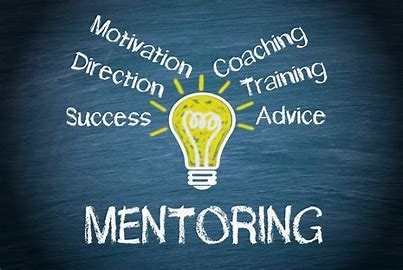
Mentoring is far more than just a professional relationship—it’s a powerful development tool that fosters growth, learning, and transformation for both the mentor and the mentee. In a world where personal and career development are more important than ever, mentoring provides a structured yet flexible path to continuous improvement.
What Is Mentoring?
At its core, mentoring is a relationship in which a more experienced individual (the mentor) shares their knowledge, skills, and insights with someone who is looking to grow (the mentee). It’s a dynamic process of guidance, feedback, and support designed to help the mentee navigate challenges, achieve goals, and unlock their full potential.
The Benefits of Mentoring
1. Knowledge Transfer
Mentoring allows for the seamless transfer of industry knowledge, organizational culture, and professional wisdom. This helps mentees avoid common pitfalls and accelerates their learning curve.
2. Skill Development
Mentees often gain both hard and soft skills through mentoring—from leadership and communication to technical expertise. Mentors, too, refine their own skills, particularly in coaching and listening.
3. Confidence Building
With encouragement and honest feedback from a trusted mentor, mentees gain the confidence to take on new challenges and grow in their roles. This self-assurance is critical for long-term career success.
4. Career Advancement
Mentoring can open doors to opportunities through networking, exposure, and advocacy. Mentees often gain visibility and access to resources that can boost their career trajectory.
5. Personal Growth
Beyond professional development, mentoring often facilitates personal growth. Mentors and mentees alike learn more about themselves—their strengths, weaknesses, and values—through open and reflective conversations.
Why Mentors Benefit Too
Mentoring isn’t a one-way street. Mentors often report personal satisfaction from giving back, as well as gaining fresh perspectives and staying connected with emerging trends and ideas. It’s also a chance to hone leadership and interpersonal skills in a meaningful context.
What Makes Mentoring Effective?
For mentoring to be successful, it must be intentional. That means:
-
Commitment from both parties to engage regularly and honestly.
-
Structure to guide conversations and track progress.
-
Openness to feedback, learning, and adapting as the relationship evolves.
The most impactful mentoring relationships are built on trust, respect, and a genuine desire to learn from each other.
- Arts
- Business
- Computers
- Spellen
- Health
- Home
- Kids and Teens
- Money
- News
- Personal Development
- Recreation
- Regional
- Reference
- Science
- Shopping
- Society
- Sports
- Бизнес
- Деньги
- Дом
- Досуг
- Здоровье
- Игры
- Искусство
- Источники информации
- Компьютеры
- Личное развитие
- Наука
- Новости и СМИ
- Общество
- Покупки
- Спорт
- Страны и регионы
- World

 English
 Russian
 French
 Spanish
 Portuguese
 Deutsch
 Turkish
 Italiano
 Arabic
 Romaian
 Portuguese (Brazil)
 Greek
Greek
