
What Are the Responsibilities of a Mentor?
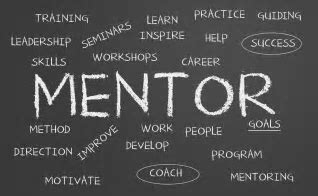
Mentorship plays a pivotal role in personal and professional development. A mentor, by definition, is someone who offers guidance, support, and knowledge to help a less experienced individual—known as a mentee—grow and succeed. However, effective mentoring requires more than just occasional advice. It involves a series of responsibilities and commitments that ensure the relationship is valuable for both parties. Below are some of the key responsibilities of a mentor:
1. Establish Clear Goals and Expectations
At the onset of a mentoring relationship, it’s crucial to define specific objectives. This helps set the tone and direction for future interactions. A mentor should work collaboratively with the mentee to identify their goals, whether it's career advancement, skill development, or personal growth. Clear expectations also minimize misunderstandings and keep both individuals accountable.
2. Maintain Regular Communication and Meetings
Consistency is essential for a successful mentorship. Scheduled check-ins and open lines of communication help build trust and keep progress on track. Regular meetings provide opportunities to discuss challenges, celebrate successes, and reassess goals as needed. A mentor’s commitment to consistent communication demonstrates respect and investment in the mentee’s development.
3. Provide Constructive Feedback and Guidance
One of the most valuable roles a mentor plays is offering honest, constructive feedback. This doesn’t mean simply pointing out areas of improvement but also recognizing strengths and accomplishments. Effective feedback should be specific, actionable, and delivered in a supportive manner. Guidance based on personal experience can help mentees navigate complex situations and avoid common pitfalls.
4. Respect Confidentiality and Boundaries
Trust is the foundation of any mentoring relationship. Mentors must respect the confidentiality of conversations and maintain professional boundaries. This creates a safe space where mentees feel comfortable sharing personal goals, struggles, and concerns. Respecting boundaries also involves recognizing the limits of one’s influence and being mindful not to overstep.
5. Encourage and Support the Mentee’s Professional Development
Mentors serve as advocates and cheerleaders. Encouraging mentees to pursue new opportunities, take risks, and expand their network is vital for their growth. Whether it's recommending resources, introducing connections, or celebrating achievements, a mentor’s support can have a lasting impact on a mentee’s confidence and career trajectory.
In conclusion, mentoring is a two-way street that requires effort, empathy, and engagement. By fulfilling these responsibilities, mentors not only contribute to the development of others but also enrich their own experience through the act of giving back.
- Arts
- Business
- Computers
- الألعاب
- Health
- الرئيسية
- Kids and Teens
- مال
- News
- Personal Development
- Recreation
- Regional
- Reference
- Science
- Shopping
- Society
- Sports
- Бизнес
- Деньги
- Дом
- Досуг
- Здоровье
- Игры
- Искусство
- Источники информации
- Компьютеры
- Личное развитие
- Наука
- Новости и СМИ
- Общество
- Покупки
- Спорт
- Страны и регионы
- World

 English
 Russian
 French
 Spanish
 Portuguese
 Deutsch
 Turkish
 Dutch
Dutch
 Italiano
 Romaian
 Portuguese (Brazil)
 Greek
Greek