
First Item on the Agenda: Is This Meeting a Waste of Time?
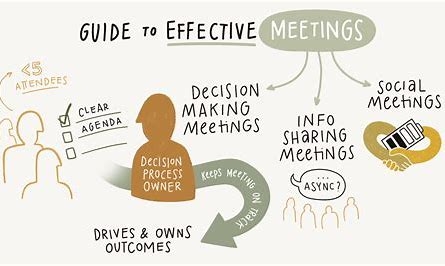
We’ve all been there: sitting in a conference room or on a video call, wondering why we’re in the meeting at all. The conversation is meandering, the objective is unclear, and you’re silently tallying up how much work you could be getting done instead.
Before diving into the next item on your agenda, it might be time to ask a more important question: Is this meeting even necessary?
Let’s break down how to assess the value of a meeting—and what to do when the answer is “no.”
1. Start With the ‘Why’
Every meeting should have a clear purpose. Are you making a decision? Solving a problem? Sharing critical information that requires discussion? If there’s no real goal beyond “we always meet at this time,” that’s a red flag.
Ask yourself and your team: What is the desired outcome of this meeting? If no one can answer confidently, consider canceling or replacing it with a quick written update.
2. Time Is Money (Literally)
Multiply the meeting length by the number of attendees and their average hourly wage. You’ll be surprised how expensive even a short meeting can be. Ask: Is this the best use of this group’s time? If not, rework the meeting to reduce time or attendees—or skip it altogether.
3. Set the Agenda Like a To-Do List
An effective agenda doesn’t just list topics; it frames them as action items or questions to answer. For example, instead of “Project Updates,” write “Decide on next steps for project X.” This keeps discussion focused and outcomes clear.
Start every meeting by reviewing the agenda. If the topics don’t require real-time collaboration, cancel the meeting or convert it to an asynchronous update.
4. Be Ruthless About Who Attends
Not everyone needs to be in every meeting. Invite only those who are essential to the decisions or discussions. Offer to share notes or recordings with others so they can stay informed without sitting through the session.
5. End With Action, Not Just Talk
The value of a meeting is measured by what happens after it ends. Did you reach decisions? Assign tasks? Set deadlines? If not, it might have been more talk than traction. Always end meetings with a summary of key takeaways and clear next steps.
6. Make It Safe to Say ‘This Is a Waste’
Foster a culture where team members can challenge whether a meeting is worthwhile. It’s not disrespectful—it’s responsible. Encourage feedback and regularly review recurring meetings to determine if they still serve a purpose.
7. When in Doubt, Cancel It
Too many meetings are held out of habit or fear of missing out. If you’re not sure a meeting is needed, try canceling it just once and observe the impact. You may find that your team appreciates the time back—and productivity increases.
Final Thought
Meetings should be tools, not traps. Asking “Is this a waste of time?” might feel uncomfortable, but it’s the first step toward a leaner, more focused, and more effective work culture.
Before you add another meeting to the calendar, make sure it earns its spot—starting with that very first agenda item.
- Arts
- Business
- Computers
- Jeux
- Health
- Domicile
- Kids and Teens
- Argent
- News
- Personal Development
- Recreation
- Regional
- Reference
- Science
- Shopping
- Society
- Sports
- Бизнес
- Деньги
- Дом
- Досуг
- Здоровье
- Игры
- Искусство
- Источники информации
- Компьютеры
- Личное развитие
- Наука
- Новости и СМИ
- Общество
- Покупки
- Спорт
- Страны и регионы
- World

 English
 Russian
 Spanish
 Portuguese
 Deutsch
 Turkish
 Dutch
Dutch
 Italiano
 Arabic
 Romaian
 Portuguese (Brazil)
 Greek
Greek
