
7 Common Conflict Styles That Show Up in Relationships, According to Experts
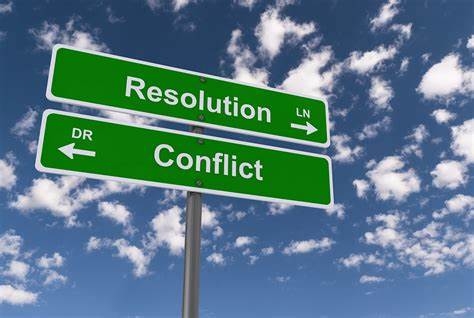
Conflict is a natural part of any relationship, whether romantic, familial, or professional. While disagreement is inevitable, how partners navigate conflict often determines the health and longevity of the relationship. According to psychologists and relationship experts, most people tend to default to specific conflict styles—patterns of behavior and communication used during disagreements.
Understanding these conflict styles can help individuals recognize unproductive patterns and develop healthier ways to manage tension. Here are seven common conflict styles that frequently appear in relationships, along with expert insight into each.
1. Avoiding
Avoiders prefer not to engage in conflict at all. They may downplay issues, change the subject, or physically remove themselves from tense situations. While this can maintain short-term peace, it often leads to unresolved issues that resurface later.
Expert insight: Dr. John Gottman, a leading relationship researcher, warns that stonewalling (a form of avoidance) can signal serious problems if it becomes a habitual response to conflict.
2. Accommodating
People who accommodate often put their partner’s needs before their own, sometimes at the expense of their own well-being. While this style can reflect empathy and selflessness, overuse may lead to resentment and imbalance in the relationship.
Expert insight: Licensed therapist Nedra Glover Tawwab notes that chronic accommodation can stem from a fear of rejection or low self-worth.
3. Competing
This style involves trying to “win” the argument at all costs. It’s assertive but not cooperative, and often escalates tension. Those who compete in conflict tend to prioritize being right over being relational.
Expert insight: According to conflict resolution expert Dr. Thomas Killmann, this style is appropriate only in urgent situations where quick, decisive action is needed.
4. Compromising
Compromisers aim to find a middle ground, with both partners giving up something to reach a solution. While this can seem fair, it sometimes leads to both parties feeling only partially satisfied.
Expert insight: Psychologist Dr. Harriet Lerner emphasizes that compromise should not mean sacrificing core needs or values.
5. Collaborating
This is considered the healthiest and most constructive style. Collaborators work together to find a win-win solution that satisfies both parties. It involves open communication, empathy, and a willingness to understand.
Expert insight: Relationship coach Esther Perel encourages couples to adopt a collaborative mindset to deepen intimacy and build trust during conflict.
6. Passive-Aggressive
Rather than addressing issues directly, passive-aggressive individuals express dissatisfaction through sarcasm, procrastination, or subtle sabotage. This indirect communication style often confuses partners and creates ongoing tension.
Expert insight: Therapist Terri Cole points out that passive-aggression often stems from unexpressed anger or a lack of healthy communication skills.
7. Explosive
Some people handle conflict through intense emotional outbursts, yelling, or even threats. This volatile style can be frightening and emotionally damaging to the other partner, often causing long-term harm.
Expert insight: Experts agree that this style may indicate deeper emotional regulation issues and often requires professional intervention to change.
Final Thoughts
Recognizing your conflict style—and that of your partner—can be the first step in improving how you navigate disagreements. While it’s natural to fall into familiar patterns, adopting healthier strategies can lead to more meaningful communication and stronger, more resilient relationships.
- Arts
- Business
- Computers
- Jeux
- Health
- Domicile
- Kids and Teens
- Argent
- News
- Personal Development
- Recreation
- Regional
- Reference
- Science
- Shopping
- Society
- Sports
- Бизнес
- Деньги
- Дом
- Досуг
- Здоровье
- Игры
- Искусство
- Источники информации
- Компьютеры
- Личное развитие
- Наука
- Новости и СМИ
- Общество
- Покупки
- Спорт
- Страны и регионы
- World

 English
 Russian
 Spanish
 Portuguese
 Deutsch
 Turkish
 Dutch
Dutch
 Italiano
 Arabic
 Romaian
 Portuguese (Brazil)
 Greek
Greek
