
Can a Mentor Also Coach? Yes—Here’s How They Often Do Both
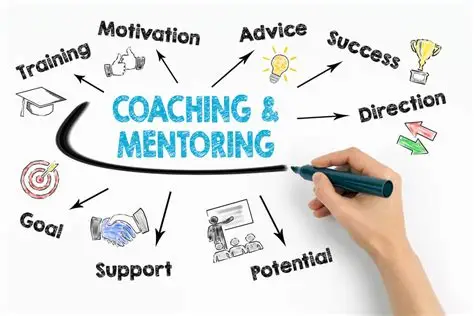
When it comes to personal or professional growth, the terms "mentor" and "coach" often surface—but are they the same? Not quite. While each plays a distinct role, there is a significant overlap. The question arises: Can a mentor also coach? The answer is yes, and in fact, many effective mentors naturally incorporate coaching techniques into their mentorship style.
Understanding the Difference
A mentor typically shares their own experiences, lessons, and industry insights. They act as a trusted advisor who’s “been there, done that.” In contrast, a coach focuses more on asking powerful questions, challenging assumptions, and helping the individual arrive at their own conclusions without necessarily giving direct advice.
Where Mentoring and Coaching Meet
Although their roles differ, mentors often wear a coaching hat—especially when they aim to empower rather than instruct. Instead of telling their mentees exactly what to do, many mentors guide the thinking process. They ask open-ended questions like:
-
“What options do you see?”
-
“How might you approach this differently?”
-
“What’s your end goal here?”
This coaching approach encourages reflection, promotes autonomy, and helps mentees build their own decision-making muscles.
The Benefits of Combining Both
When a mentor integrates coaching techniques into their mentoring, the relationship becomes more dynamic and developmental. Here’s why:
-
More personalized support: Coaching allows mentors to tailor advice based on how the mentee thinks and learns.
-
Stronger critical thinking: Coaching techniques cultivate independent problem-solving skills.
-
Empowerment: Mentees feel more ownership of their growth journey.
-
Sustainable learning: Instead of dependency, mentees gain tools they can use for a lifetime.
When Mentoring Alone Isn’t Enough
In some cases, a mentee may benefit more from coaching, especially if they’re not looking for specific industry insights but rather need help clarifying goals, improving performance, or navigating transitions. In these moments, even a seasoned mentor must adapt their approach to ask rather than tell.
The Bottom Line
Mentoring and coaching are not mutually exclusive. In fact, the best mentors often blend both styles, seamlessly moving between sharing hard-earned wisdom and asking thought-provoking questions. Whether formal or informal, combining mentoring with coaching creates a richer, more impactful development experience.
- Arts
- Business
- Computers
- Игры
- Health
- Главная
- Kids and Teens
- Деньги
- News
- Personal Development
- Recreation
- Regional
- Reference
- Science
- Shopping
- Society
- Sports
- Бизнес
- Деньги
- Дом
- Досуг
- Здоровье
- Игры
- Искусство
- Источники информации
- Компьютеры
- Личное развитие
- Наука
- Новости и СМИ
- Общество
- Покупки
- Спорт
- Страны и регионы
- World

 English
 French
 Spanish
 Portuguese
 Deutsch
 Turkish
 Dutch
Dutch
 Italiano
 Arabic
 Romaian
 Portuguese (Brazil)
 Greek
Greek