
Do Coaching Sessions Use Psychometric Tools?
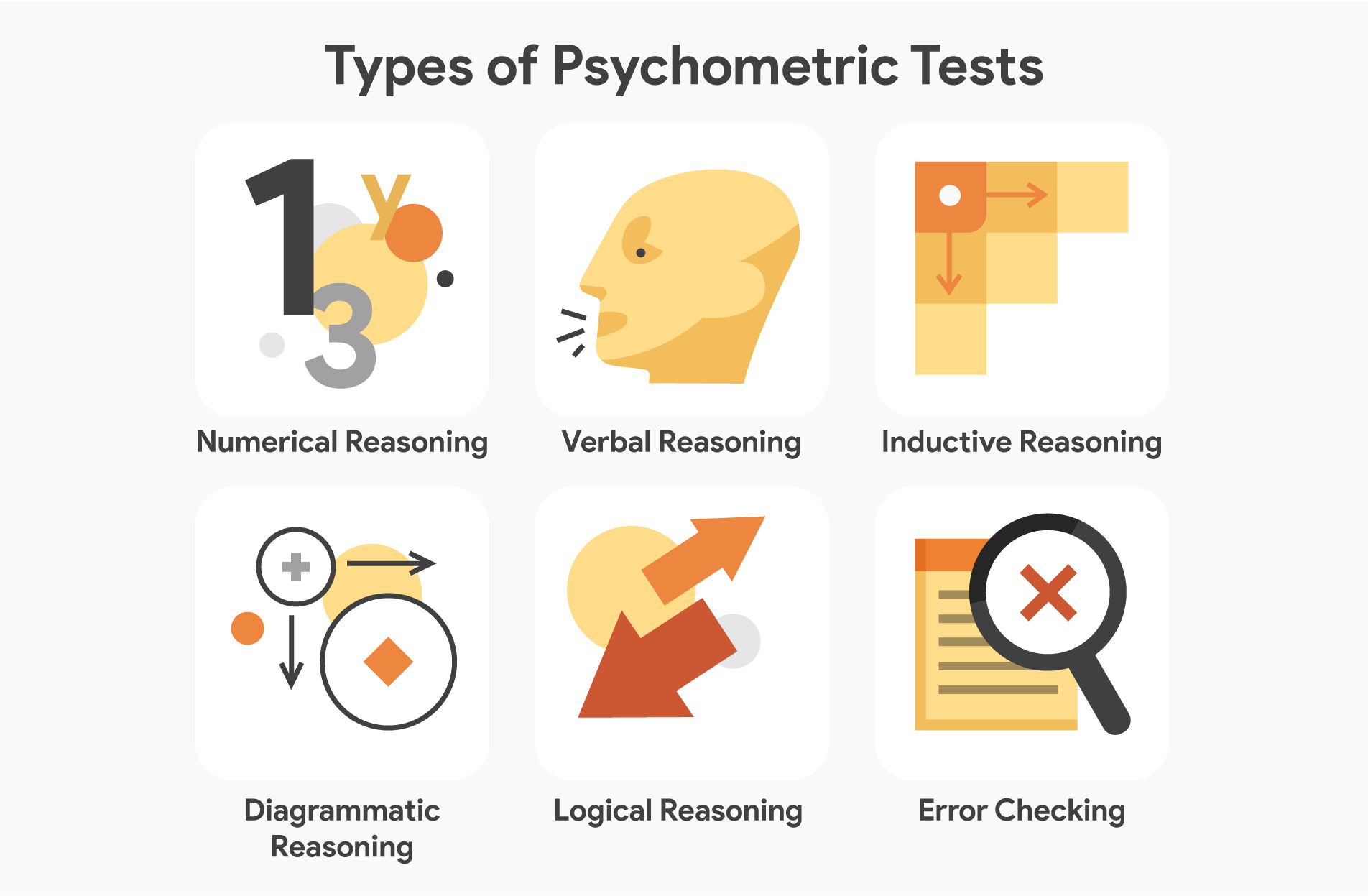
Coaching is a highly personalized and goal-driven process—and while it’s built primarily on conversation, psychometric tools can sometimes be a valuable part of the journey. These tools aren’t required, but when used thoughtfully, they can enrich the coaching experience by offering data-driven insights into personality, behavior, or leadership style.
1. What Are Psychometric Tools?
Psychometric tools are structured assessments designed to measure psychological attributes such as:
-
Personality traits
-
Emotional intelligence (EI)
-
Behavioral tendencies
-
Communication styles
-
Strengths and values
-
Leadership competencies
Examples include the MBTI, DiSC, StrengthsFinder, EQ-i, and 360° feedback instruments.
2. How Coaches Use Them
Coaches may use these tools to:
-
Initiate self-awareness early in the engagement
-
Uncover blind spots or behavioral patterns
-
Guide conversations around challenges or opportunities
-
Track development over time
-
Align coaching with organizational expectations (especially in executive or leadership coaching)
For example, a 360° feedback tool might show discrepancies between how someone sees themselves and how others perceive them—opening the door to powerful reflection and growth.
3. Are They Required for Effective Coaching?
No—psychometric tools are optional, not essential.
Many coaching engagements succeed entirely through dialogue, reflection, and action planning, without the use of formal assessments. The decision to use tools depends on:
-
The client’s preferences
-
The coaching context (e.g., leadership vs. life coaching)
-
The coach’s training and approach
-
Whether the organization sponsoring the coaching requires it
For some clients, the structure of a tool helps clarify goals or spark insights. Others may prefer a more open, exploratory approach.
4. Benefits and Cautions
Benefits of using psychometric tools:
-
Accelerates self-awareness
-
Adds objective data to subjective experiences
-
Encourages focused conversations
-
Can highlight development areas or strengths
Cautions:
-
Tools should complement, not replace, the coaching relationship
-
Over-reliance on labels can limit exploration
-
Not all tools are equally valid or relevant to every client
A skilled coach knows how—and when—to use these tools thoughtfully.
Conclusion
Psychometric tools can be a valuable addition to coaching but are by no means a requirement. Their purpose is to enhance insight and guide meaningful conversation, not to define or limit the client. The heart of coaching remains in the relationship, the questions, and the transformation that unfolds through intentional dialogue.
- Arts
- Business
- Computers
- Spellen
- Health
- Home
- Kids and Teens
- Money
- News
- Personal Development
- Recreation
- Regional
- Reference
- Science
- Shopping
- Society
- Sports
- Бизнес
- Деньги
- Дом
- Досуг
- Здоровье
- Игры
- Искусство
- Источники информации
- Компьютеры
- Личное развитие
- Наука
- Новости и СМИ
- Общество
- Покупки
- Спорт
- Страны и регионы
- World

 English
 Russian
 French
 Spanish
 Portuguese
 Deutsch
 Turkish
 Italiano
 Arabic
 Romaian
 Portuguese (Brazil)
 Greek
Greek
