
How Should I Give Feedback to Different Roles? (Boss, Peer, Direct Report)
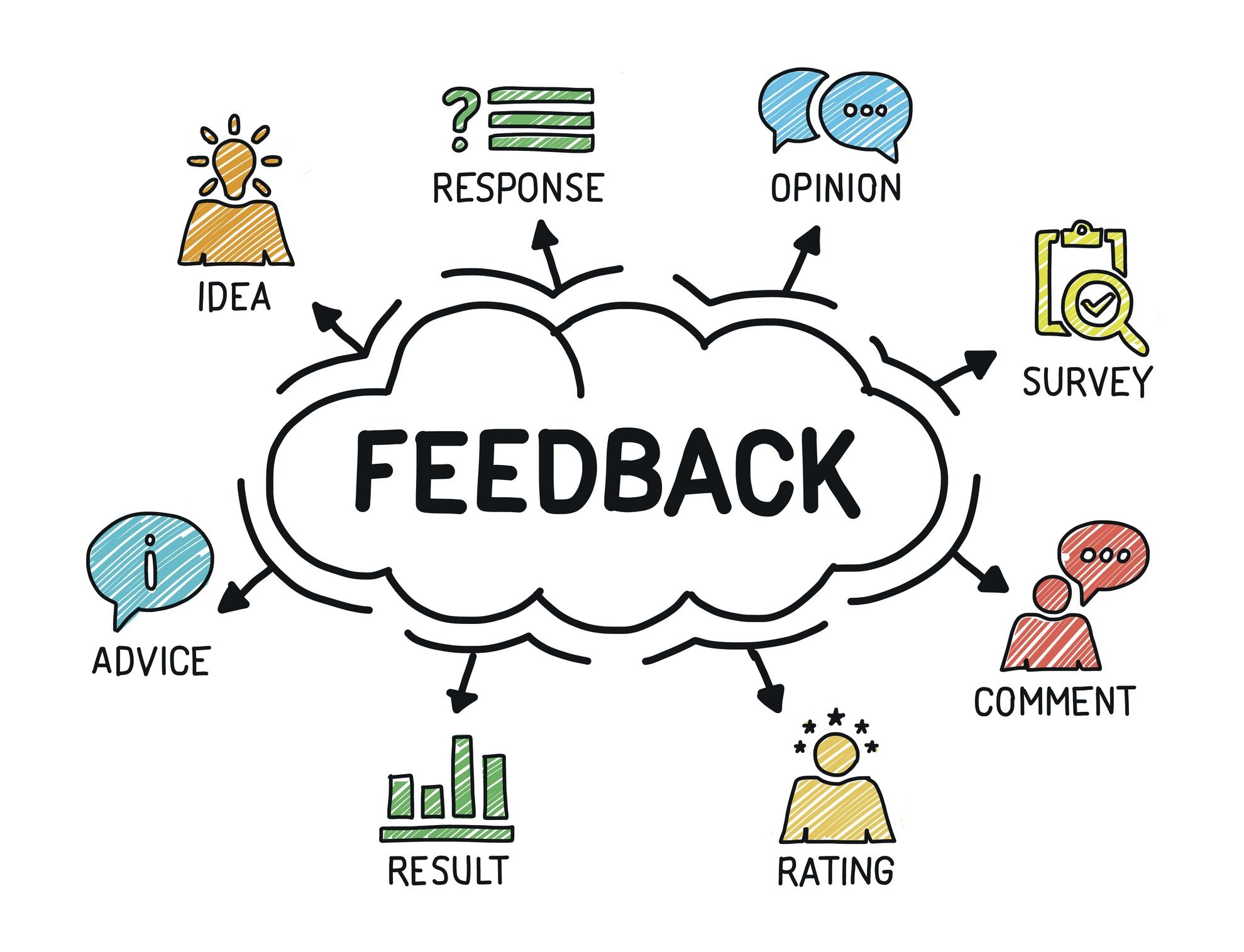
Giving feedback is essential to creating a healthy, productive work environment—but how you give it should vary depending on who you're speaking to. A one-size-fits-all approach won’t work when offering feedback to a boss, a peer, or a direct report. The key is to adjust your tone, focus, and intent based on the relationship and power dynamics involved.
1. Giving Feedback to a Boss
Giving upward feedback can feel intimidating, but it’s possible—and even appreciated—when done with tact and clarity.
Best Practices:
-
Be respectful, not deferential.
-
Frame feedback around shared goals, team impact, or process improvement.
-
Use “I” statements to express your experience:
🟢 “I’ve noticed our team sometimes feels unsure about next steps after meetings. Would it help if we clarified action items together before wrapping up?” -
Focus on the outcome, not the person.
Why it works: It suggests solutions, shows respect, and doesn’t challenge authority directly—while still being honest.
2. Giving Feedback to a Peer
Peer feedback helps build collaboration, trust, and accountability when done constructively.
Best Practices:
-
Use a conversational tone.
-
Be specific and balance positive with developmental feedback.
-
Show that your goal is to support, not critique:
🟢 “I really appreciate how you jumped in to help yesterday. One thought—maybe next time we could align earlier to avoid duplicate work?”
Why it works: It maintains equality in the relationship while promoting better teamwork.
3. Giving Feedback to a Direct Report
Feedback to direct reports should guide, develop, and motivate. It’s a key part of effective leadership.
Best Practices:
-
Be clear, direct, and supportive.
-
Separate the person from the behavior.
-
Highlight impact and suggest actionable next steps:
🟢 “You’ve done a great job managing deadlines. I’ve noticed a few recent updates lacked detail. Let’s work on making those clearer so the team can act faster.” -
Use regular feedback sessions to normalize open dialogue.
Why it works: It creates psychological safety while offering meaningful direction.
Summary Tips Across All Roles:
-
Tailor your language: Consider tone and timing based on the relationship.
-
Stay constructive: Focus on behaviors and outcomes, not traits or personality.
-
Be curious: Ask for their perspective, especially with peers and superiors.
-
Follow up: Feedback is part of a continuous conversation, not a one-time moment.
Conclusion
Giving feedback across different roles is a balancing act of empathy, strategy, and clarity. By adjusting your approach for bosses, peers, and direct reports, you build stronger relationships, improve collaboration, and contribute to a culture of trust and growth.
- Arts
- Business
- Computers
- الألعاب
- Health
- الرئيسية
- Kids and Teens
- مال
- News
- Personal Development
- Recreation
- Regional
- Reference
- Science
- Shopping
- Society
- Sports
- Бизнес
- Деньги
- Дом
- Досуг
- Здоровье
- Игры
- Искусство
- Источники информации
- Компьютеры
- Личное развитие
- Наука
- Новости и СМИ
- Общество
- Покупки
- Спорт
- Страны и регионы
- World

 English
 Russian
 French
 Spanish
 Portuguese
 Deutsch
 Turkish
 Dutch
Dutch
 Italiano
 Romaian
 Portuguese (Brazil)
 Greek
Greek
