
What Feedback Models Exist?
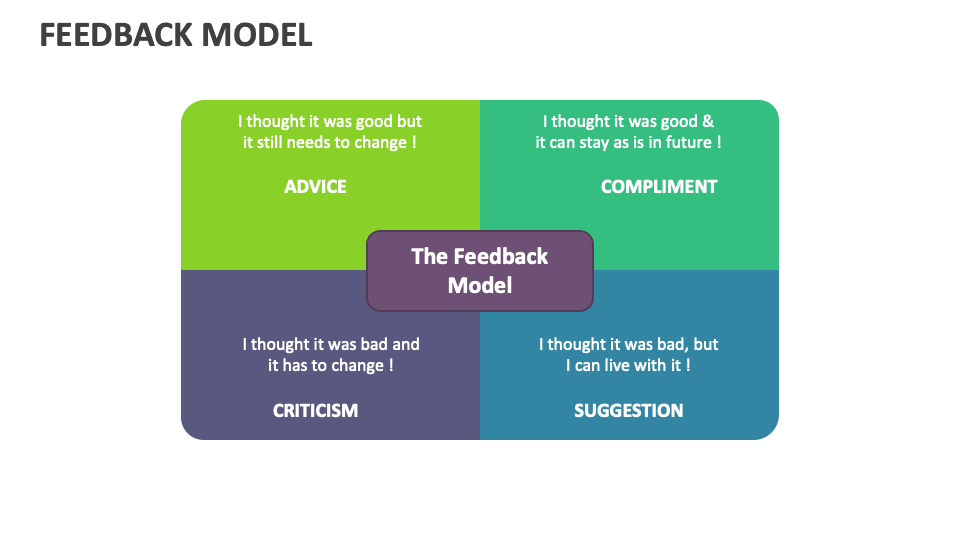
Giving effective feedback is more than a skill—it’s a practice. Structured feedback models can help leaders, managers, and peers deliver input that is clear, constructive, and actionable. These models offer consistency, reduce emotional friction, and ensure that feedback leads to real growth.
Here are some of the most widely used feedback models and how they work:
1. SBI Model (Situation–Behavior–Impact)
Developed by: Center for Creative Leadership
Purpose: To give objective, non-judgmental feedback
-
Situation: Describe when and where the behavior occurred.
-
Behavior: Describe the specific behavior without interpreting it.
-
Impact: Share how it affected you, others, or the outcome.
Example:
“In Monday’s client meeting (situation), you interrupted the client mid-sentence (behavior), which made them seem hesitant to share more (impact).”
2. COIN Model (Context–Observation–Impact–Next Steps)
Similar to SBI, but includes a future-oriented element.
-
Context: Set the scene.
-
Observation: What did you see or hear?
-
Impact: What was the result or reaction?
-
Next Steps: What do we do differently?
Example:
“In today’s stand-up (context), you skipped discussing blockers (observation), which left the team unclear on your progress (impact). Let’s make sure blockers are shared moving forward (next steps).”
3. BOOST Model (Balanced, Observed, Objective, Specific, Timely)
A checklist for high-quality feedback:
-
Balanced: Include both positives and areas for improvement.
-
Observed: Focus on what you actually saw/heard.
-
Objective: Avoid interpretation or assumption.
-
Specific: Don’t generalize—give detail.
-
Timely: Don’t wait weeks to deliver it.
This model emphasizes fairness and effectiveness.
4. Feedforward Model
Created by: Marshall Goldsmith
Focus: Future-focused, not past-critical
Instead of dissecting what went wrong, you ask:
“What can the person do differently going forward?”
Why it works: It’s motivating, non-defensive, and growth-oriented.
Example:
Instead of saying “You didn’t manage time well in that presentation,” try:
“Next time, try pacing your points more evenly. That will help you stay within time and land each idea clearly.”
5. Start–Stop–Continue Model
A simple tool often used in team retrospectives or performance reviews.
Ask:
-
What should we start doing?
-
What should we stop doing?
-
What should we continue doing?
It promotes reflection and balanced feedback in a safe, collaborative format.
6. DESC Model (Describe–Express–Specify–Consequence)
Often used in conflict or assertive communication.
-
Describe the situation.
-
Express how it makes you feel.
-
Specify what you want to happen.
-
Consequence if it continues or changes.
Example:
“When deadlines are missed (describe), I feel stressed and behind (express). I’d like reports delivered by Friday morning (specify), so we can meet our team goals (consequence).”
Conclusion
Choosing the right feedback model depends on context, relationship, and culture. Whether you're having a one-on-one with a team member or conducting a formal review, these models offer a framework to build clarity, trust, and accountability—without confusion or conflict.
- Arts
- Business
- Computers
- الألعاب
- Health
- الرئيسية
- Kids and Teens
- مال
- News
- Personal Development
- Recreation
- Regional
- Reference
- Science
- Shopping
- Society
- Sports
- Бизнес
- Деньги
- Дом
- Досуг
- Здоровье
- Игры
- Искусство
- Источники информации
- Компьютеры
- Личное развитие
- Наука
- Новости и СМИ
- Общество
- Покупки
- Спорт
- Страны и регионы
- World

 English
 Russian
 French
 Spanish
 Portuguese
 Deutsch
 Turkish
 Dutch
Dutch
 Italiano
 Romaian
 Portuguese (Brazil)
 Greek
Greek
