
What Is Conflict Resolution and Why Is It Important?
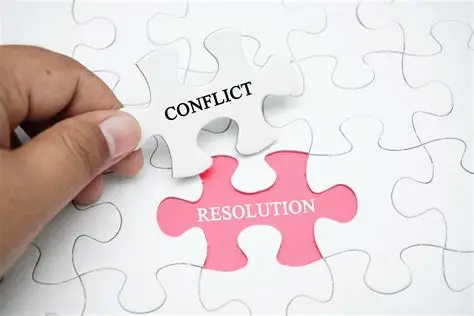
Conflict resolution refers to the methods and processes involved in facilitating the peaceful ending of a conflict or dispute. In a professional setting, conflict resolution is essential because disagreements, if left unaddressed, can escalate and negatively impact teamwork, morale, and productivity.
Understanding Conflict in the Workplace
Conflict arises when individuals or groups have opposing interests, values, or perspectives. It can be task-related (disagreements about how to do work) or interpersonal (emotional clashes between people). While conflict is often seen as negative, it can also be a source of growth and innovation when managed well.
Why Conflict Resolution Matters
-
Maintains Positive Work Relationships: Unresolved conflicts breed resentment and reduce trust, hampering collaboration.
-
Improves Team Performance: Addressing disputes helps clarify misunderstandings and align goals.
-
Fosters a Healthy Work Environment: Employees feel safer and more respected when issues are addressed fairly.
-
Reduces Stress and Turnover: Ongoing conflict increases stress and can lead to employee burnout or attrition.
-
Encourages Open Communication: Proper resolution promotes transparency and honest dialogue.
Common Types of Conflict Resolution
There are various approaches, including:
-
Negotiation: Parties communicate directly to reach a mutual agreement.
-
Mediation: A neutral third party helps facilitate resolution.
-
Arbitration: A third party makes a binding decision.
-
Collaboration: Working together to find a win-win solution.
Conflict Resolution Skills
Successful resolution requires skills such as active listening, empathy, problem-solving, and emotional regulation.
When to Address Conflict
Immediate action is usually best. Avoiding conflict allows it to fester, making future resolution harder. Even minor conflicts deserve attention before they escalate.
Conclusion
Conflict resolution is a critical management and interpersonal skill that sustains team cohesion and organizational success. It transforms potential setbacks into opportunities for understanding, growth, and stronger collaboration.
- Arts
- Business
- Computers
- Jeux
- Health
- Domicile
- Kids and Teens
- Argent
- News
- Personal Development
- Recreation
- Regional
- Reference
- Science
- Shopping
- Society
- Sports
- Бизнес
- Деньги
- Дом
- Досуг
- Здоровье
- Игры
- Искусство
- Источники информации
- Компьютеры
- Личное развитие
- Наука
- Новости и СМИ
- Общество
- Покупки
- Спорт
- Страны и регионы
- World

 English
 Russian
 Spanish
 Portuguese
 Deutsch
 Turkish
 Dutch
Dutch
 Italiano
 Arabic
 Romaian
 Portuguese (Brazil)
 Greek
Greek