
How Can Communication Style Be Adapted to Different Personalities?
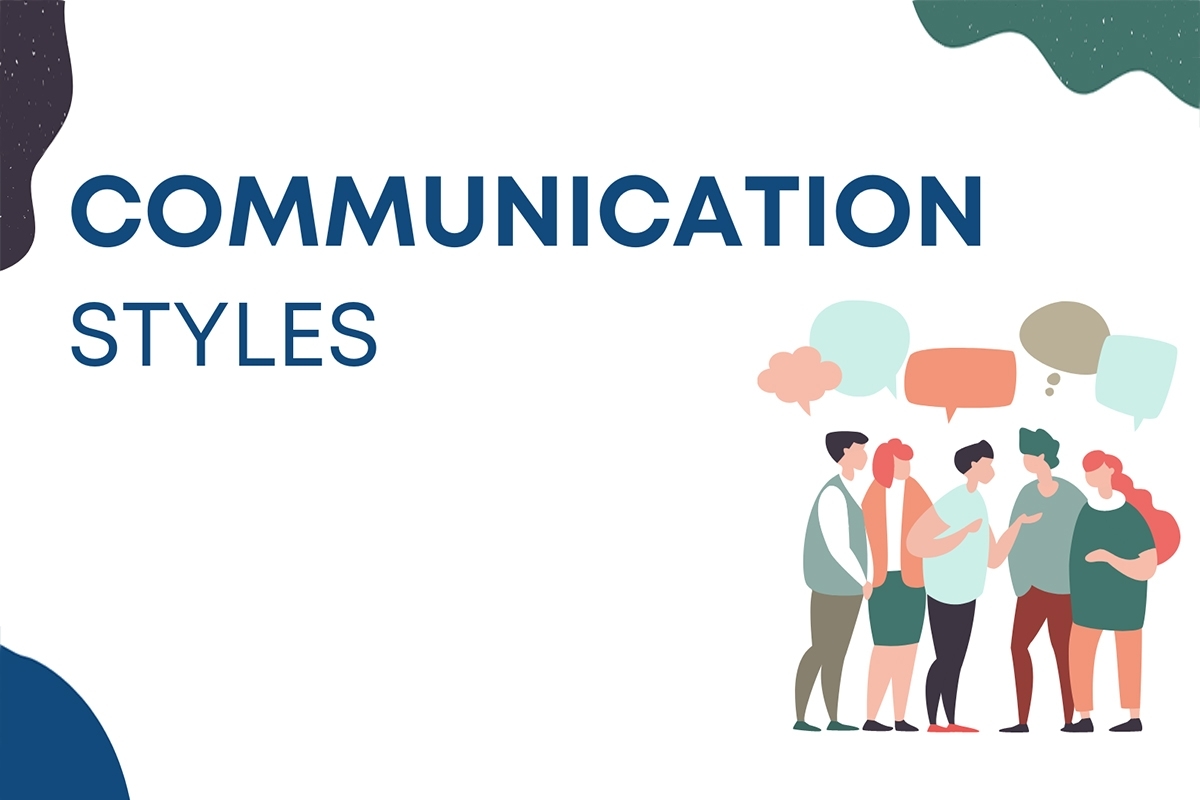
In today’s diverse and dynamic workplace, one-size-fits-all communication rarely works. People have different preferences, temperaments, and thinking styles, which means adapting your communication approach is essential for avoiding misunderstandings, preventing conflict, and fostering collaboration.
Understanding Communication Styles
Most people fall into one or more broad communication styles, such as:
-
Assertive – Clear, confident, respectful of self and others
-
Passive – Hesitant, avoids conflict, often fails to express needs
-
Aggressive – Domineering, often disrespectful or controlling
-
Passive-aggressive – Indirect, sarcastic, or withholding
-
Analytical – Logical, data-driven, precise
-
Amiable – Friendly, people-focused, harmony-seeking
-
Expressive – Energetic, enthusiastic, idea-driven
-
Driver – Goal-oriented, decisive, task-focused
Adapting to these styles doesn’t mean changing who you are—it means meeting others where they are.
Steps to Adapt Communication Effectively
-
Observe and Listen Actively
Pay attention to verbal and non-verbal cues: tone, body language, pace, and word choice. These offer insight into someone’s personality and preferences. -
Match Their Energy and Language
Mirror their communication level: Use data and detail with analytical types, stories and big ideas with expressives, or practical steps with drivers. -
Ask Clarifying Questions
When unsure of how someone prefers to communicate, ask open-ended questions:
-
“What works best for you—email or a quick call?”
-
“Would you like a high-level overview or the detailed plan?”
-
Use the Right Channel
Some prefer written communication for clarity; others prefer face-to-face or video calls for real-time interaction. -
Adapt Your Tone and Pacing
Slow down for reflective personalities and speed up for high-energy types. Be warm with amiables and direct with drivers. -
Be Mindful of Triggers
Drivers may get frustrated with indecision; amiables may shut down during confrontation. Avoid pushing buttons—communicate with sensitivity. -
Clarify Expectations
Miscommunication often stems from assumed knowledge. When working with different personalities, state expectations clearly and check for mutual understanding. -
Provide Feedback Differently
-
For expressives: Be enthusiastic and motivating.
-
For analyticals: Be detailed and objective.
-
For amiables: Be gentle and positive.
-
For drivers: Be concise and results-focused.
-
Flex Without Losing Authenticity
Adaptation isn’t manipulation. It’s a sign of empathy and professionalism. You can stay true to your values while meeting others’ communication needs. -
Practice and Reflect
Communication adaptability is a skill. Reflect after interactions: What worked? What didn’t? How could I improve?
Benefits of Adapting Communication Style
-
Reduces friction and misunderstandings
-
Builds stronger relationships
-
Enhances teamwork and productivity
-
Prevents unnecessary conflict
-
Fosters inclusion and respect
Conclusion
The best communicators are flexible. They read the room, know their audience, and tailor their message accordingly. Adapting your communication style doesn’t just help you be understood—it shows others that you value and respect their unique way of interacting with the world.
- Arts
- Business
- Computers
- Jogos
- Health
- Início
- Kids and Teens
- Money
- News
- Personal Development
- Recreation
- Regional
- Reference
- Science
- Shopping
- Society
- Sports
- Бизнес
- Деньги
- Дом
- Досуг
- Здоровье
- Игры
- Искусство
- Источники информации
- Компьютеры
- Личное развитие
- Наука
- Новости и СМИ
- Общество
- Покупки
- Спорт
- Страны и регионы
- World

 English
 Russian
 French
 Spanish
 Portuguese
 Deutsch
 Turkish
 Dutch
Dutch
 Italiano
 Arabic
 Romaian
 Greek
Greek
